The number of kids who contract a potentially deadly diarrheal disease is projected to decrease in some regions of sub-Saharan Africa while increasing in others due to climate change. However, researchers say illness from Cryptosporidium can be mitigated with improved access to clean drinking water.
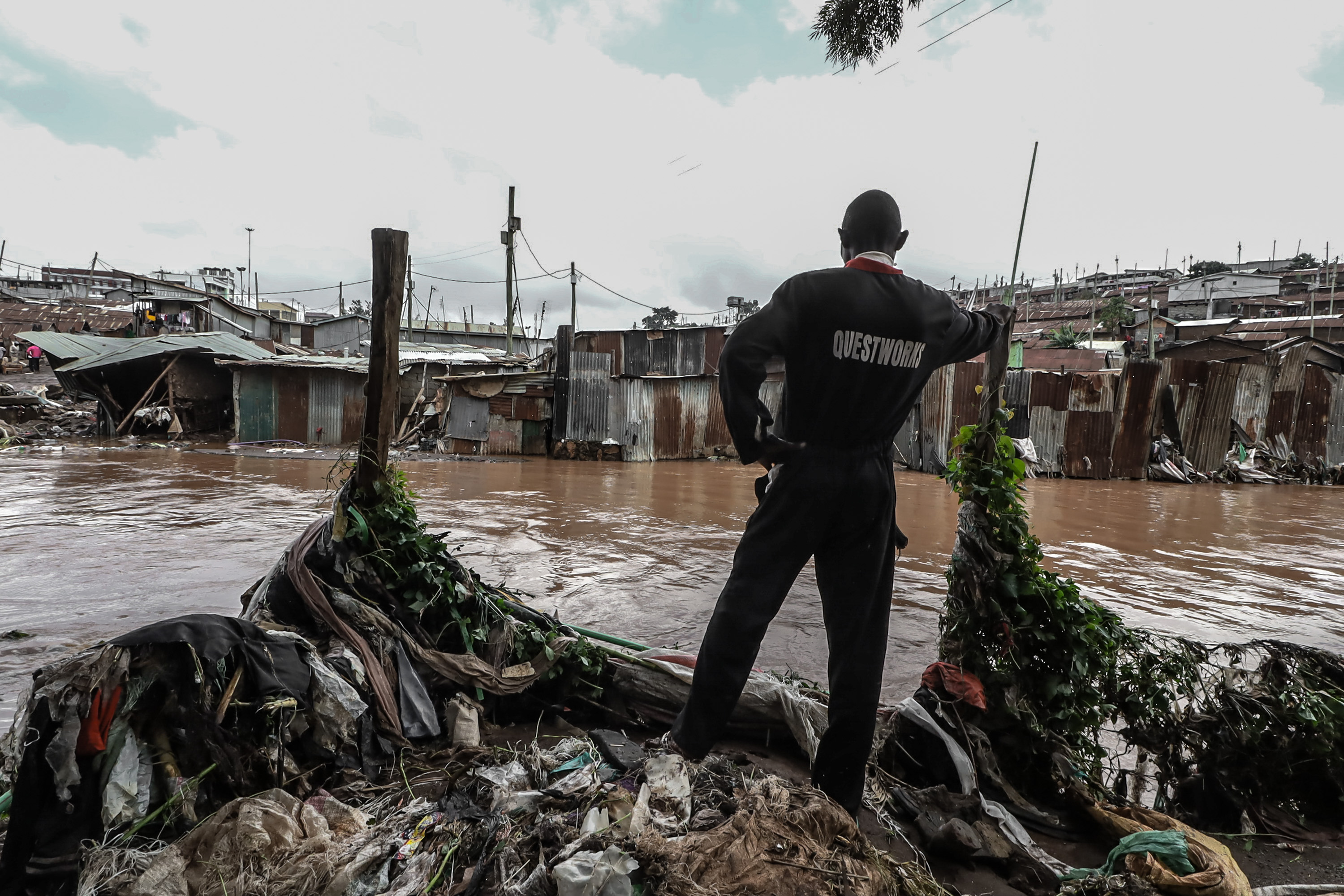
Cryptosporidium is the second-most common cause of diarrhea-related deaths among children younger than 5 years, according to an analysis of the 2015 Global Burden of Diseases, Injuries, and Risk Factors Study. The single-cell parasite spreads during heavy rainfall, though transmission decreases in warmer weather, making this waterborne disease highly sensitive to climate change.
Using global climate change models, a study published yesterday in the Journal of Infectious Diseases predicts that by 2055, higher temperatures will cause rates of Cryptosporidium among children to decrease by 16.93% in Siaya County, Kenya and 4.34% in Bamako, Mali. However, they forecast that higher precipitation will drive up transmission in Basse, The Gambia by 24.81%.
Researchers say that improving access to clean drinking water in areas with the highest burden of climate-sensitive health outcomes can lessen the effects of climate change.