Today, the Vaccine Integrity Project (VIP), based at the University of Minnesota’s Center for Infectious Disease Research and Policy (CIDRAP), announced it will examine existing scientific evidence on meningococcal and pneumococcal vaccines for children and young adults for its next independent review. CIDRAP publishes CIDRAP News.
The federal vaccine review and recommendation process is not functioning as it historically has
“Parents and clinicians need to trust that vaccine recommendations are grounded in a comprehensive and transparent review of the best available science,” said VIP Executive Director Michael Osterholm, PhD, MPH. “That need is especially important today, when the federal vaccine review and recommendation process is not functioning as it historically has.”
This is the latest in a series of independent evidence reviews, including reviews of influenza, COVID-19, and respiratory syncytial virus (RSV) immunizations, the hepatitis B birth dose, human papillomavirus (HPV) vaccination, and tetanus, diphtheria, and pertussis (Tdap) vaccination during pregnancy.
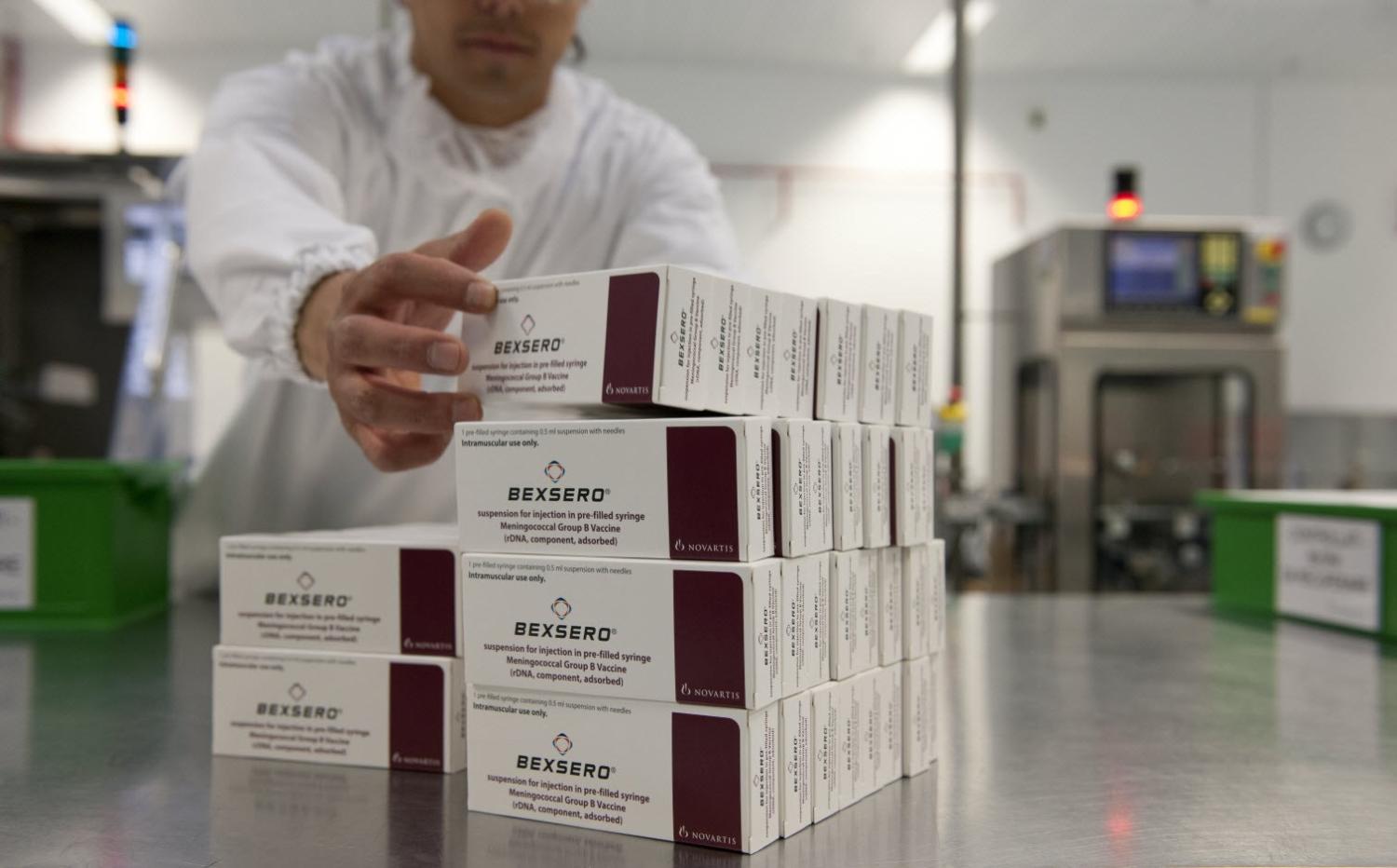
All licensed meningococcal and pneumococcal vaccines in the United States, including those protecting against serogroups A, C, W, and Y (MenACWY); serogroup B (MenB); and newer pentavalent vaccines protecting against five vaccine-preventable serogroups (MenABCWY), will be analyzed.
Meningococcal vaccine guidance changed under Kennedy
Cases of meningococcal disease, a bacterial infection caused by Neisseria meningitidis, are rare in the United States, but there has been an uptick in infections since 2021, driven largely by serogroup Y, which is vaccine-preventable.
Ten percent to 15% of meningococcal infections are fatal, and 10% to 20% of survivors have permanent aftereffects, including brain injury, limb amputation, or hearing loss, according to the Centers for Disease Control and Prevention.
Under new federal vaccine guidelines ushered in this year by Health and Human Services Secretary Robert F. Kennedy Jr., the pneumococcal vaccine is recommended for all children, but the MenB and MenACWY vaccines have been reclassified as recommended only for certain high-risk groups or populations, and other meningococcal vaccines have been relegated to immunization based on “shared clinical decision-making.”
The American Academy of Pediatrics, however, still recommends the vaccines for all children and adolescents.


