|
|
 |
|
|
Avian Influenza (Bird Flu): Agricultural and Wildlife Considerations
Last updated April 28, 2008
Definition of Avian Influenza Agent Hosts Transmission Key Outbreaks of HPAI in Domestic Avian Populations Current Status of H5N1 in Asia, Europe, and Africa Surveillance for H5N1 in the United States HPAI As a Biological Weapon Clinical Features in Domestic Birds Necropsy Lesions Differential Diagnosis in Birds Laboratory Diagnosis in Birds Treatment Prevention Outbreak Control in Poultry References
Definition of Avian Influenza
Avian influenza, which is caused by influenza A viruses, can affect a variety of domestic and wild bird species. Infection can range from asymptomatic to severe, depending on the virulence of the virus and the susceptibility of the avian host. Avian influenza in domestic chickens and turkeys is classified according to disease severity, with two recognized forms: highly pathogenic avian influenza (HPAI), also known as fowl plague, and low-pathogenic avian influenza (LPAI). Avian influenza viruses that cause HPAI are highly virulent and mortality rates in infected flocks often approach 100%. While LPAI viruses are generally of lower virulence, LPAI in flocks should be controlled because LPAI viruses can serve as progenitors to HPAI viruses.
Notifiable avian influenza is defined by the World Organization for Animal Health (OIE) as "an infection of poultry caused by any influenza A virus of the H5 or H7 subtypes or by any avian influenza virus with an intravenous pathogenicity index (IVPI) greater than 1.2 (or as an alternative at least 75% mortality)" (see References: OIE 2004). The OIE further classifies avian influenza as HPAI or LPAI according to the following criteria:
-
HPAI viruses have an IVPI in 6-week-old chickens greater than 1.2 or, as an alternative, cause at least 75% mortality in 4-to 8-week-old chickens infected intravenously. H5 and H7 viruses which do not have an IVPI of greater than 1.2 or cause less than 75% mortality in an intravenous lethality test should be sequenced to determine whether multiple basic amino acids are present at the cleavage site of the hemagglutinin molecule; if the amino acid motif is similar to that observed for other HPAI isolates, the isolate being tested should be considered as HPAI.
-
LPAI are all influenza A viruses of H5 and H7 subtype that are not HPAI viruses.
According to the OIE International Animal Health Code, countries that identify HPAI should report the occurrence to OIE within 24 hours.
Several different avian influenza strains have been shown to infect humans. These include viruses of the H5 subtype (H5N1), the H7 subtype (H7N2, H7N3, H7N7), the H9 subtype (H9N2), and the H10 subtype (H10N7). See the document, "Avian Influenza (Bird Flu): Implications for Human Disease" on this Web site for more information.
Back to top
Agent
Viral Classification and Genetic Composition of Influenza Viruses
-
Family: Orthomyxoviridae
-
Enveloped virions are 80 to 120 nm in diameter, are 200 to 300 nm long, and may be filamentous.
-
They consist of spike-shaped surface proteins, a partially host-derived lipid-rich envelope, and matrix (M) proteins surrounding a helical segmented nucleocapsid (6 to 8 segments).
-
The family contains five genera, classified by variations in nucleoprotein (NP and M) antigens: influenza A, influenza B, influenza C, thogotovirus, and isavirus.
-
Genus: Influenzavirus A
-
Consists of a single species: influenza A virus.
-
The multipartite genome is encapsidated, with each segment in a separate nucleocapsid. Eight different segments of negative-sense single-stranded RNA are present; this allows for genetic reassortment in single cells infected with more than one virus and may result in multiple strains that are different from the initial ones (see References: Voyles 2002).
-
The genome consists of 10 genes encoding for different proteins (eight structural proteins and two nonstructural proteins). These include the following: three transcriptases (PB2, PB1, and PA), two surface glycoproteins (hemagglutinin [HA] and neuraminidase [NA]), two matrix proteins (M1 and M2), one nucleocapsid protein (NP), and two nonstructural proteins (NS1 and NS2).
-
The virus envelope glycoproteins (HA and NA) are distributed evenly over the virion surface, forming characteristic spike-shaped structures. Antigenic variation in these proteins is used as part of the influenza A virus subtype definition (but not used for influenza B or C viruses).
-
Influenza A virus subtypes
-
There are 16 different HA antigens (H1 to H16) and nine different NA antigens (N1 to N9) for influenza A. Until recently, 15 HA types had been recognized, but a new type (H16) was isolated from black-headed gulls caught in Sweden and the Netherlands in 1999 and reported in the literature in 2005 (see References: Fouchier 2005).
-
H5 subtypes
-
H5 subtypes include both HPAI and LPAI strains.
-
H5N1 strains circulate among birds worldwide and are responsible for the current panzootic among domestic poultry and other birds in Asia, Europe, and Africa.
-
Since January 2002, the predominant genotype of H5N1 in Southern China has been genotype Z (see References: Li 2004). This genotype then spread into Southeast Asia in 2003, causing severe outbreaks in poultry in Thailand, Cambodia, and Vietnam. Since 2005, a sublineage of the Z genotype (termed Fujian-like or FJ-like) has emerged as the predominant variant in Southern China (see References: Smith 2006).
-
Recent genetic characterization of H5N1 viruses has demonstrated two distinct phylogenetic clades (see References: Webster 2006; WHO Global Influenza Program Surveillance Network; WHO: Antigenic and genetic characteristics of H5N1 viruses and candidate H5N1 vaccine viruses developed for potential use as pre-pandemic vaccines). Clade 1 viruses have circulated primarily in Cambodia, Thailand, and Vietnam and clade 2 viruses have circulated primarily in China and Indonesia and have spread westward to the Middle East, Europe, and Africa. Six different subclades of clade 2 have been recognized. The most recent wave of outbreaks in Thailand (in July 2006) has been caused by viruses closely related to those that caused outbreaks in Thailand in 2004-2005 and to viruses recently circulating in southeast China (see References: Chutinimitkul 2007).
-
A recent study involving genetic characterization of two H5N1 strains suggests that the NS1 gene is critical for pathogenicity of avian influenza in chickens (see References: Li 2006).
-
H5N1 appears to be expanding its host range, has caused a number of human deaths (see below), and the possibility that H5N1 could mutate into a human pandemic strain is causing worldwide concern (see References: WHO: Epidemic and pandemic alert and response).
-
H7 and H9 subtypes
-
H7 includes HPAI and LPAI strains.
-
H9 is only known to include LPAI strains.
-
These subtypes have caused infections in humans on rare occasions (see References: CDC: Avian influenza A viruses; WHO: H5N1 avian influenza: timeline of major events).
-
Influenza A nomenclature
-
Antigenic strain nomenclature is based on: (1) host of origin (if other than human), (2) geographic origin, (3) strain number, (4) year of isolation, and (5) HA and NA types (eg, for human strains, A/Hong Kong/03/68[H3N2], A/swine/Iowa/15/30[H1N1]).
-
As with other influenza A subtypes, standard nomenclature is used to name avian strains (eg, A/Chicken/HK/5/98 [H5N1]).
Environmental Survival of Avian Influenza Viruses
-
Influenza viruses remain infectious after 24 to 48 hours on nonporous environmental surfaces and less than 12 hours on porous surfaces (see References: Bean 1982). (Note: The importance of fomites in disease transmission has not been determined.)
-
Influenza A viruses can persist for extended periods of time in water (see References: WHO: Review of latest available evidence on risks to human health through potential transmission of avian influenza [H5N1] through water and sewage). One study of subtype H3N6 found that virus resuspended in Mississippi River water was detected for up to 32 days at 4°C and was undetectable after 4 days at 22°C (see References: Webster 1978). Another study found that several avian influenza viruses persisted in distilled water for 207 days at 17°C and 102 days at 28°C (see References: Stallknecht 1990).
-
Influenza A viruses can be preserved in lake ice and then released when the ice thaws the following spring or, in the case of arctic ice, up to years later. This may lead to temporal gene flow between viruses entrapped during one year and those shed by migrating birds in following years (see References: Zhang 2006).
-
Recent data from studies of H5N1 in domestic ducks have shown that H5N1 can survive in the environment for 6 days at 37°C (see References: WHO: Laboratory study of H5N1 viruses in domestic ducks: main findings).
-
Inactivation of the virus occurs under the following conditions (see References: OIE 2002, PHS):
-
Temperatures of 56°C for 3 hours or 60°C or more for 30 minutes
-
Acidic pH conditions
-
Presence of oxidizing agents such as sodium dodecyl sulfate, lipid solvents, and B-propiolactone
-
Exposure to disinfectants: formalin, iodine compounds
Back to top
Hosts
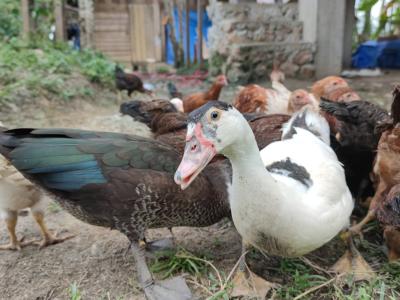
Avian influenza A viruses can infect a variety of domestic and wild avian species (including chickens, turkeys, ducks, domestic geese, quail, pheasants, partridge, psittacines, gulls, shorebirds, seabirds, emu, eagles, and others). The clinical manifestation of infection in birds ranges from asymptomatic infection to rapidly fatal disease (see References: Horimoto 2001).
Aquatic birds, particularly ducks, shore birds, and gulls, are considered the natural reservoirs for avian influenza viruses (see References: Fouchier 2004; Webster 1992). These waterfowl generally do not develop disease when infected with avian influenza viruses (see References: Horimoto 2001); however, H5N1 appears to be virulent for a variety of wild bird species.
An outbreak of H5N1 among migratory geese and other wild birds in Qinghai province, China, was identified in May 2005 (see References: Chen 2005; Liu 2005).
An outbreak in wild swans occurred in Azerbaijan in February 2006 and severe illness from H5N1 influenza recently has been recognized in a variety of other wild bird species (see References: Gilsdorf 2006; Olsen 2006; USGS National Wildlife Health Center: List of species affected by H5N1 influenza).
A recent laboratory study showed that North American wood ducks and laughing gulls are susceptible to illness and death from highly pathogenic H5N1 avian influenza viruses (see References: Brown 2006).
-
Domestic chickens and turkeys are susceptible to severe and potentially fatal influenza A caused by HPAI strains. Over the past several years, numerous H5N1 outbreaks have been recognized in chickens and an H5N1 outbreak in turkeys was identified in 2005 (see Oct 13, 2005, CIDRAP News story).
-
Investigators in Asia showed that asymptomatically infected domestic ducks shed more H5N1 virus for longer periods in 2004 than in 2003, which may be a factor in amplifying the spread of H5N1 to domestic poultry (see References: FAO/OIE/WHO 2004).
-
Another report demonstrated the presence of H5N1 influenza virus in asymptomatic eagles that were smuggled from Thailand into Belgium in 2004 (see References: Borm 2005).
-
HPAI H5N1 viruses were isolated from asymptomatic tree sparrows in the Henan province of China in 2005 (see References: Kou 2005).
Certain mammals also are susceptible to influenza.
-
Influenza A viruses have traditionally been known to cause disease in horses, pigs, whales, and seals; however, the range of several influenza A subtypes is expanding to different mammalian species.
-
H5N1 influenza A has now been shown to infect cats, leopards, tigers, civets, and dogs (see References: European Centre for Disease Prevention and Control Influenza Team 2006: H5N1 infections in cats; Keawcharoen 2004; Songserm 2006: Fatal avian influenza A H5N1 in a dog; Songserm 2006: Avian influenza H5N1 in naturally infected domestic cat; Thanawongnuwech 2005; Webster 2006; Yingst 2006). H5N1 recently was isolated from an infected mink and a stone marten in Europe (see References: WHO 2006: Influenza research at the human and animal interface).
-
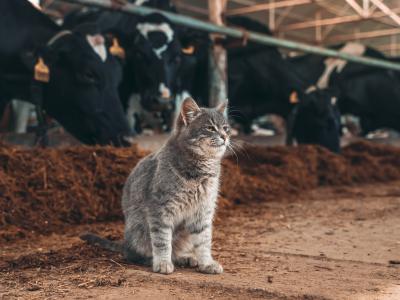
Some experts are concerned that domestic cats could play a role in transmission of H5N1 to humans, although this has not been documented to date (see References: Kuiken 2006). Asymptomatic infection has been reported in domestic cats (see References: Leschnik 2007). FAO recommends that avian influenza in cats should be closely monitored (see References: FAO: 2007). A recent report involving cats experimentally infected with H5N1 demonstrated that infected cats excreted the virus via the respiratory tract and the digestive tract, suggesting that in addition to the respiratory route, other routes of transmission may play a role in spread among mammalian hosts (see References: Rimmelzwaan 2006). Cat-to-cat transmission of H5N1 can occur (see References: WHO 2006: Influenza research at the human and animal interface).
-
H5N1 was identified in pigs in China in 2001 and 2003 (see References: Cyranoski 2004). The virus also was found in pigs in Indonesia early in 2005, when 5 of 10 pigs tested in western Java were shown to be asymptomatically infected, although the virus was not found in 150 pigs tested from outside the area (see References: Cyranoski 2005).A news report indicated that the virus was again isolated from pigs on the Indonesian island of Bali in the summer of 2006 (see Oct 10, 2006, CIDRAP New Story).
-
Cases of canine influenza caused by H3N8 recently have been recognized in the United States; this subtype traditionally has been found in horses (see References: Crawford 2005, Yoon 2005).
Back to top
Transmission
-
Routes of bird-to-bird transmission include:
-
Airborne transmission if birds are in close proximity
-
Direct contact with contaminated respiratory secretions or fecal material
-
Vertical transmission is not known to occur
-
Other factors that contribute to spread within and between flocks include the following:
-
Broken contaminated eggs in incubators infecting healthy chicks (see References: OIE 2002)
-
Movement of infected birds between flocks
-
Movement of fomites such as contaminated equipment, egg flats, feed trucks, and clothing and shoes of employees and service crews (see References: APHIS: Highly pathogenic avian influenza; Beard 1998)
-
Contact with infected wild birds and waterfowl
-
Fecal contamination of drinking water
-
Garbage flies (suspected of transmitting the virus during the 1983-1984 epidemic in Pennsylvania) (see References: Beard 1998)
The disease is highly contagious. One gram of contaminated manure can contain enough HPAI virus to infect 1 million birds (see References: APHIS: Highly pathogenic avian influenza).
Back to top
Key Outbreaks of HPAI in Domestic Avian Populations
To date, all outbreaks of HPAI in domestic poultry have been caused by H5 or H7 influenza A subtypes. Until 1999, HPAI was considered relatively rare, with only 17 outbreaks reported worldwide between 1959 and 1998; however, since 1999 the number of outbreaks occurring globally has increased significantly (see References: Capua 2004). Major outbreaks of avian influenza are highlighted in the table below.
|
Year
|
Subtype
|
Location
|
Impact
|
Comments
|
|
1983
|
H5
|
Pennsylvania
|
Caused severe clinical disease and high mortality rates in chickens, turkeys, and guinea fowl.
17 million birds were culled.
|
A serologically identical but apparently mild virus had been circulating in poultry in the area for 6 mo (see References: Beard 1998). No human cases were identified.
|
|
1994-2003
|
H5N2
|
Mexico
|
Nearly a billion birds have been affected.
|
An LPAI virus mutated to an HPAI virus and caused an outbreak in 1994-1995. The H5N2 strain has continued to circulate in Mexico since that time. No human cases have been identified.
|
|
1995-2003
|
H7N3
|
Pakistan
|
About 3.2 million birds died from avian influenza during initial outbreak in 1995.
|
A vaccination campaign apparently ended the outbreak. No human cases were identified.
|
|
1997
|
H5N1
|
Hong Kong
|
Virus was isolated from chickens; avian mortality rates were high. 1.5 million birds were culled in 3 days.
|
18 human cases with 6 deaths were recognized. Prior to this outbreak, H5N1 was not known to infect humans.
|
|
2003
|
H7N7
|
The Netherlands
|
30 million birds out of 100 million birds in country were killed; 255 flocks were infected. Disease spread to Belgium but was quite rapidly contained.
|
Over 80 human cases were reported, and one veterinarian died (see References: Fouchier 2004, Stegeman 2004). Most of the human cases involved conjunctivitis.
|
|
2003-2008 (ongoing)
|
H5N1
|
Asia, Europe, Africa
|
By far the most severe outbreak of avian influenza ever recognized. An estimated 220 million birds have died or been culled (see References: FAO 2006: Caucasus, Balkans at high risk for deadly H5N1 virus).
|
More than 380 human cases have been recognized, with more than half of them fatal, in Azerbaijan, Cambodia, China, Djibouti, Egypt, Indonesia, Iraq, Lao People's Democratic Republic, Myanmar, Nigeria, Pakistan, Thailand, Turkey, and Vietnam
|
|
2004
|
H7N3
|
British Columbia
|
Over 19 million birds were culled.
|
Two human cases were recognized; both patients had conjunctivitis.
|
|
2005
|
H7
|
North Korea
|
About 200,000 birds culled as of April 2005.
|
No human cases have been identified.
|
Examples of additional outbreaks of avian influenza that have occurred in the past include the following (see References: Horimoto 2001, Capua 2004):
-
Australia had outbreaks of HPAI in 1976 (H7N7), 1985 (H7N7), 1992 (H7N3), 1994 (H7N3), and 1997 (H7N4).
-
Italy had outbreaks in 1997 (H5N2), 1998 (H5N9), 1999-2001 (H7N1), and 2003-2003 (H7N3).
-
The Republic of Ireland had an outbreak in 1998 (H7N7) that spread into Northern Ireland as well.
Since 2002, three outbreaks of HPAI have occurred in the Western hemisphere:
-
Chile (H7N3) in 2002
-
United States (H5N2) in 2004
-
Canada (H7N3) in 2004 (noted in the table above [British Columbia])
In each of these outbreaks, a precursor virus of low pathogenicity mutated to become highly pathogenic after circulating in poultry (see References: Senne 2006).
Back to top
Current Status of H5N1 in Asia, Europe, and Africa
Avian influenza caused by H5N1 first received widespread recognition following a 1997 outbreak in poultry in Hong Kong with subsequent spread of the virus to humans. During that outbreak, 18 human cases were recognized; six patients died. The outbreak was stopped when all of the domestic chickens present in wholesale facilities and vendors in Hong Kong were slaughtered (see References: Snacken 1999). Person-to-person transmission of H5N1 was not recognized at that time (see References: Uyeki 2002). A precursor to the 1997 H5N1 strain was identified in Guangdong, China, in 1996, when it caused deaths in geese (see References: Webster 2006).
An outbreak of HPAI caused by H5N1 avian influenza started in Asia in the fall of 2003 and spread in domestic poultry farms at an historically unprecedented rate. The outbreak tapered off in spring 2004 but in summer re-emerged in several countries in Asia (including Cambodia, China, Lao People's Democratic Republic (PDR), Thailand, and Vietnam), where it is ongoing. The H5N1 strains currently causing outbreaks across Asia are genetically distinct from the strain isolated from humans in Hong Kong in 1997. A recent surveillance program in Lao PDR suggests that H5N1 did not become endemic in that country in 2004, but was reintroduced in 2006 (based on genetic testing of isolated strains) (see References: Boltz 2006).
Despite a compulsory poultry vaccination program in China, outbreaks of H5N1 avian influenza have continued to occur in that country. Ongoing market surveillance demonstrates that a single H5N1 sublineage (Fujian [FJ]-like) has emerged as the predominant strain in poultry in China since late 2005 (see References: Smith 2006). Viruses of the FJ-like sublineage belong to genotype Z, which has been the predominant H5N1 genotype in Southern China since 2002. In the summer of 2005, H5N1 began expanding its geographic range beyond Asia; this trend has continued into 2007.
-
In late July 2005, outbreaks of H5N1 in poultry were recognized in Russia, Kazakhstan, and Mongolia (see References: WHO 2005: Geographical spread of H5N1 avian influenza in birds).
-
In October 2005, H5N1 spread to Turkey and Europe, and numerous areas in Europe and the Middle East have been affected since (see table below).
-
In February 2006, H5N1 was confirmed in a commercial poultry flock in northern Nigeria (see References: WHO: Avian influenza: situation [birds] in Nigeria), marking the first reports of the disease in poultry in Africa. Several other African nations have been affected since then (see table below).
-
In March 2007, H5N1 was detected for the first time in Bangladesh (see References: FAO 2007).
The continuing spread of H5N1 appears to be related to two factors: spread through movement of poultry (legal as well as illegal) and spread through wild migratory birds (see References: FAO 2006: Should wild birds now be considered a permanent reservoir of the virus?; Liu 2005; Webster 2006). The current perspective is that wild birds may serve as the vector to transport H5N1 from infected areas to new geographic locations and then poultry amplify the virus to create the massive viral loads associated with outbreaks (see References: FAO 2006: Evolution of highly pathogenic avian influenza type H5N1 in Europe: review of disease ecology, trends, and perspectives of spread autumn-winter 2006).
-
Domestic ducks and geese are currently considered to be the true vectors of disease transmission in poultry, and according to WHO, mallard ducks are regarded as the "champion" vectors for geographic spread (see References: WHO 2006: Influenza research at the human and animal interface).
-
Studies have shown that until 2002, ducks predominantly shed H5N1 virus in the feces. More recent studies have found that ducks now shed the virus mainly via the respiratory tract, which demonstrates an evolution of the virus and may impact transmission (see References: WHO 2006: Influenza research at the human and animal interface).
-
Free-grazing ducks have been shown to be a critical factor in persistence and spread of H5N1 in Thailand (see References: Gilbert 2006). Free-ranging backyard chickens, illegal transportation of domestic birds, and cockfighting also have been shown to contribute to spread of the virus in that country (see References: Tiensin 2005).
-
A recent study of H5N1 isolates in Southeast Asia indicates that the lineage originated in Southern China and spread to other areas of Southeast Asia through poultry and wild birds. Genetically and antigenically distinct sublineages have emerged in different geographic regions of Southeast Asia, indicating long-term regional endemicity of the virus (see References: Chen 2006).
-
In most of the European countries where H5N1 has been detected, the virus has been associated with introduction through wild migratory birds (see References: FAO 2006: Should wild birds now be considered a permanent reservoir of the virus?; Shestopalov 2006). A recent study showed that the spread of H5N1 from Siberia to the Black Sea basin is consistent in time and space with the migratory patterns of Anatidae bird species (ducks, geese, and swans) (see References: Gilbert 2006).
-
In Africa, it appears that the virus has spread predominantly through trade of poultry for human consumption (see References: FAO 2006: Should wild birds now be considered a permanent reservoir of the virus?).
-
As noted above, Nigeria was the first African country to experience outbreaks of H5N1 in poultry (in February 2006). One study showed that three different sublineages were independently introduced into Nigeria through routes that coincide with flight paths of migratory birds, although the authors state that independent trade imports could not be ruled out as the source of spread (see References: Ducatez 2006).
-
Studies suggest that H5N1 can move from poultry to migratory birds and back again (ie, "relay transmission"), which may account for some of the continuing geographic spread (see References: WHO 2006: Influenza research at the human and animal interface).
-
An investigation of an H5N1 poultry outbreak that occurred in January 2007 in Great Britain suggests that contaminated turkey meat from Hungary may have been the source of the outbreak (see References: DEFRA 2007). The meat was imported and then further processed at a plant in Great Britain; the plant was in close proximity to a poultry farm.
-
A recently published assessment of the risk of infection with H5N1 among chickens in Hong Kong during the first quarter of 2002 found that retail marketing of live poultry was the main source of exposure to infection on chicken farms during this period (see References: Kung 2007).
-
A recent study integrated data on phylogenetic relationships of viral isolates, migratory bird movements, and trade in poultry and wild birds to determine the pathways of 52 introduction events into various countries (see References: Kilpatrick 2006). The investigators found that 9 of 21 introductions into Asian countries were most likely through poultry and 3 of 21 were through migratory birds. Conversely, in Europe, 20 of 23 introductions were likely through migratory birds. Of 8 introductions into African countries, 2 were likely caused by poultry and 3 by migratory birds. The authors suggest that the spread of H5N1 into the Western Hemisphere is more likely to occur from poultry introductions than from wild birds.
-
Another recent phylogeographic study suggests that the Chinese province of Guangdong is the source of multiple H5N1 strains spreading at both regional and international scales (see References: Wallace 2007). Southeast Asia appears to be a regional sink, demonstrating bidirectional dispersal among localities within the region. H5N1 appears to be able to infect repeated cycles of host species across localities, regardless of the host species first infected in each locale.
As of August 2006, over 220 million birds had been killed by H5N1 or culled to prevent further spread (see References: FAO 2006: Caucasus, Balkans at high risk for deadly H5N1 virus), and the number keeps growing. Areas affected by H5N1 avian influenza in poultry or migratory birds as of June 2006 are shown in the following table.
|
East Asia, Southeast Asia
|
Europe
|
Siberia, Central Asia, Middle East
|
Africa
|
|
Cambodia China Hong Kong Indonesia Japan Lao PDR Malaysia Myanmar Mongolia South Korea Thailand Vietnam
|
Albania Austria Bosnia-Herzegovina Bulgaria Croatia Czech Republic Denmark England France Germany Greece Hungary Italy Poland Romania Russia (European Russia) Scotland Serbia Slovakia Slovenia Spain Sweden Switzerland
|
Afghanistan Azerbaijan Bangladesh Cyprus Georgia (former Soviet republic) India Iran Iraq Israel Jordan Kazakhstan Kuwait Pakistan Palestine Turkey Ukraine Russia (Siberia) Saudi Arabia
|
Benin Burkina Faso Cameroon Djibouti Egypt Ghana Ivory Coast Niger Nigeria Sudan Togo
|
The unprecedented rapid spread of H5N1 avian influenza across Asia, Europe, and Africa has been alarming to international health organizations, and efforts to contain its spread are ongoing. Control measures currently recommended in Asia are outlined in the sections below on Prevention and Outbreak Control in Poultry.
A report from the Food and Agricultural Organization of the United Nations (FAO) published in September 2004 indicates that H5 avian influenza viruses have become endemic in parts of Southeast Asia and that existing reservoirs in ducks, wild birds, and potentially pigs "pose a serious challenge to eradication" (see References: FAO 2004). A more recent report suggests that H5N1 could become endemic in Africa, primarily because of poor biosecurity and ineffective disease control (see References: European Centre for Disease Surveillance and Control Influenza Team 2006: World avian influenza update). Attendees at a 2006 international conference in Rome raised the issue of whether wild birds should be considered a permanent reservoir for H5N1 (see References: FAO 2006: Wild birds' role in HPAI crisis confirmed). Alarming features of H5N1 include the following (see References: WHO Influenza
pandemic preparedness and response [January 2005]).
-
Studies comparing virus samples over time indicate that the virus has become progressively more pathogenic for poultry.
-
The current strain of the virus is now able to survive several days longer in the environment compared with when it first emerged.
-
The virus appears to be expanding its mammalian host range, as indicated in the section above on "Hosts."
-
The virus has been found increasingly in dead migratory birds (which are usually not clinically affected by HPAI viruses); this supports the growing virulence of the current virus.
-
Recent genetic sequencing performed on viral isolates from Turkey demonstrates that the strains contain two mutations which may make the virus better adapted to humans (see References: Butler 2006). These mutations could potentially enhance transmission from birds to humans and between humans.
An international conference sponsored by the World Health Organization (WHO) and OIE and held in Ho Chi Minh City in February 2005 concluded that at that time the agricultural losses from the current H5N1 avian influenza outbreak had reached an estimated $10 billion. Conference participants also noted that about $100 million was needed in the region to strengthen animal health and laboratory diagnostic services.
In addition to the rapid spread of H5N1 in poultry, more than 380 human cases of H5N1 influenza have been confirmed, with over half of them fatal, according to official WHO data. Cases have occurred in Azerbaijan, Cambodia, China, Djibouti, Egypt, Indonesia, Iraq, Lao People's Democratic Republic, Myanmar, Nigeria, Pakistan, Thailand, Turkey, and Vietnam (see References: WHO: Cumulative confirmed cases of human H5N1 avian influenza). To date, sustained person-to-person transmission has not been recognized, although limited transmission has been suggested in several family clusters (see References: Olsen 2005, Ungchusak 2005). The largest cluster to date involved seven persons in Indonesia and included two generations of person-to-person spread (see May 24, 2006, CIDRAP News story). An Indonesian official recently put the number of clusters at 10, all involving cases in
blood relatives (see Jan 16, 2007, CIDRAP News story).
Influenza experts are concerned that if the H5N1 virus reassorts with human influenza viruses, a new influenza virus with pandemic potential could emerge (see References: Stohr 2005; Monto 2005; WHO: Influenza pandemic preparedness and response [January 2005]). Another possibility is for an avian strain to gradually adapt to the human population and develop into a pandemic strain without genetic reassortment (see References: Taubenberger 2005). For a pandemic to occur, the new virus would need to be highly pathogenic for humans and easily transmitted person-to-person. For more, see the documents "Avian Influenza (Bird Flu): Implications for Human Disease" and "Pandemic Influenza" on this Web site.
Back to top
Surveillance for H5N1 in the United States
To date, HPAI H5N1 has not been detected in the Western hemisphere; however, an introduction via wild migratory birds is possible. Three pathways of interhemispheric migration have been recognized (see References: Rappole 2006):
-
AlaskaEast Asia (birds that breed in Alaska winter in East Asia)
-
East AsiaPacific North America (birds that breed in northeast Asia winter along the Pacific coast of North America)
-
EuropeAtlantic North America (birds that breed in Iceland or Northwestern Europe winter along the Atlantic Coast of North America)
In response to a potential introduction of H5N1 via wild birds, surveillance in the United States aimed at early detection was initiated in Alaska in the spring of 2006 (the National HPAI Early Detection Data System [HEDDS]) and then expanded to the rest of the country during the summer months.
-
Testing results are being posted on the US Geological Survey (USGS) Web site (see References: USGS National Wildlife Health Center: National HPAI Early Detection Data System [HEDDS]).
-
As of December 29, 2006, over 37,000 wild birds had been tested and all were negative for highly pathogenic H5N1.
-
Low-pathogenic avian influenza H5 strains have been isolated from wild birds in a number of states since the testing program began, including Delaware, Illinois, Maryland, Michigan, Missouri, Montana, New York, Ohio, Pennsylvania, and South Dakota. Up-to-date information is available on the HEDDS Web site (see References: APHIS Web site; USGS National Wildlife Health Center: National HPAI Early Detection Data System [HEDDS]).
Another possible mechanism for introduction of H5N1 into the Western hemisphere (and perhaps more likely than an introduction through wild migratory birds) is the import of infected domestic or pet birds (see References: Rappole 2006). A combination of imported poultry and spread via migratory birds could result in introduction of the virus to the United States. For example, infected poultry imported into Canada, Brazil, or Mexico could serve as a source of infection for migratory birds, which could then spread the virus along the various flyways into the United States (see References: Kilpatrick 2006).
Back to top
HPAI As a Biological Weapon
HPAI is considered a potential biological weapon because of the following factors:
-
Extremely contagious
-
High mortality rate
-
Severe economic consequences of an outbreak:
-
Large numbers of birds are destroyed or die.
-
Control measures disrupt trade of poultry products from affected areas.
-
Prices of retail poultry products may increase significantly.
-
Virus has a high potential for genetic mutations and for new strains to arise and affect new species
-
The Hong Kong epidemic of 1997 and the associated human cases demonstrate the ability of the virus to affect humans and birds.
Back to top
Clinical Features in Domestic Birds
The clinical signs of HPAI are severe and result in high mortality rates in many species of birds, especially domestic fowl. As mentioned above, waterfowl, ratites, and other birds may not be as susceptible to clinical signs but can act as carriers for the virus.
|
Feature
|
Characteristics
|
|
CHICKENS
|
|
Incubation Period
|
3-7 days
|
|
Clinical signs
|
Sudden death Severe depression with ruffled feathers Inappetence Drastic decline in egg production Edema of head and neck Swollen and cyanotic combs and wattles (see Gray Book figure 25 and figure 26 [References: Beard 1998]) Petechial hemorrhages on internal membrane surfaces Excessive thirst Watery diarrhea that begins as bright green and progresses to white Swollen and congested conjunctiva with occasional hemorrhage Diffuse hemorrhage between hocks and feet (see Gray Book figure 27 [References: Beard 1998]) Respiratory signs are dependent on tracheal involvement Nasal and ocular discharge
Mucus accumulation (varies) Lack of energy Coughing/sneezing Incoordination Nervous system signs such as paralysis
|
|
Complications
|
Cessation of egg production, and eggs laid immediately prior to infection often soft-shelled and misshapen Surviving birds are in poor condition and resume laying only after a period of several weeks
|
|
Case-fatality rate
|
Can be as high as 100% Death may occur prior to any symptoms or as late as a week after symptoms, though it is frequently within 48 hr
|
|
TURKEYS
|
|
Incubation period
|
3-7 days
|
|
Clinical signs
|
Sudden death Severe depression with ruffled feathers Inappetence Drastic decline in egg production Edema of the head and neck Swollen and cyanotic combs and wattles Petechial hemorrhages on internal membrane surfaces Excessive thirst and evidence of dehydration Watery diarrhea that begins as bright green and progresses to white Swollen and congested conjunctivae with occasional hemorrhage Diffuse hemorrhage between hocks and feet Respiratory signs are dependent on tracheal involvement Nasal and ocular discharge Mucus accumulation (varies) Lack of energy Coughing/sneezing Incoordination Nervous system signs such as paralysis Sinusitis Dehydration
|
|
Complications
|
Decrease in egg production Sudden death Surviving birds are in poor condition and resume laying only after a period of several weeks
|
|
Case-fatality rate
|
Can be as high as 100% Most turkeys die within 3 to 10 days
|
|
DUCKS AND GEESE
|
|
Incubation period
|
3-7 days
|
|
Clinical signs
|
Signs of depression, inappetence, and diarrhea similar to those seen in layers Swollen sinuses Neurologic signs in younger birds Sinusitis
|
|
Complications
|
Decrease in egg production Sudden death Surviving birds are in poor condition and resume laying only after a period of several weeks
|
|
Case-fatality rate
|
As high as 100%
|
Back to top
Necropsy Lesions
HPAI can be recognized by the high mortality rate in affected flocks as well as by the clinical signs. Characteristic necropsy lesions, listed in the table below, also can help make the diagnosis.
|
Type of Bird
|
Characteristics
|
|
Chickens
|
Lesions may be absent in young birds and birds that die from peracute disease Severe congestion of musculature Severe congestion of conjunctivae, sometimes with petechiae Excessive mucous exudates in lumen of trachea Severe hemorrhagic tracheitis Petechiae on inside of sternum Petechiae on serosal and abdominal fat and in body cavity Severe kidney congestion, sometimes with urate deposits in tubules Hemorrhages on mucosal surface of proventriculus, especially at juncture with gizzard Hemorrhages and erosions of gizzard lining Hemorrhagic foci on lymphoid tissues in intestinal mucosa Ovary may be hemorrhagic or degenerated with darkened areas of necrosis Peritoneal cavity often filled with yolk from ruptured ova
|
|
Turkeys
|
Lesions similar to those in chickens but may not be as severe
|
|
Domestic ducks
|
Lesions may be similar to those seen in chickens though not as marked, or they may be absent altogether
|
Back to top
Differential Diagnosis in Birds
Other diseases to consider when examining birds suspected of having HPAI include:
-
Velogenic (exotic) Newcastle disease
-
Infectious laryngotracheitis
-
Acute Escherichia coli infections
-
Acute fowl cholera (Pasteurella multocida)
-
Bacterial sinusitis (ducks)
Back to top
Laboratory Diagnosis in Birds
Sample Collection
According to the OIE Manual of Diagnostic Tests and Vaccines for Terrestrial Animals (see References), considerations for sample collection for avian influenza in birds include the following:
-
Samples taken from dead birds should include intestinal contents (feces) or cloacal swabs and oropharyngeal swabs. Samples from trachea, lungs, air sacs, intestine, spleen, kidney, brain, liver, and heart may also be collected and processed either separately or as a pool.
-
Samples from live birds should include both tracheal and cloacal swabs, although the latter are most likely to yield virus. Because small, delicate birds may be harmed by swabbing, the collection of fresh feces may serve as an adequate alternative. To optimize the chances of virus isolation, it is recommended that at least 1 gm of feces be processed either as feces or coating the swab.
-
The samples should be placed in isotonic phosphate buffered saline (PBS), pH 7.0 to 7.4, containing antibiotics.
-
The antibiotics can be varied according to local conditions, but could be, for example, penicillin (2,000 units/mL), streptomycin (2 mg/mL), gentamicin (50 mcg/mL) and mycostatin (1,000 units/mL) for tissues and tracheal swabs but at five-fold higher concentrations for feces and cloacal swabs. It is important to readjust the solution to pH 7.0 to 7.4 after addition of antibiotics.
-
Feces and finely minced tissues should be prepared as 10% to 20% (w/v) suspensions in the antibiotic solution. Suspensions should be processed as soon as possible after incubation for 1 to 2 hours at room temperature.
-
When immediate processing is impractical, samples may be stored at 4°C for up to 4 days. For prolonged storage, diagnostic samples and isolates should be kept at 80°C.
Identification of the Agent
Once specimens have been collected and processed, the OIE Manual recommends the following for identification of avian influenza (see References: OIE Manual of Diagnostic Tests and Vaccines for Terrestrial Animals):
-
The preferred method of growing avian influenza A viruses is by the inoculation of embryonated specific pathogen free (SPF) fowl eggs, or specific antibody negative (SAN) eggs of 9 to 11 days' incubation.
-
Eggs should be incubated at 35°C to 37°C for 4 to 7 days.
-
Eggs containing dead or dying embryos as they arise, and all eggs remaining at the end of the incubation period, should first be chilled to 4°C and the allantoic fluids should then be tested for hemagglutination (HA) activity.
-
Detection of HA activity indicates a high probability of the presence of an influenza A virus or of an avian paramyxovirus. Fluids that give a negative reaction should be passaged into at least one further batch of eggs.
-
Several methods are available to confirm the presence of influenza A virus; these include:
-
Agar gel immunodiffusion (AGID) tests that demonstrate the presence of the nucleocapsid or matrix antigens
-
Various enzyme-linked immunosorbent assays (ELISAs)
-
Reverse-transcription polymerase chain reaction (RT-PCR) using nucleoprotein-specific or matrix-specific conserved primers; the presence of subtype H5 or H7 influenza virus can be confirmed by using H5- or H7-specific primers
Serologic Tests
Because sera from infected chickens can yield positive antibody tests as early as 3 to 4 days after the first signs of disease appear, serologic tests can be useful to diagnose the disease. Examples of serologic tests are outlined below (see References: OIE: Manual of Diagnostic Tests and Vaccines for Terrestrial Animals).
-
AGID
-
These tests have been widely and routinely used to detect specific antibodies in chicken and turkey flocks as an indication of infection.
-
They have generally employed nucleocapsid-enriched preparations made from the chorioallantoic membranes of embryonated fowl eggs that have been infected at 10 days of age, homogenized, freeze/thawed three times, and centrifuged.
-
The supernatant fluids are inactivated by the addition of 0.1% formalin or 1% betapropiolactone, recentrifuged and used as antigen. Not all avian species may produce precipitating antibodies following infection with influenzaviruses.
-
Concentrated virus preparations contain both matrix and nucleocapsid antigens; the matrix antigen diffuses more rapidly than the nucleocapsid antigen.
-
Hemagglutination (HA) and hemagglutination-inhibition (HI) tests
-
Variations in the procedures for HA and HI tests are practiced in different laboratories and are described in the OIE manual.
-
Neuraminidase-inhibition test
-
This test has been used to identify the avian influenza neuraminidase type of isolates and to characterize the antibody in infected birds.
-
The procedure requires specialized expertise and reagents; consequently this testing is usually done in an OIE Reference Laboratory.
-
Commercial ELISA kits
-
These detect antibody against the nucleocapsid protein.
-
Several different test and antigen preparation methods are in use.
-
Such tests have usually been evaluated and validated by the manufacturer, and it is therefore important that the instructions specified for their use be followed carefully.
Developing Techniques for the Diagnosis
In addition to the tests mentioned above, new diagnostics have become available in recent years, including:
-
Antigen detection tests
-
The commercially available Directigen Flu A Kit (Becton Dickinson Microbiology Systems), which is an antigen-capture enzyme immunoassay system, has been used for detecting the presence of influenza A viruses in poultry, particularly in the United States. The kit uses a monoclonal antibody against the nucleoprotein and should therefore be able to detect any influenza A virus.
-
The main advantage of the test is that it can demonstrate the presence of avian influenza within 15 minutes.
-
The disadvantages are that it may lack sensitivity, it has not been validated for different species of birds, subtype identification is not achieved, and the kits are expensive.
-
Direct RNA detection
-
RT-PCR techniques on clinical specimens could, with the correctly defined primers, result in rapid detection and subtype (at least H5 and H7) identification.
-
Direct RT-PCR tests may be useful for rapidly identifying subsequent outbreaks in flocks once the primary infected premises has been identified and the virus characterized.
Back to top
Treatment
There is no effective treatment for HPAI in poultry.
Back to top
Prevention
Accepted methods for prevention of avian influenza are outlined below. In response to the situation in Asia, several short-term strategies were put forth by the international health agencies at a meeting in Malaysia in July 2005 (see References: FAO/OIE/WHO July 2005). WHO and FAO issued a statement outlining a multipronged approach that includes:
-
Educational efforts focusing on small-scale and backyard farms, where most cases of human cases of H5N1 have occurred
-
Segregation of different animal species (eg, chickens, ducks, pigs) and elimination of these animals' intermingling with humans
-
Incentives for farmers to report suspected cases of avian flu and to apply control measures
-
Vaccination of poultry flocks
In August 2005, OIE reiterated this approach, calling for intensification of the measures in view of the spread of H5N1 in late summer 2005 into Russia and Kazakhstan and urging financial support from wealthy nations (see References: OIE: Evolution of the animal health situation with regard to avian influenza 2005).
In response to the ongoing global panzootic, FAO released in March 2006 a proposal for a global control and eradication program (see References: FAO 2006: Avian influenza control and eradication: FAO's proposal for a global programme) that focuses on the following activities:
-
Coordinate (in collaboration with OIE) the international response at the global and regional levels.
-
Provide support to infected countries in their efforts to control and eradicate the disease.
-
Assist at-risk countries in their efforts to be prepared to face an incursion of the disease.
-
Provide support to newly infected countries.
Enhanced Biosecurity
Traditionally, the best way to prevent HPAI from spreading has been to prevent exposure of flocks to the influenza virus. This depends on the formation of a barrier between farms and the outside environment. Although this approach is still considered the cornerstone for prevention, recent experience has shown that maintaining high enough biosecurity standards to prevent spread is challenging. Strategies to enhance biosecurity include the following (see References: APHIS: Highly pathogenic avian influenza; FAO 2004):
-
Avoid contact between domestic poultry and wild birds, especially waterfowl.
-
Open-range operations have a greater risk of acquiring influenza virus in regions where migratory waterfowl, sea birds, and shore birds are found.
-
Exclude wild waterfowl from ponds that serve as drinking water for poultry.
-
If wild waterfowl cannot be excluded from ponds, then drinking water obtained from these sources should be treated (eg, with ultraviolet radiation or chlorination).
-
Avoid the introduction of birds of unknown disease status into a flock.
-
Control human traffic.
-
Ensure that people with access to the flock wear proper safety equipment such as boots, coveralls, gloves, face masks, and headgear.
-
Provide clean clothing and disinfection facilities for employees.
-
Follow proper cleaning and disinfection procedures.
-
Use an "all-in/all-out" production system.
-
Permit only essential workers and vehicles to enter the farm.
-
Thoroughly clean and disinfect equipment and vehicles entering and leaving the farm; the tires and undercarriage of vehicles should be included in the process.
-
Do not loan or borrow equipment or vehicles from other farms.
-
Avoid visiting other poultry farms. If unavoidable or if visiting a live-bird market, change footwear and clothing before working with your own flock
-
Do not bring birds from slaughter channels, especially live-bird markets, back to the farm.
Live Market Practices
The 1997 HPAI outbreak in Hong Kong demonstrated the difficulties of preventing spread of influenza virus in live markets. Once the virus is established in such a market, it can easily spread via the movement of birds, crates, or trucks to other farms and/or markets. It is important to follow biosecurity protocols at live-bird markets as well as on the farm (see References: APHIS: Highly pathogenic avian influenza).
-
Use plastic instead of wooden crates for easier cleaning.
-
Keep scales and floors clean of manure, feathers, and other debris.
-
Clean and disinfect all equipment, crates, and vehicles before returning them to the farm.
-
Keep incoming poultry separate from unsold birds, especially if birds are from different lots.
-
Clean and disinfect the marketplace after every day of sale.
-
Do not return unsold birds to the farm.
Vaccination
Vaccinated birds are less likely to become infected and are less likely to excrete the virus; therefore, vaccination can be used either as a tool to support eradication or as a tool to control the disease and reduce the viral load in the environment. FAO has described three broad categories of vaccination strategies (see References: FAO 2004):
-
Vaccination in response to an outbreak using a "ring vaccination" approach or vaccination of only designated high-risk poultry; this approach should be used in conjunction with culling of infected poultry.
-
Vaccination in response to a "trigger," such as evidence from surveillance information that a HPAI virus has entered the area: this approach may be used in situations where the potential to improve biosecurity is limited.
-
Preemptive baseline vaccination, such as vaccinating poultry during restocking of farms in previously infected areas.
Two different types of vaccines are currently available, both of which are administered by injection (see References: FAO 2004):
-
Conventional vaccines, which include inactivated homologous vaccines and inactivated heterologous vaccines
-
They involve an inactivated whole avian influenza virus antigen in oil-based emulsion adjuvant
-
These vaccines use a homologous H determinant (such as H5 for the strain currently circulating in Asia).
-
They possess either a homologous (such as N1 for the strain currently circulating in Asia) or heterologous N determinant.
-
The use of a heterologous N determinant allows use of serologic surveillance to detect the circulation of field virus through the detection of antibodies to the N subtype of the field virus; this is known as the DIVA approach (ie, differentiating infected from vaccinated animals).
-
The DIVA approach was used successfully during an LPAI outbreak in Italy.
-
Recombinant vaccines
-
Several recombinant fowlpox virus-vector vaccines that express the H5 antigen have been developed.
-
One vaccine has been licensed and is in use in Mexico. However, some experts have questioned whether extensive use of this vaccine resulted in the emergence of antigenic variants that have persisted in the region (see References: Capua 2006, Lee 2004, Webster 2006).
-
Two recent studies reported success with experimental recombinant poultry vaccines made with HPAI and Newcastle disease viruses; one of them allows serologic discrimination between vaccinated and field-infected birds (see References: Park 2006, Veits 2006).
A number of additional novel vaccines either have been developed or are under development. Examples include:
-
Subunit vaccines
-
DNA vaccines
-
Vaccines based on reverse genetics
-
Adenovirus-vectored vaccine delivered via drinking water
-
Newcastle disease-vectored vaccine delivered via aerosol
-
Newcastle disease virusbased bivalent live attenuated vaccine developed through reverse genetics (protects against both Newcastle disease and H5N1 avian influenza) (see References: Ge 2007)
Debate continues over the advisability of widespread poultry vaccination in preventing the current spread of H5N1. Imperfectly implemented vaccination programs have the potential to actually impede control of the disease (see References: Capua 2006, European Centre for Disease Surveillance and Control Influenza Team 2006, Webster 2006).
-
An acceptable vaccination program should decrease the level of virus excretion among vaccinated birds below the level of transmissibility. In addition, unvaccinated sentinel birds should be kept on the premises to monitor for viral shedding, antigenic drift, or both. To date, the only system that enables detection of exposure and has resulted in eradication is the DIVA system (outlined above under the section on vaccination), although new vaccines are showing promise (see References: Capua 2006).
-
A poor vaccination program can promote undetected spread of the virus by preventing disease signs but not reducing the level of viral excretion below transmissible levels.
-
It is not clear whether large-scale poultry vaccination would ultimately decrease or increase the risk of human exposure to H5N1. In addition, poorly implemented vaccination programs may mask infection in poultry, thereby decreasing initiation of early surveillance for human disease in areas where human exposure is likely to occur.
-
Compulsory vaccination of poultry in China has not stopped the spread of H5N1 in that country. The vaccine used in China apparently generates very low neutralizing antibodies to FJ-like H5N1 strains (which is now the predominant sublineage circulating in poultry in China). Use of the vaccine may actually have promoted the selection of this particular variant through "immune escape" from the vaccine (see References: Smith 2006).
-
Compulsory vaccination of poultry also was introduced in Vietnam in 2005. Although vaccination may have contributed to a decline in H5N1 activity in 2005 and most of 2006, the virus resurfaced in Vietnam late in 2006 (see December 20, 2006, CIDRAP News Story).
Back to top
Outbreak Control in Poultry
Several steps should be taken to control an outbreak of HPAI (see References: FAO 2004):
-
Controlled movement of birds and products that may contain virus
-
Infected "zones" should be identified, and movement of items and birds from those zones should be controlled.
-
Border controls should be instituted as necessary.
-
Destruction of infected and at-risk poultry ("stamping out")
-
This should be done as humanely and as quickly as possible, preferably within 24 hours after infection in the flock is detected.
-
One widely used method is asphyxiation using carbon dioxide.
-
Stringent cleaning and disinfection of the facilities and equipment should be performed after culling.
-
No new birds should be allowed in facilities for at least 21 days after depopulation and disinfection.
-
According to a recent article following a 2003 H7N7 outbreak in the Netherlands, complete depopulation of infected areas seemed to be the most effective control measure (see References: Stegeman 2005). However, when the HPAI strain becomes endemic (as in the current situation in Asia with H5N1), efforts to eradicate the virus from poultry in affected areas are likely to be less effective.
-
Although "stamping out" is advocated as a primary outbreak control measure, the extensiveness of the current H5N1 panzootic has led to concerns about the impact of mass culling of millions of birds on local and regional economies and on the ability to maintain food security in poor areas of the world (see References: Capua 2006).
-
Proper disposal of carcasses and all animal products in contact with the infected flock should be performed in a biosecure and environmentally acceptable manner.
-
Vaccination of flocks may be suitable for control in some situations or may be used as an adjunct to mass culling efforts (see References: FAO 2004, Capua 2006). A 2005 report which evaluated the effectiveness of a vaccination campaign following an outbreak of HPAI H7N7 in chickens in the Netherlands demonstrated that vaccination was an effective strategy to reduce transmission (see References: van der Goot 2005).
In November 2005, WHO, FAO, and OIE published a document entitled Global Strategy for the Progressive Control of Highly Pathogenic Avian Influenza (see References). It includes recommendations made at the 2nd FAO/OIE Regional Meeting on Avian Influenza in Asia (Ho Chi Minh City, February 2005) and applies scientific information presented at the OIE/FAO International Scientific Conference on Avian Influenza (Paris, Ap | |