Tularemia: Current, comprehensive information on pathogenesis, microbiology, epidemiology, diagnosis, treatment, and prophylaxis
Last updated April 2, 2009
Agent and Pathogenesis
Epidemiology
Tularemia as a Biological Weapon
Clinical Syndromes and Differential Diagnosis
Clinical Laboratory Testing
Treatment, Postexposure Prophylaxis, and Vaccines
Hospital Infection Control (Including Autopsies and Burial)
Public Health Reporting and Case Definitions
Images
References
Agent and Pathogenesis
Agent
Microbiologic Characteristics
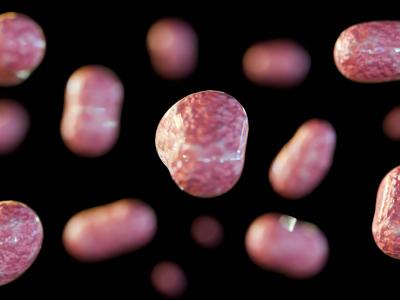
Tularemia is caused by Francisella tularensis (formerly Pasteurella tularensis). Key microbiologic characteristics include the following (see References: CDC/ASM/APHL 2001: Basic protocols for level A laboratories for the presumptive identification of Francisella tularensis; Cross 2000; Penn 2005; Sneath 1986; Wong 1999).
- Tiny, faintly staining, pleomorphic gram-negative rods (0.2-0.5 mcm x 0.7-1.0 mcm); smaller in patient samples than in culture; may be confused with Haemophilus species
- Difficult to see by light microscopy in blood, tissue samples, or other specimens that contain significant background material
- Nonsporulating, nonmotile
- Aerobic (obligatory)
- Requires cysteine (or cystine or another sulfhydryl source) for growth (although atypical strains that lack this requirement have been identified [see References: Bernard 1994])
- Grows on commercial blood culture media, but does not grow (or grows unreliably) on most other standard agar media
- Visible growth on appropriate media requires 2 to 4 days
- Weakly catalase-positive (although may be negative), oxidase-negative
- Thin lipid-rich capsule
- Distinctive cellular fatty-acid profile
Other characteristics of F tularensis include the following:
- Wild-type F tularensis strains generally are susceptible to aminoglycosides (streptomycin, gentamicin, kanamycin), tetracyclines, chloramphenicol, and fluoroquinolones.
- Francisella tularensis strains generally are resistant to beta-lactam antibiotics, owing in part to beta-lactamase activity.
- Organisms can persist for long periods of time in water, mud, and decaying animal carcasses (ie, moist environments).
- Ingestion of F tularensis by environmental amebas may affect the bacterial ecology by:
- Increasing environmental resistance
- Increasing virulence (see References: Berdal 1996)
Subspecies
There are four subspecies of F tularensis. These subspecies can be differentiated by biochemical and molecular tests, and the current taxonomy is as follows (see References: Ellis 2002, Kugeler 2006, Morner 1993, Whipp 2003):
- Francisella tularensis subsp tularensis (type A) (see References: Johansson 2004, Farlow 2005, Petersen 2006, Svensson 2004):
- Highly infectious, generally more virulent, and more genetically diverse than subsp holarctica
- Found primarily in North America
- Demonstrates citrulline ureidase activity
- Produces acid from glycerol fermentation
- Two distinct genetic clades have been identified. The geographic distribution of the two clades in human cases correlates with the distribution of arthropod vectors and rabbit hosts (see References: Farlow 2005):
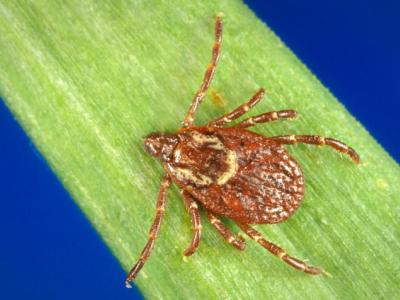
- Clade 1 (aka subpopulation 1, A.I, type A-east) occurs primarily in the central United States, is associated with the distribution of Amblyomma americanum (the Lone Star tick) and Dermacentor variabilis (the American dog tick), and appears to have a high case-fatality rate.
- Clade 2 (aka subpopulation 2, A.II, type A-west) occurs primarily in the western United States, is associated with the distribution of Dermacentor andersoni (the Rocky Mountain wood tick) and Chrysops discalis (the deer fly), and has a low case-fatality rate.
- Strains of both major clades have been fully sequenced (see References: Larsson 2005, Beckstrom-Sternberg 2007).
- Francisella tularensis subsp holarctica (type B): Less virulent than subsp tularensis, does not demonstrate citrulline-ureidase activity, and does not produce acid from glycerol fermentation; three biovars have been identified:
- Biovar I: erythromycin sensitive; primarily found in North America, Europe, Siberia, the Far East, and Kazakhstan
- Biovar II: erythromycin resistant; primarily found in Eurasia
- Biovar japonica: found in Japan
- Francisella tularensis subsp mediasiatica: Found in the Central Asian republics of the former Soviet Union (virulence is similar to subsp holarctica); produces acid from glycerol and thus may be confused with subsp tularensis (see References: Whipp 2003)
- Francisella tularensis subsp novicida: Considered to be of low virulence and generally causes illness only in immunocompromised hosts (see References: Titball 2003) (note: F tularensis and F novicida traditionally have been considered separate species; however, the current approach is to consider F novicida as a subspecies of F tularensis); produces acid from glycerol and thus may be confused with subsp tularensis [see References: Cross 2000, Hollis 1989, Sjostedt 2003, Titball 2003, Whipp 2003])
Other Francisella species
- Other Francisella species may be confused with F tularensis in clinical or environmental samples.
- Francisella philomiragia is the only other taxonomically defined species in the genus other than F tularensis. It is halophilic, rarely associated with human disease, and difficult to identify by conventional methods (see References: Ellis 2002, Friis-Moller 2004, Whipp 2003).
- Undefined Francisella-like bacteria appear to be common in the environment (see References: Barnes 2005).
- Investigators have identified a novel Francisella species in ixodid ticks in some regions. This discovery highlights the need for careful analysis of PCR-based identification (see References: Sreter-Lancz 2008).
Pathogenesis
Virulence factors that contribute to pathogenesis of F tularensis have not been well defined and further studies are needed; however, key points on pathogenesis are outlined below (see References: Ellis 2002, Sjostedt 2003, Titball 2003):
- Francisella tularensis is a facultative intracellular pathogen that multiplies predominantly within macrophages. The organisms initially enter macrophages through phagocytosis by a novel process of engulfment within asymmetric pseudopod loops and then disrupt the phagosomal membrane to gain direct access to the cytoplasm (see References: Clemens 2004).
- Francisella tularensis virulence is determined in part by the ability of the organisms to replicate within macrophages. Bacteria are released from the macrophage following cell death by apoptosis. A recent study using a murine model demonstrated high levels of F tularensis in the plasma of infected mice. On the basis of this finding, the authors suggest that F tularensis in the blood of infected hosts is taken up by and replicates within leukocytes and eventually escapes into the plasma, where it propagates a cycle of infection, escape, and reinfection (see References: Forestal 2007).
- The capsule appears to be necessary to protect against serum-mediated lysis but is not required for survival following phagocytosis.
- The lipopolysaccharide (LPS) does not exhibit the properties of a classic endotoxin and demonstrates low toxicity in vivo and in vitro, although LPS may have a role in macrophage growth.
- The presence of type IV pili appears to be a virulence factor and may be particularly important for F tularensis infections that occur via the peripheral route. Direct repeat-mediated deletion of genes coding for type IV pili results in major virulence attenuation (see References: Forslund 2006).
Pathologic features for the various clinical syndromes caused by F tularensis have been described and are briefly summarized below.
Pneumonic Tularemia
Organisms enter the lungs either through inhalation of infectious aerosols or through hematogenous spread. The infectious dose by the respiratory route is 10 to 50 organisms (see References: Franz 1997, Saslow 1961).
Once in the lungs, the organisms rapidly enter pulmonary macrophages (within minutes) and begin replicating. The explosive replicative capacity of F tularensis appears to be an important factor in virulence associated with pulmonary infection (see References: Malik 2006). An intense accumulation of inflammatory cells, particularly neutrophils and macrophages, can be seen at sites of bacterial replication. The influx of neutrophils appears to play more of a destructive than protective role in the host response.
The following features have been noted for pneumonic tularemia (see References: Lillie 1937, Stuart 1945, Syrjala 1986):
- Ulcerative bronchitis and bronchiolitis
- Hemorrhagic edema with a nonspecific inflammatory response consisting of lymphocytes, plasma cells, and eosinophils (early in the clinical course)
- Discrete nodules with acute suppurative necrosis of lung parenchyma
- Alveolar exudates involving mononuclear cells, fibrin, and red blood cells
- Nodular, segmental, or lobar consolidation
- Caseous or cavitary lesions (later in the clinical course)
- Granuloma formation (late in the clinical course)
- Pleural fibrinous, fibrinocellular, or fibrinocaseous exudation
- Hilar lymphadenopathy
Glandular and Ulceroglandular Tularemia
In both glandular and ulceroglandular tularemia, organisms enter the skin through the bite of infective arthropods, direct contact with infectious materials (such as contaminated carcasses), or percutaneous inoculation with a sharp object (such as a bone fragment from a contaminated carcass).
- Organisms can enter through inapparent breaks in the skin surface.
- The infectious dose for humans following percutaneous or inhalational inoculation is 10 to 50 organisms (see References: Cross 2000, Penn 2005).
- In the ulceroglandular form, the organisms proliferate locally and cause a papule to develop at the site of inoculation within 3 to 5 days after initial exposure (see References: Cross 2000, Penn 2005).
- The papule develops as a result of a localized inflammatory response that involves fibrin, neutrophils, macrophages, and T lymphocytes.
- The initial inflammatory nidus becomes necrotic and degenerates over the next several days, thereby forming a tender ulcerated lesion at the site of the papule.
- The ulcer is typically 2 to 4 cm in diameter and has an irregular and raised border.
- A dark scab (which may resemble the characteristic eschar of anthrax) may occur over the area of ulceration.
- Organisms spread from the site of inoculation to regional lymph nodes, where they cause necrotizing lymphadenitis surrounded by a neutrophilic and granulomatous inflammatory infiltrate (see References: CDC: Medical examiners, coroners, and biologic terrorism: A guidebook for surveillance and case management). Granulomas may develop in lymph nodes as the inflammatory process progresses; these may eventually coalesce to form abscesses. Follicular hyperplasia and inflammatory cell infiltrates involving predominantly granulocytes often are noted (see References: Sutinen 1986).
- Affected lymph nodes may become fluctuant, rupture, and sometimes create draining sinus tracts in the skin.
- Organisms may disseminate via hematogenous spread to involve multiple organs, and sepsis syndrome can occur.
- In glandular tularemia, regional lymph node involvement occurs, but ulceration at the site of inoculation is absent.
Oculoglandular Tularemia
- Organisms gain entry via the conjunctiva.
- Superficial necrosis and ulceration of the conjunctiva occur, often accompanied by lymphocytic infiltration. Papules also may be noted (see References: Lillie 1937).
- Granulomatous nodules may develop over time (see References: Lillie 1937).
- Organisms spread from the conjunctiva to the preauricular, submandibular, or cervical lymph nodes, where they cause focal necrosis and lesions similar to those noted with ulceroglandular tularemia.
- Infection most commonly is unilateral.
Oropharyngeal Tularemia
- Organisms enter the mucous membrane of the oropharynx following ingestion or inhalation of organisms.
- Exudative pharyngitis or tonsillitis usually occurs, and ulcers may develop.
- Organisms spread to the cervical lymph nodes where necrosis and suppuration may occur.
Typhoidal Tularemia
- Typhoidal tularemia involves a systemic illness without anatomic localization of infection.
- Organisms enter the bloodstream through breaks in the skin or through mucous membranes and may affect the lungs and reticuloendothelial organs (ie, lymph nodes, liver, spleen, bone marrow).
- Necrotic foci can occur in any involved organ, and caseating granulomas may develop.
- Sepsis may occur, leading to shock, organ system failure, adult respiratory distress syndrome, and disseminated intravascular coagulation.
Epidemiology
Reservoirs/Vectors/Modes of Transmission
Reservoirs
Small and medium-sized mammals are the principal natural reservoirs for F tularensis. Examples include (see References: Dennis 1998, Gelman 1961, Hopla 1974):
- Lagomorphs (rabbits, hares) (predominantly North America, Europe, Japan)
- Aquatic rodents (beaver, muskrats, water voles)
- Field voles
- Water and wood rats
- Squirrels
- Lemmings (former Soviet Union, Sweden, Norway)
- Meadow and field mice (predominantly former Soviet Union)
Humans, other mammalian species (eg, cats, dogs, cattle, primates), and some species of birds, fish, and amphibians are incidental hosts.
- A recent serologic survey of 91 cats in Connecticut and New York found that 12% had antibody to F tularensis (see References: Magnarelli 2007).
- An outbreak of tularemia in commercially distributed prairie dogs was recognized in the United States in 2002 (see References: CDC: Outbreak of tularemia among commercially distributed prairie dogs, 2002; Petersen 2004). Serologic testing of potentially exposed persons demonstrated that one person (an animal handler) had a positive F tularensis titer of 1:128 on initial testing that subsequently declined to 1:32 on follow-up testing at 4 and 6 months, suggesting prairie dogto-human transmission (see References: Avashia 2004).
- Outbreaks also have occurred in nonhuman primates housed outdoors. In a German primate facility, 18 of 35 cynomolgus monkeys (Macaca fasicularis) contracted tularemia within a 2-year period; six of the animals died (see References: Matz-Rensing 2007).
Information from studies conducted on Martha's Vineyard suggest that F tularensis can persist in the environment and that persons can acquire infection by engaging in activities that lead to aerosolization (such as lawn mowing, weed-whacking, and using a power blower) (see References: Feldman 2001, Feldman 2003). A recent analysis of sera from a variety of mammals on Marthas Vineyard found that skunks and raccoons were frequently seroreactive (49% of skunks tested and 52% of raccoons), whereas white-footed mice, cottontail rabbits, deer, rats, and dogs were much more likely to be seronegative (see References: Berrada 2006).
During the fall and winter of 2003, F tularensis was identified on several filters from a biodetection air-monitoring system in Houston, Texas (see References: CIDRAP News 2003). An investigation conducted at that time supported contamination of the filters by naturally occurring F tularensis organisms, although the environmental reservoir was not definitively identified. As with the studies on Martha's Vineyard, these findings support persistence of F tularensis in the environment over time.
Francisella tularensis appears to survive within Acanthamoeba (a relatively ubiquitous protozoa), suggesting that these organisms may serve as a reservoir for F tularensis. Survival within Acanthamoeba may provide a mechanism for F tularensis to persist in the environment (see References: Abd 2003).
Vectors
- A number of different arthropod vectors that transmit F tularensis have been identified (see References: Dennis 1998, Hopla 1974).
- Primary vectors are ticks (United States, former Soviet Union, and Japan), mosquitoes (former Soviet Union, Scandinavia, and the Baltic region), and biting flies (United States [particularly Utah, Nevada, and California] and former Soviet Union). Examples of specific species include:
- Ticks: Amblyomma americanum (Lone Star tick), Dermacentor andersoni (Rocky Mountain wood tick), D variabilis (American dog tick), Ixodes scapularis, Ixodes pacificus, and Ixodes dentatus
- Mosquitoes: Aedes cinereus and Aedes excrucians
- Biting flies: Chrysops discalis (deer fly), Chrysops aestuans, Chrysops relictus, and Chrysozona pluvialis
Modes of transmission
The average incubation period is 3 to 5 days. Francisella tularensis can be transmitted to humans via various mechanisms:
- Bites by infected arthropods (see References: Klock 1973, Markowitz 1985)
- Handling of infectious animal tissues or fluids (see References: Young 1969)
- Ingestion of contaminated food or water (see References: Greco 1987, Mignani 1988, Reintjes 2002); murine models have confirmed that F tularensis is an effective oral pathogen and may pose a hazard, particularly to immunocompromised individuals if ingested in contaminated food or water (see References: KuoLee 2007)
- Possibly direct contact with contaminated soil or water
- Inhalation of infectious aerosols, including dust from contaminated hay (see References: Dahlstrand 1971) and aerosols generated by lawn mowing and brush cutting (see References: Feldman 2001, Feldman 2003)
- Exposure in the laboratory setting (eg, inhalation of infectious aerosols, handling cultures or other infectious materials, accidental percutaneous exposure) (see References: Overholt 1961, Pike 1976)
Person-to-person transmission has not been documented.
Naturally Occurring Tularemia in the United States
Historical perspective
- Colloquial terms for human illness associated with F tularensis include "rabbit fever," "deerfly fever," and "lemming fever."
- Most US cases in recent years have been associated with bites from infected arthropods, although rabbits, hares, and other small mammals continue to be major sources of exposure for cases in the southeastern United States (see References: Dennis 1998).
- During the 1930s, 2,000 or more cases were reported annually. Since that time, reported case numbers have gradually declined.
- During the 1990s, the mean number of cases reported each year was 124 (although this number likely does not reflect actual incidence since many cases either are not reported or are not accurately diagnosed) (see References: CDC: TularemiaUnited States, 1990-2000). States with the highest number of reported cases during these years included Arkansas, Missouri, Oklahoma, Kansas, South Dakota, and Montana. Martha's Vineyard also had a high number of identified cases. Reported incidence rates were higher in males than in females, with the highest rates reported for children 5 to 9 years old and persons 75 to 84 years of age.
- Traditionally most cases have occurred in rural or semirural environments; cases rarely occur in urban settings.
- In the United States, cases occur most commonly between May and August, although cases can occur during any time of year (see References: CDC 2002).
- Data from a study of cases in the United States from 1964 through 2004 indicate that type A and type B infections differ in terms of affected populations, anatomic site of isolation, and geographic distribution. Molecular subtyping and pulsed-field gel electrophoresis defined two clades of type A organisms (type A-east [clade A1], type A-west [clade A2) that differ in geographic distribution, disease outcome, and transmission (see References: Staples 2006).
- Type A-west infections were less severe than either type B or type-A east infections. The case fatality rate for type A-east was 14%, for type B was 7%, and for Type A-west was 0%.
- Type A-west infections occurred predominantly in the arid regions of the southwestern United States.
- Type B infections clustered along major waterways, including the upper Mississippi River, and areas with high rainfall, such as the Pacific Northwest.
- Type A-east infections occurred in Arkansas, Missouri, Oklahoma, and along the Atlantic Coast east of the Appalachians.
- Occasionally, more than one clade or subtype can be identified in a localized outbreak. In a deer-fly associated outbreak involving five human cases in Utah in 2007, human infections arose from either type A-east or type A-west. Animal carcasses collected in the area harbored type A-west, type A-east, or type B organisms (F tularensis subsp holarctica) (see References: Petersen 2008).
- Climate change may affect future distribution of tularemia: Modeling studies suggest that, as the climate warms, the southern border of tularemia distributions in the United States will shift northward about 600 km. This could mean a reduced incidence in the south central United States (eg, Louisiana, Mississippi) and a greater incidence in north central states (eg, Michigan to North Dakota) (see References: Nakazawa 2007). Combined environmental and tularemia-incidence data have been used to develop a multivariate logistic regression model for predicting areas that have increased disease risk (see References: Eisen 2008).
Outbreaks
Outbreaks of tularemia occasionally have been recognized in the United States; examples include the following.
- Martha's Vineyard, 2000: Fifteen cases of tularemia were reported; 11 patients had primary pneumonic disease and one patient died (see References: Feldman 2001). Illness was caused by F tularensis, type A. Patients were more likely than controls to have used a lawn mower or brush cutters in the 2 weeks before illness onset.
- South Dakota, 1984: Twenty cases of glandular tularemia were reported in children and young adults on Crow Creek Indian reservations in the state (see References: Markowitz 1985). Illness was mild (fever, headache, and lymphadenopathy) and was presumably caused by F tularensis, type B. A similar outbreak occurred in 1979 on the Crow Indian Reservation in Montana, where 12 cases were identified (see References: Schmid 1983: Clinically mild tularemia associated with tick-borne Francisella tularensis).
- Utah, 1971: Thirty-nine cases of tularemia were reported; most patients contracted illness from the bite of an infected deerfly (see References: Klock 1973). Clinical features included cutaneous ulcers at the site of a bite, lymphadenopathy, fever, chronic malaise, and weakness; all patients recovered. Strain type was not reported.
- Vermont, 1968: Forty-seven cases of tularemia were diagnosed in persons who had handled muskrats in the 4 weeks before illness onset (see References: Young 1969). No fatalities were reported, but 14 patients had a severe prostrating illness that lasted an average of 10 days. Strain type was not reported.
Naturally Occurring Tularemia Worldwide
- Outside the United States, the incidence of disease is highest in Scandinavian countries and Russia (see References: Dennis 1998). In central Europe, analysis of populations in low-risk areas suggests that the disease incidence may be seriously underestimated (see References: Splettstoesser 2008).
- Tularemia is endemic in neoarctic and paleoarctic regions between the latitudes of 30° and 71° N (ie, North America, Europe, states of the Russian Federation, China, and Japan [see References: Dennis 1998]).
- Outbreaks involving a number of countries in Europe and nearby regions have been reported (see References: Christenson 1984, Dahlstrand 1971, Eliasson 2002, Greco 1987, Gurycova 2006, Kantardjiev 2006, Perez-Castrillon 2001, Reintjes 2002, Siret 2006, Syrjala 1985). Highlights include the following:
- Sweden periodically has years of heavy tularemia activity. In 2003, 698 cases were reported, with a peak in August (300 cases) and September (164 cases). Other years of heavy activity include 1967, 1970, 1981, and 2000 (see References: Payne 2005). A large outbreak (90 cases) occurred in central Sweden in 2006 (see References: Wik 2006).
- An outbreak in the Castilla y Leon region of Spain resulted in more than 500 cases of tularemia in the fall of 2007. The outbreak is thought to have arisen from unusual climatic and environmental circumstances, which produced suitable conditions for propagation of F tularensis. Many of the cases were involved in harvesting and related farm work, which likely contributed to production of aerosols that transported the bacteria (see References: Allue 2008).
- Outbreaks occurred in three provinces in northwestern Turkey in February 2004 and again in February 2005 after a 60 year hiatus. Epidemiologic and environmental findings suggested that contaminated water or food was the cause (see References: Celebi 2006, Gurcan 2006).
Tularemia as a Biological Weapon
The following information supports the use of F tularensis as a potential biological weapon (see References: Christopher 1997; Dennis 2001; CDC: Tularemia Fact Sheet; WHO: Health aspects of chemical and biological weapons).
- During World War II, the Japanese conducted research on F tularensis as a biological weapon.
- During the 1950s and 1960s, the United States developed weapons that could deliver aerosolized F tularensis organisms. The United States government stockpiled weaponized tularemia until stockpiles were destroyed in 1973.
- The former Soviet Union also weaponized F tularensis; the Soviet program included development of antibiotic- and vaccine-resistant strains.
- In 1969, the World Health Organization estimated that an aerosol dispersal of 50 kg of virulent F tularensis over a metropolitan area with 5 million inhabitants in a developed country would result in 250,000 illnesses, including 19,000 deaths
The most likely form of intentional release for F tularensis organisms would be via infectious aerosols. An aerosol release would be expected to cause the following clinical syndromes:
- Many of the patients would present with primary pneumonic tularemia; however, some would present with a nonspecific febrile illness of varying severity (ie, typhoidal tularemia).
- Cases of oculoglandular tularemia could occur from eye contamination.
- Cases of glandular or ulceroglandular disease could occur through exposure of broken skin to infectious aerosol.
- Cases of oropharyngeal disease also could occur through inhalation of organisms.
An outbreak of tularemia caused by a bioterrorist attack would be expected to have the following features:
- The incubation period generally correlates with the virulence of the infecting strain; in a bioterrorist attack, a highly virulent strain with a relatively short incubation period likely would be used. Illness onsets would generally occur 3 to 5 days after the initial release but could occur as soon as 1 day and up to 14 days later.
- Illness would probably occur in an urban area and not in rural regions (where naturally occurring tularemia would be more prevalent).
- Patients would not have risk factors for tularemia exposure (eg, outdoor field work, recent outdoor recreational activity, agricultural exposures, exposure to tissues of potentially infected animals).
In the event of a bioterrorist attack, use of F tularensis strains with enhanced virulence or antimicrobial resistance is of concern; therefore, past experience may not be a valuable predictor of disease severity under such circumstances.
Some animals might serve as sentinels of certain bioterrorism agents, including Bacillus anthracis and Yersinia pestis. While animals are not likely to provide early warning for a bioterrorist event cause by F tularensis, a recent review indicates that animals (such as prairie dogs, other rodents, raccoons, skunks, and cats) could serve as markers for ongoing exposure risk following a tularemia bioterrorist event or could propagate or maintain an epidemic (see References: Rabinowitz 2006).
Clinical Syndromes and Differential Diagnosis
Clinical Syndromes
Overview
Francisella tularensis infection can cause the following clinical syndromes (see References: Dennis 1998):
- Ulceroglandular tularemia (45% to 85% of naturally occurring cases)
- Glandular tularemia (10% to 25% of naturally occurring cases)
- Pneumonic tularemia (<5% of naturally occurring cases, although outbreaks following inhalational exposure have been reported; secondary pneumonia [often associated with the typhoidal form] occurs relatively frequently and results from hematogenous spread to the lungs)
- Oculoglandular tularemia (<5%)
- Oropharyngeal tularemia (<5%)
- Typhoidal tularemia (<5%; although in outbreaks caused by aerosol exposure, this percentage may be much higher)
Tularemia can range from a mild infection to a severe life-threatening illness.
- Before antibiotic therapy was available, the overall case-fatality rate was approximately 7%, although rates as high as 50% were seen with pneumonia and other forms of severe infection (see References: Dennis 2001, Pullen 1945).
- Currently, case-fatality rates are low (approximately 2%) (see References: Evans 1985).
- Most patients respond rapidly to appropriate antibiotic therapy, with fever and generalized symptoms improving in 24 to 48 hours.
- Type A tularemia is more severe than type B, which is generally a mild illness.
- One study identified the following factors as associated with a poor outcome (ie, death, relapse, prolonged recovery) (see References: Penn 1987):
- Underlying comorbidity (eg, alcoholism, diabetes)
- Delay in seeking medical care
- Delay in institution of appropriate antibiotic therapy
Clinical features for the major syndromes caused by F tularensis are outlined in the tables below. Initial signs and symptoms can be relatively nondescript and the diagnosis may be missed (see References: Dembek 2003). Two recent cases of human infection with F tularensis were initially diagnosed as herpes simplex or varicella zoster infection (see References: Byington 2008).
|
Feature |
Characteristics |
|
Incubation period |
3-5 days (range, 1-14 days) |
|
Presenting featuresb |
Patients often present with community-acquired atypical pneumonia nonresponsive to conventional antibiotic therapy |
|
Laboratory features |
Radiographic findings for 50 tularemia patients with pleuropulmonary involvementd: |
|
Complications |
Lung abscesses or cavitary lesions |
|
Case-fatality rate |
Fatalities rare with appropriate antibiotic therapy (reported as 2.3% in one case series of 88 patients with tularemia, about half of whom had pulmonary involvement; both deaths occurred in patients with pneumoniae) |
|
Feature |
Characteristics |
|
Incubation period |
3-5 days (range, 1-14 days) |
|
Presenting featuresa |
Multiple painful yellow conjunctival nodules |
|
Laboratory features |
Generally unremarkable |
|
Complications |
Suppuration of affected lymph nodes |
|
Case-fatality rate |
1 (14.3%) of 7 patients with oculoglandular tularemia among case series of 225 patients reported from pre-antibiotic erac |
|
Feature |
Characteristics |
|
Incubation period |
3-5 days (range, 1-14 days) |
|
Presenting featuresa |
Fever The most common symptoms among 145 patients in Turkeyc:
~Swelling of the neck (92%) |
|
Laboratory features |
Generally unremarkable, although leukocytosis may be present |
|
Complications |
Sepsis syndrome |
|
Case-fatality rate |
Fatalities rare with appropriate antibiotic therapy |
|
Feature |
Characteristics |
|
Incubation period |
3-5 days (range, 1-14 days) |
|
Presenting featuresb |
Fever |
|
Laboratory features |
In one series of 88 patients with tularemia, admission WBCs ranged from 5,000 to 22,000/mm3 (median, 10,400mm3; differential usually normal)c |
|
Complications |
Secondary pneumonia (83% of patients with typhoidal disease in one case seriesc and 50% in anotherd) |
|
Case-fatality rate |
50% in one series of 14 patients with typhoidal tularemia among case series of 225 patients reported from pre-antibiotic erai |
Pediatric Considerations
In general, clinical manifestations of tularemia are similar in children and adults. One report from Arkansas compared type of illness and clinical symptoms between children and adults with naturally occurring tularemia identified in 1983; findings are noted in the following table.
|
Comparison Between Cases of Tularemia in Children and Adults, Arkansas 1983 |
||
|
Type of Disease or Symptoms |
Percentage of Children |
Percentage of Adults |
|
Type of Disease |
||
|
Ulceroglandular |
45 |
51 |
|
Symptoms |
||
|
Lymphadenopathy |
96 |
65 |
According to the American Academy of Pediatrics (AAP), streptomycin, gentamicin, and amikacin are recommended for treatment of children (see References: AAP 2006). Other therapies cited by the AAP include tetracycline and chloramphenicol, although relapse rates are higher with these agents.
Ciprofloxacin has recently been shown to be an effective therapy for tularemia in children (see References: Johansson 2000: Ciprofloxacin for treatment of tularemia in children; Johansson 2002). The drug has been approved only for specific indications in patients younger than 18 years old (see References: AAP 2006).
See the section on Treatment of Tularemia for specific drug regimens.
Differential Diagnosis
|
Conditiona,b |
Distinguishing Features |
|
Bubonic plague (Yersinia pestis) |
Clinical course often fulminant |
|
Cat-scratch disease (Bartonella henselae) |
History of contact with cats; usually history of cat-scratch |
|
Mycobacterial infection, including scrofula (Mycobacterium tuberculosis and other Mycobacterium species) |
With scrofula, adenitis occurs in cervical region |
|
Sporotrichosis (Sporothrix schenckii) |
Lymph nodes generally painless and nontender |
|
Streptococcal or staphylococcal adenitis (Staphylococcus aureus, Streptococcus pyogenes) |
Site of initiating infection often present distal to involved nodes (ie, pustule, infected traumatic lesion) |
|
Chancroid (Haemophilus ducreyi) |
Adenitis occurs in inguinal region only |
|
Lymphogranuloma venereum (Chlamydia trachomatis) |
Adenitis occurs in inguinal region only |
|
Primary genital herpes |
Herpes lesions in genital area |
|
Secondary syphilis (Treponema pallidum) |
Enlarged lymph nodes in inguinal region only |
|
Condition |
Distinguishing Features |
|
Anthrax (Bacillus anthracis) |
Painless ulcer that develops into black eschar over several days |
|
Orf (orf virus, a parapox virus) |
Occurs in farm workers |
|
Pasteurella infections (Pasteurella multocida) |
History of dog or cat exposure (animal bite or licking of open wound) |
|
Primary syphilis (Treponema pallidum) |
Characterized by painless ulcer (chancre) in genital area |
|
Rat-bite fever (Spirillum minus)a |
Infection caused by S minus occurs in Asia |
|
Rickettsialpox (Rickettsia akari) |
Initial presentation involves painless papule which forms black eschar |
|
Scrub typhus (Orientia tsutsugamushi; formerly Rickettsia tsutsugamushi) |
Zoonotic infection from chigger bites |
|
Staphylococcal or streptococcal cellulitis (S aureus, S pyogenes) |
May be history of trauma or preexisting lesion at site of infection |
|
Conditiona,b |
Distinguishing Features |
|
Community-acquired bacterial pneumonia |
Legionellosis and many other bacterial agents (S aureus, S pneumoniae, H influenzae, K pneumoniae, M catarrhalis) usually occur in persons with underlying pulmonary or other disease or in elderly |
|
Inhalational anthrax (Bacillus anthracis) |
Widened mediastinum and pleural effusions seen on CXR or chest CT |
|
Pneumonic plague (Yersinia pestis) |
Hemoptysis commonly occurs |
|
Q fever (Coxiella burnetii) |
Exposure to infected parturient cats, cattle, sheep, goats |
|
Tuberculosis (Mycobacterium tuberculosis) |
More common among elderly or among persons who have lived in tuberculosis-endemic countries (ie, developing world, countries of former Soviet Union) |
|
Viral pneumonia |
Influenza generally seasonal (October-March in United States) or involves history of recent cruise ship travel or travel to tropics |
|
Conditiona,b |
Distinguishing Features |
|
Adenoviral infection (adenovirus) |
Generally not associated with regional lymphadenopathy |
|
Cat-scratch disease (Bartonella henselae) |
Watery discharge, granulomatous conjunctival nodule, chemosis |
|
Coccidioidomycosis (Coccidioides immitis) |
Granulomatous conjunctival nodule with small areas of necrosis |
|
Herpes infection (herpes simplex virus) |
Causes characteristic dendritic keratitis in addition to conjunctivitis |
|
Pyogenic bacterial infections |
Mild cases not associated with regional lymphadenopathy |
|
Sporotrichosis (Sporothrix schenckii) |
Firm chancre in skin of eyelid, yellow conjunctival nodules, subcutaneous nodules along lymphatics |
|
Syphilis (Treponema pallidum) |
Conjunctival ulcer with indurated margin and gray base |
|
Tuberculosis (Mycobacterium tuberculosis) |
Small conjunctival ulcer embedded in nodule |
|
Conditiona |
Distinguishing Features |
|
Streptococcal pharyngitis (Streptococcus pyogenes) |
Responds to penicillin therapy |
|
Infectious mononucleosis (Epstein-Barr virus) |
Most common in young adults |
|
Adenoviral infection (adenovirus) |
Occurs mostly in children and young adults |
|
Diphtheria (Corynebacterium diphtheriae) |
Primarily occurs in nonimmune children under 15 yr of age |
|
Condition |
Distinguishing Features |
|
Typhoidal tularemia without sepsisa |
|
|
Brucellosis (Brucella abortus and other Brucella species) |
Usually history of contact with tissues, blood, aborted fetuses of infected animals (cattle, swine, goats, sheep) |
|
Disseminated mycobacterial or fungal infection |
Underlying illness usually present |
|
Endocarditis |
Features of endocarditis (eg, cardiac murmur, embolic phenomenon) often present |
|
Leptospirosis (Leptospira interrogans) |
History of exposure to infected animals or to water or soil contaminated with urine from infected animals |
|
Pontiac fever (Legionella pneumophila) |
Often mild clinical illness; does not require antibiotic therapy |
|
Malaria (Plasmodium species) |
History of travel to malaria-endemic area usually present |
|
Q fever (Coxiella burnetii) |
Exposure to infected parturient cats, cattle, sheep, goats |
|
Typhoid fever (Salmonella typhi) |
Symptoms of enterocolitis and abdominal pain may be more prominent with typhoid fever than with typhoidal tularemia |
|
Typhoidal tularemia with sepsis |
|
|
Meningococcemia (Neisseria meningitidis) |
Rapid progression to shock and often death |
|
Septicemic plague (Yersinia pestis) |
Often secondary to bubonic plague (characteristic bubo present in groin, axilla, or cervical region) |
|
Septicemia caused by other gram-negative bacteria |
Underlying illness usually present |
|
Staphylococcal or streptococcal TSS (Staphylococcus aureus, Streptococcus pyogenes) |
Streptococcal TSS may be associated with necrotizing fasciitis |
Clinical Laboratory Testing
Specimen Collection and Transport
- Because F tularensis may grow in conventional culture media, thus posing danger to laboratory personnel, the ordering physician should immediately notify the laboratory if the diagnosis of tularemia is suspected. Delay in such notification can lead to unnecessary exposure of laboratory personnel (see References: Shapiro 2002).
- Advance notification also may increase the likelihood of detection, as use of special culture media can improve recovery of the organism.
|
Collection and Transport of Clinical Specimens for Diagnosis of Tularemia |
|
|
Site |
Specimen Collection and Transporta,b |
|
Blood |
Collect volume and number of sets per established laboratory protocol. |
|
Ulcer, other tissue specimens |
Collect biopsy (preferred), scraping, swab, or aspirate of ulcer, lymph node, or other involved tissue. |
|
Other |
Respiratory specimens (pleural fluid, sputum), gastric washings, or corneal scraping (oculoglandular tularemia) can be sent for culture. |
|
Environmental samples |
Environmental samples should only be collected in context of epidemiologic investigation. |
Guidelines have been published for packing and shipping of infectious substances, diagnostic specimens, and biological agents from suspected bioterrorism (see References: ASM: Sentinel laboratory guidelines for suspected agents of bioterrorism: packing and shipping infectious substances, diagnostic specimens, and biological agents). F tularensis is classified under World Health Organization (WHO) risk group 4. Isolates that are reasonably suspected to contain F tularensis must be transported as "infectious substances." International Air Transport Association (IATA) rules require training of all individuals involved in the transport of dangerous goods, including infectious substances. Once F tularensis is identified, isolates and specimens are regulated as select agents and are subject to additional transport requirements (see below). Chain-of-custody should be documented for material that may constitute evidence of criminal activity.
Laboratory Biosafety and Biosecurity Information
- Francisella tularensis remains an important potential cause of laboratory-acquired infections (see References: Pike 1976) owing in part to the very low infectious dose (ie, as low as 10 organisms by aerosol exposure or inoculation).
- The agent may be present in virtually any human specimen, tissues from infected animals, and fluids from infected arthropods.
- Recognized laboratory hazards include the following (see References: CDC: Biosafety in microbiological and biomedical laboratories):
- Exposure to infectious aerosols or droplets through manipulation of cultures
- Direct contact of skin or mucous membranes with infectious materials
- Accidental parenteral inoculation
- Accidental ingestion
- Manipulation of cultures presents the greatest risk to laboratory workers.
- Recommended laboratory precautions include the following (see References: CDC: Biosafety in microbiological and biomedical laboratories):
- Biosafety level 2 (BSL-2) practices, containment equipment, and facilities (which are present in most hospital clinical laboratories) are recommended for activities with clinical materials of human or animal origin containing or potentially containing F tularensis.
- Biosafety level 3 (BSL-3) practices, containment equipment, and facilities are recommended for all manipulations of cultures and for experimental animal studies.
- Vaccination is not recommended for LRN sentinel laboratory personnel (see References: CDC: Laboratory Information > Biosafety > Vaccines).
- Laboratory safety practices associated with F tularensis and other potential agents of bioterrorism have been reviewed elsewhere (see References: Sewell 2003).
- Francisella tularensis is classified as a select agent and therefore is regulated under 42 CFR part 73 (Possession, Use, and Transfer of Select Agents and Toxins), which was published as a Final Rule in the Federal Register in 2005 (see References: HHS 2005). As specified in the Public Health Security and Bioterrorism Preparedness and Response Act of 2002, 42 CFR part 73 provides requirements for laboratories that handle select agents (including registration, security risk assessments, safety plans, security plans, emergency response plans, training, transfers, record keeping, inspections, and notifications). For more information about CDC's Select Agent Program, see References: CDC: Select Agent Program. In addition, CDC recently published additional guidelines for enhancing laboratory security for laboratories working with select agents (see References: CDC: Laboratory security and emergency response guidance for laboratories working with select agents).
- One report demonstrated that delay in appropriate identification of F tularensis led to the potential exposure of 12 microbiology laboratory workers (11 of whom received prophylactic antibiotics; the other was pregnant and was placed on fever watch) (see References: Shapiro 2002). The authors suggested that when an organism is initially recognized as having the following properties, further work with the organism should be performed within a biological safety cabinet by a technologist wearing gloves and a gown until the organism is further identified:
- Small poorly staining gram-negative rods seen mostly as single cells which yield mostly pinpoint colonies on chocolate agar and often sheep agar at 48 hours
- No growth on MacConkey or eosin-methylene blue agar
- Oxidase-negative with a negative or weakly positive catalase test
- A negative satellite test
- Isolates that grow only on buffered chocolate yeast extract and chocolate agar
The Laboratory Response Network (LRN)
The Laboratory Response Network (LRN) is a national network of approximately 150 laboratories. The network includes the following types of labs: federal, state and local public health, military, food testing, environmental, veterinary, and international (located in Canada, the United Kingdom, and Australia) (see References: CDC: Facts about the Laboratory Response Network).
The LRN structure for bioterrorism designates laboratories as either national, reference, or sentinel. Designation depends on the types of tests a laboratory can perform and how it handles infectious agents to protect workers and the public.
- National laboratories have unique resources to handle highly infectious agents and the ability to identify specific agent strains.
- Reference laboratories, sometimes referred to as confirmatory reference, can perform tests to detect and confirm the presence of a threat agent. These laboratories ensure a timely local response in the event of a terrorist incident. Rather than having to rely on confirmation from laboratories at CDC, reference laboratories are capable of producing conclusive results; this allows local authorities to respond quickly to emergencies. These are mostly state or local public health laboratories with BSL-3 containment facilities that have been given access to nonpublic testing protocols and reagents.
- Sentinel laboratories represent the thousands of hospital-based labs that are on the front lines. Sentinel laboratories have direct contact with patients. In an unannounced or covert terrorist attack, patients provide specimens during routine patient care. Sentinel laboratories could be the first facility to spot a suspicious specimen. A sentinel laboratorys responsibility is to refer a suspicious sample to the right reference laboratory. These laboratories generally have at least BSL-2 containment.
Standard Tests for Detection of F tularensis
Direct stains for bacterial micromorphology
- LRN-approved Gram stain (see References: CDC/ASM/APHL 2001: Basic protocols for level A laboratories for the presumptive identification of Francisella tularensis; Cross 2000; Sneath 1986; Wong 1999):
- Tiny, faintly staining, pleomorphic gram-negative rods (0.2-0.5 mcm X 0.7-1.0 mcm) are noted; cells are smaller than those of Haemophilus species.
- The sensitivity of Gram stain is limited in samples that contain background material (eg, blood, sputum, biopsy tissue).
- Organisms are nonsporulating.
- Tissue stains: F tularensis may be visualized in fixed tissues or impression smears with May-Grunwald-Giemsa, phenol thioni, or modified Dieterle spirochete stain (see References: Gallivan 1980, OIE 2004).
Bacteriologic culture
- Approved for LRN sentinel laboratories.
- Standard procedures for culture are as follows (see References: CDC/ASM/APHL: Basic protocols for level A laboratories for the presumptive identification of Francisella tularensis; Wong 1999):
- Culture setup procedure: Use standard routine protocols for specimen type.
- In addition, add cysteine-supplemented media, such as chocolate agar (CA) with IsoVitaleX or buffered charcoal yeast extract agar (BCYE).
- Cysteine heart agar supplemented with 9% heated sheep red blood cells (CHAB) was mentioned in earlier CDC protocols but was excluded from current level A protocols (see References: CDC/ASM/APHL: Basic protocols for level A laboratories for the presumptive identification of Francisella tularensis).
- Selective, enriched media such as Thayer Martin (TM) media improves isolation from contaminated samples.
- Organisms do not grow on MacConkey or eosin-methylene blue (EMB) agars; they may grow initially on sheep blood agar (SBA) but not on subculture.
- Tape plates shut if F tularensis is suspected.
- Optimal growth conditions include 35oC to 37oC at ambient atmosphere in contrast to Y pestis, which grows faster at 28oC. Use of 5% CO2 is acceptable).
- Incubation time generally is 5 days (7 days if the patient has been treated with a bacteriostatic antibiotic).
- Colony morphology at 24 hours is too small to be seen.
- At 48 hours, colonies are 1 to 2 mm in diameter, white to gray to bluish-gray, opaque, flat, and smooth with an entire edge and shiny surface.
- Francisella tularensis typically grows slowly in broth media, requiring a minimum of 10 days of incubation without shaking for detection (see References: Ellis 2002).
|
Colonies on chocolate agar, 72 hours. From CDC/ASM/APHL: Basic protocols for level A laboratories for the presumptive identification of Francisella tularensis [see References]). |
Biochemical screening
- Approved for LRN sentinel laboratories (see References: CDC/ASM/APHL: Basic protocols for level A laboratories for the presumptive identification of Francisella tularensis).
- Isolates identified as F tularensis (or isolates that cannot be ruled out as F tularensis) should be forwarded to aLRN reference laboratory for confirmatory testing.
- Biochemical screening tests:
- Oxidase-negative
- Weakly catalase-positive (although may be negative)
- Urea-negative
- Nitrate-negative
- Nonmotile
- Beta-lactamase-positive
- Satellite or XV test-negative (unlike Haemophilus species)
- Attempts at identification of organisms with the above microscopic, colony, and biochemical characteristics should not be attempted. [Note: This is extremely important because of the potential for generation of infectious aerosols and because of the potential for misidentification].
- Commercial identification tests:
- The Vitek NHI card may identify F tularensis as Actinobacillus actinomycetemcomitans with as high as a 99% confidence level.
- Other considerations for LRN sentinel laboratories:
- If tularemia is initially suspected, the sentinel laboratory should consult with the state public health laboratory director (or designate) prior to or concurrent with testing.
- The laboratory should communicate immediately with the state public health laboratory director (or designate), the infection control department at the hospital, and the attending physician if F tularensis cannot be ruled out.
- If a bioterrorist release is suspected, the original specimens should be preserved pursuant to a potential criminal investigation. In such situations, the public health department, in conjunction with the FBI or local law enforcement as necessary, will arrange for transport of specimens and/or isolates to a higher-level LRN laboratory.
Additional Tests for Detection, Confirmation, and Characterization of F tularensis
CDC has approved the following tests for detection of F tularensis at various levels of the LRN.
Selected tests approved for LRN reference laboratories
- Direct fluorescent antibody (DFA) stain
- Slide agglutination
- Antimicrobial susceptibility testing
- Biochemical identification/characterization
- Serology (antibody detection)
- Environmental specimen evaluation
- PCR
- Mouse inoculation
- Cellular fatty acid analysis
- Molecular-based subtyping tests
Selected tests approved for LRN national laboratories
- Immunohistochemistry (IHC)
Other described tests for F tularensis
A wide variety of other tests for F tularensis detection have been developed. These include new serologic tests, PCR tests (including multiplex PCR), 16S rRNA sequencing, time-resolved fluorometry (TRF) assay, and molecular subtyping.
Hand-held immunochromatographic assays have been described and are commercially available, but detection limits appear to be higher than PCR or cELISA assays (see References: Alexeter Technologies; Grunow 2000; New Horizons Diagnostics, Inc).
Antimicrobial susceptibility studies
Two studies have examined antimicrobial susceptibilities of F tularensis strains to various antibiotics. Data from these studies are shown in the table below. The studies were conducted prior to the development of standard methods and interpretive criteria and should be used for comparison purposes only. Only LRN laboratories classified as reference or national should perform susceptibility testing.
The major conclusions from each of the two studies are as follows:
- Ikaheimo 2000 (see References), using 38 human and animal F tularensis subsp holarctica strains; tests conducted using Etest (Biodisk; Solna, Sweden):
- All strains were susceptible to the antibiotics traditionally used to treat tularemia (streptomycin, tetracycline, chloramphenicol) as well as other aminoglycosides (tobramycin, gentamicin) and fluoroquinolones (ciprofloxacin, levofloxacin, grepafloxacin, trovafloxacin).
- All strains were resistant to beta-lactam antibiotics and azithromycin.
- The strains used in this study were F tularensis subsp palearctica (type B), which may not reflect susceptibility patterns of F tularensis subsp tularensis (type A), the more likely agent in a bioterrorism event.
- Baker 1985 (see References), using 13 "glycerol-positive" and 2 "glycerol-negative" strains of F tularensis; tests conducted using broth dilution:
- Aminoglycosides (streptomycin, gentamicin, tobramycin), tetracycline, chloramphenicol, and erythromycin were effective in vitro.
- The authors concluded that several cephalosporins (ceftazidime, cefotaxime, ceftriaxone) were effective in vitro, while other beta-lactam antibiotics were not. They acknowledged, however, that all strains produced beta-lactamase.
|
MICs of Various Antibiotics for Francisella tularensis Isolates as Identified in Two Studies |
||||
|
|
Ikaheimo 2000a |
Baker 1985b |
||
|
Antibiotic |
MIC rangec |
MIC90c |
MIC range |
MIC90 |
|
Ampicillin |
|
|
>8.0 |
>8.0 |
|
Azithromycin |
>256 |
>256 |
|
|
|
Cefotaxime |
|
|
<0.12-4.0 |
4.0 |
|
Cefpirome |
>256 |
>256 |
|
|
|
Ceftazidime |
>256 |
>256 |
<0.5-1.0 |
<0.5 |
|
Ceftriaxone |
>32 |
>32 |
0.5-16.0 |
8.0 |
|
Chloramphenicol |
0.125-0.5 |
0.38 |
<0.25-4.0 |
1.0 |
|
Ciprofloxacin |
0.008-0.023 |
0.016 |
|
|
|
Clindamycin |
|
|
1.0->2.0 |
>2.0 |
|
Erythromycin |
|
|
0.5-2.0 |
2.0 |
|
Gentamicin |
0.38-1.5 |
1.0 |
0.25-2.0 |
2.0 |
|
Grepafloxacin |
0.016-0.047 |
0.047 |
|
|
|
Imipenem |
>32 |
>32 |
|
|
|
Levofloxacin |
0.008-0.023 |
0.016 |
|
|
|
Meropenem |
>32 |
>32 |
|
|
|
Penicillin |
|
|
4.0->8.0 |
>8.0 |
|
Piperacillin-tazobactam |
>256 |
>256 |
|
|
|
Piperacillin |
|
|
<0.5->64.0 |
64.0 |
|
Rifampin |
0.094-0.38 |
0.25 |
<0.03-1.0 |
1.0 |
|
Streptomycin |
0.25-4.0 |
4.0 |
<0.5-4.0 |
4.0 |
|
Tetracycline |
0.094-0.5 |
0.38 |
<0.25-2.0 |
2.0 |
|
Tobramycin |
0.5-2.0 |
1.5 |
<0.12-4.0 |
2.0 |
|
Trovafloxacin |
0.012-0.047 |
0.032 |
|
|
Additional antimicrobial susceptibility studies include the following:
- A study of eight isolates of F tularensis subsp tularensis (type A, the type most likely to be involved in a bioterrorism event) from the United States found them all to be highly susceptible to fluoroquinolones at 0.125 mcg/mL or less (see References: Johansson 2002).
- Resistance of F tularensis to chloramphenicol and tetracycline has been experimentally created in the laboratory by the use of transformed plasmids (see References: Pavlov 1996) .
- In Austria, F tularensis subsp holarctica biovar II strains from 47 hares and three humans were found to be susceptible by Etest to tetracyclines, aminoglycosides, quinolones, chloramphenicol, and rifampicin. Isolates were generally resistant to macrolides, penicillins, azetreonam, cephalosporins, and carbapenems (see References: Tomaso 2005).
- The Clinical and Laboratory Standards Institute recently provided a susceptibility testing method with breakpoints. In total, they tested 169 isolates (92 type A, 77 type B) against seven antimicrobial agents (streptomycin, gentamicin, tetracycline, doxycycline, ciprofloxacin, levofloxacin, and chloramphenicol) used for treating tularemia. The MICs for all of the isolates were within the susceptible range. All isolates had MICs for erythromycin between 0.5 and 4 mcg/mL, in contrast to greater than 256 mcg/mL for the common laboratory strain LVS (see References: Urich 2008).
Treatment, Postexposure Prophylaxis, and Vaccines
Treatment
Available data support the following statements about treatment of tularemia:
- Streptomycin and gentamicin have been shown to be effective and are considered the first-line therapies (see References: AAP 2006, Enderlin 1994, Evans 1985, Hassoun 2006, Mason 1980).
- Ciprofloxacin and other fluoroquinolone antibiotics have been used effectively to treat tularemia, although experience with these medications is somewhat limited to date (see References: Johansson 2000: Ciprofloxacin for treatment of tularemia in children; Limaye 1999). In one outbreak, ciprofloxacin showed a lower treatment failure rate than streptomycin or doxycycline (see References: Perez-Castrillon 2001).
- Tetracycline and chloramphenicol can be used to treat tularemia; however, because these drugs are bacteriostatic, relapses occur more often than with use of aminoglycosides (see References: Evans 1985, Overholt 1961).
The Working Group on Civilian Biodefense has made the following recommendations for treatment of tularemia during a bioterrorist attack (see References: Dennis 2001):
- In a contained casualty setting where the medical care delivery system can effectively manage the number of patients, parenteral antibiotics should be administered to all patients whenever possible, according to the table below.
- In a mass casualty setting where the medical care delivery system is not able to meet the demands for patient care, use of oral antibiotics may be necessary. In such a situation, the medications listed above in the table on antibiotic postexposure prophylaxis should be used and therapy should be continued for 14 days.
- Supportive care of patients also is critical, including fluid management and hemodynamic monitoring as indicated. Some patients would require intensive care with respiratory support owing to complications of gram-negative sepsis (eg, shock, adult respiratory distress syndrome, multisystem failure, disseminated intravascular coagulation).
- Bioterrorist use of an F tularensis strain resistant to conventional antibiotic therapy is of concern and should be considered, particularly if patients deteriorate despite early initiation of antibiotic therapy.
|
Recommendations for Treatment of Tularemia During a Bioterrorism Event |
|
|
Choices by Patient Category |
Therapy Recommendationsa,b |
|
Adults: Preferred choices |
Streptomycin, 1 gm IM twice daily for 10 daysc,d,e |
|
Adults: Alternative choices |
Doxycycline, 100 mg IV twice daily for 14-21 dayse |
|
Children: Preferred choices |
Streptomycin, 15 mg/kg IM twice daily (maximum daily dose, 2 gm) for 10 daysc |
|
Children: Alternative choices |
Doxycycline: |
Some have suggested that doxycycline is a good first choice for treatment, because it has greater efficacy than ciprofloxacin, has less potential for development of resistance, and is less expensive. Patient relapse is possible with this drug, however (see References: Brouillard 2006, Tarnvik 2007).
A recent study of 145 patients with oropharyngeal tularemia showed that 55 (38%) of those treated experienced initial therapeutic failure (defined as persistence or recurrence of fever, persistence of constitutional symptoms, or increase in size or appearance of new lymphadenopathies). Those patients required a second course of antibiotics, usually using an alternative agent. Logistic regression analysis found that initial therapeutic failure was significantly associated with delay of treatment exceeding 14 days and was not associated with the type of antibiotic used initially (see References: Meric 2008).
Postexposure Prophylaxis for Tularemia
One challenge study involving volunteer subjects demonstrated that antibiotic postexposure prophylaxis using tetracycline can prevent disease occurrence among exposed persons if given within 24 hours after challenge (see References: Sawyer 1966).
The Working Group on Civilian Biodefense has made the following recommendations for postexposure prophylaxis of inhalational tularemia during a bioterrorist attack (see References: Dennis 2001):
- If the release of F tularensis becomes known before clinical cases occur (ie, during the incubation period), persons in the exposed population should be placed on prophylactic oral antibiotics (doxycycline or ciprofloxacin) for 14 days, according to the regimens outlined in the table below.
- If the release is covert and does not become apparent until after clinical cases begin to occur, then potentially exposed persons should be placed on a fever watch. Any person in whom a fever or flulike illness develops should be evaluated and placed on appropriate antibiotic therapy (either parenteral [in the contained casualty setting] or oral [in the mass casualty setting]) for treatment of presumptive tularemia.
Decision making around use of postexposure prophylaxis would likely be extremely difficult in situations involving a suspected bioterrorist attack. If an exposed population can be inferred with reasonable probability from the ongoing investigation, strong consideration should be given to providing postexposure prophylaxis, even after clinical cases begin to occur. As noted during the anthrax investigation on Capitol Hill in late 2001, patients initiating prophylaxis may later discontinue it if the investigation subsequently determines that they were not at risk. Careful proactive initiation of postexposure prophylaxis should not be underestimated for its medical, public health, psychological, and political merits in coping with a terrorist attack.
Tularemia Vaccine
- A vaccine against tularemia currently is not available in the United States.
- A vaccine using a live attenuated vaccine strain (LVS) was used in the United States until recently to protect laboratory workers at high risk for F tularensis exposure. An improved LVS preparation has been tested for preclinical safety, tolerability, and immunogenicity in rabbits and is currently being evaluated in human clinical studies (see References: Pasetti 2008).
- Because the incubation period for tularemia is usually 3 to 5 days and immunity following vaccination takes about 2 weeks to develop, postexposure vaccination is not considered a viable public health strategy to prevent disease in the event of a mass exposure.
- It is likely that future work to develop vaccines against F tularensis will focus on subunit vaccines and use of recombinant technology (see References: Sjostedt 2003, Jia 2009). However, developing a new effective vaccine against F tularensis poses several challenges:
- The immunodominant antigens have not been fully identified and characterized.
- The virulence determinants are not well known.
- Generation of both humoral and cellular immune responses appears to be necessary for protection against infection.
Hospital Infection Control (Including Autopsies and Burial)
Isolation Precautions
Person-to-person transmission of tularemia has not been documented; therefore, Standard Precautions are considered adequate for patients with tularemia. Standard Precautions include the following practices related to direct patient care (see References: CDC/HICPAC 2007):
- Handwashing:
- Wash hands after touching blood, body fluids, secretions, excretions, and contaminated items, whether or not gloves are worn.
- Wash hands immediately after gloves are removed, between patient contacts, and when otherwise indicated to avoid transfer of microorganisms to other patients or environments.
- Gloves:
- Wear gloves when touching blood, body fluids, secretions, excretions, and contaminated items; put on clean gloves just before touching mucous membranes and nonintact skin.
- Change gloves between tasks and procedures on the same patient after contact with material that may contain a high concentration of microorganisms.
- Remove gloves promptly after use, before touching noncontaminated items and environmental surfaces, and before going to another patient, and wash hands immediately to avoid transfer of microorganisms to other patients or environments.
- Masks, eye protection, face shields:
- Wear a mask (ie, standard surgical mask) and eye protection or a face shield to protect mucous membranes of the eyes, nose, and mouth during procedures and patient-care activities that are likely to generate splashes or sprays of blood, body fluids, secretions, or excretions.
- Gowns:
- Wear a gown to protect skin and prevent soiling of clothing during procedures and patient-care activities that are likely to generate splashes or sprays of blood, body fluids, secretions, or excretions.
- Select a gown that is appropriate for the activity and amount of fluid likely to be encountered.
- Remove a soiled gown as promptly as possible and wash hands.
- Patient-care equipment:
- Handle used equipment soiled with blood, body fluids, secretions, or excretions in a manner that prevents skin and mucous membrane exposures, contamination of clothing, and transfer of microorganisms to other patients and environments.
- Ensure that reusable equipment is not used for the care of another patient until it has been appropriately cleaned and reprocessed; single-use items should be appropriately discarded.
Decontamination
- Commercially available bleach or a 1:10 dilution of household bleach and water is considered adequate for cleaning contaminated surfaces. After 10 minutes, a 70% solution of alcohol can be used to further clean the area and reduce the corrosive action of the bleach (see References: Dennis 2001).
- Following direct exposure to powder or liquid aerosols containing F tularensis, body surfaces and clothing should be washed with soap and water.
- Water contamination can be eradicated through standard chlorination. Chlorinating natural water sources is generally not feasible, so contaminated natural water sources must be contained to prevent public and animal use (see References: Mitchell 2005).
- The risk of environmental contamination following an intentional release of F tularensis is expected to be minimal and no special environmental decontamination procedures are recommended (see References: Dennis 2001).
Issues Related to Autopsies and Burial
Autopsy Practices
- Recent guidelines from CDC indicate that Standard Precautions should be used for postmortem care. These include using a surgical scrub suit, surgical cap, impervious gown or apron with full sleeve coverage, a form of eye protection (eg, goggles or face shield), shoe covers, and double surgical gloves with an interposed layer of cut-proof synthetic mesh (see References: CDC: Medical examiners, coroners, and biologic terrorism: a guidebook for surveillance and case management).
- In addition, autopsy personnel should wear N-95 respirators during all autopsies, regardless of suspected or known pathogens. Powered air-purifying respirators (PAPRs) equipped with N-95 or high-efficiency particulate air (HEPA) filters should be considered.
- Procedures that induce aerosols or splashing should be avoided if possible.
Burial
- Contact with corpses should be limited to trained personnel and routine precautions should be implemented when transporting corpses.
- Bodies infected with biological terrorism agents should not be embalmed (see References: CDC: Medical examiners, coroners, and biologic terrorism: a guidebook for surveillance and case management). Bodies infected with F tularensis can be directly buried without embalming.
Public Health Reporting and Case Definitions
Tularemia was removed from the list of Nationally Notifiable Diseases in 1994, but was reinstated in 2000 because of concerns about tularemia as a biological weapon (see References: CDC: Summary of Notifiable DiseasesUnited States, 2000). Cases of tularemia should be reported immediately to public health authorities, according to disease reporting rules within each state or local jurisdiction.
In 1997, the Council of State and Territorial Epidemiologists (CSTE) and CDC revised the public health case definitions for conditions under public health surveillance (see References: CDC: Case definitions for infectious conditions under public health surveillance). The current public health case definitions for tularemia include the following.
Clinical Description
An illness characterized by several distinct forms, including the following:
- Ulceroglandular (cutaneous ulcer with regional lymphadenopathy)
- Glandular (regional lymphadenopathy with no ulcer)
- Oculoglandular (conjunctivitis with preauricular lymphadenopathy)
- Oropharyngeal (stomatitis or pharyngitis or tonsillitis and cervical lymphadenopathy)
- Intestinal (intestinal pain, vomiting, and diarrhea)
- Pneumonic (primary pleuropulmonary disease)
- Typhoidal (febrile illness without early localizing signs and symptoms)
Clinical diagnosis is supported by evidence or history of a tick or deerfly bite, exposure to tissues of a mammalian host of F tularensis, or exposure to potentially contaminated water.
Laboratory Criteria for Diagnosis
Presumptive:
- Elevated serum antibody titer(s) to F tularensis antigen (without documented fourfold or greater change) in a patient with no history of tularemia vaccination or
- Detection of F tularensis in a clinical specimen by fluorescent assay
Confirmatory:
- Isolation of F tularensis in a clinical specimen or
- Fourfold or greater change in serum antibody titer to F tularensis antigen
Case Classification
Probable: A clinically compatible case with laboratory results indicative of presumptive infection
Confirmed: A clinically compatible case with confirmatory laboratory results
Images
Images of F tularensis Gram stain, direct fluorescent antibody stain, and colony morphology can be viewed on CDC's Public Health Image Library (see References).
References
AAP (American Academy of Pediatrics). Tularemia. In: Pickering LK, Baker CJ, Long SS, et al (eds). 2006 Red book: report of the Committee on Infectious Diseases. Ed 27. Elk Grove Village, IL: American Academy of Pediatrics; 2006:704-6
Abd H, Johansson T, Golovliov I, et al. Survival and growth of Francisella tularensis in Acanthamoeba castellanii. Appl Environ Microbiol 2003 Jan;69(1):600-6 [Full text]
Abril C, Nimmervoll H, Pilo P, et al. Rapid diagnosis and quantification of Francisella tularensis in organs of naturally infected common squirrel monkeys (Saimiri sciureus). Vet Microbiol 2008 Feb 5;127(1-2):203-8 [Abstract]
Alexeter Technologies [Home Page]
Allue M, Sopena CR, Gallardo MT, et al. Tularemia outbreak in Castilla y Leon, Spain, 2007: an update. Eurosurveillance 2008 Aug 7;13(32):18948 [Full text]
ASM. Sentinel laboratory guidelines for suspected agents of bioterrorism: packing and shipping infectious substances, diagnostic specimens, and biological agents [Web page]
Avashia SB, Petersen, JM, Lindley CM, et al. First reported prairie dog-to-human tularemia transmission, Texas, 2002. Emerg Infect Dis 2004 Mar;10(3):483-6 [Full text]
Baker CN, Hollis DG, Thornsberry C. Antimicrobial susceptibility testing of Francisella tularensis with a modified Mueller-Hinton broth. J Clin Microbiol 1985 Aug;22(2):212-5 [Full text]
Barns SM, Grow CC, Okinaka RT, et al. Detection of diverse new Francisella-like bacteria in environmental samples. Appl Environ Microbiol. 2005 Sep;71(9):5494-500 [Full text]
Beckstrom-Sternberg SM, Auerbach RK, Godbole S, et al. Complete genomic characterization of a pathogenic A.II strain of Francisella tularensis subspecies tularensis. PLoS ONE 2007 Sep 26;2(9):e947 [Full text]
Berdal BP, Mehl R, Meidell NK, et al. Field investigations of tularemia in Norway. FEMS Immunol Med Microbiol 1996 Mar;13(3):191-5 [Abstract]
Bernard K, Tessier S, Winstanley J, et al. Early recognition of atypical Francisella tularensis strains lacking a cysteine requirement. J Clin Microbiol 1994 Feb;32(2):551-3 [Full text]
Berrada ZL, Goethert HK, Telford SR 3rd. Raccoons and skunks as sentinels for enzootic tularemia. Emerg Infect Dis 2006 Jun;12(6):1019-21 [Full text]
Brouillard JE, Terriff CM, Tofan A, et al. Antibiotic selection and resistance issues with fluoroquinolones and doxycycline against bioterrorism agents. Pharmacotherapy 2006 Jan;26(1):3-14 [Abstract]
Byington CL, Bender JM, Ampofo K, et al. Tularemia with vesicular skin lesions may be mistaken for infection with herpes viruses. Clin Infect Dis 2008 Jul 1;47(1):e4-6 [Abstract]
CDC/ASM/APHL. Basic protocols for level A laboratories for the presumptive identification of Francisella tularensis. Dec 13, 2001 [Full text]
CDC. Basic protocols for level A laboratories for the presumptive identification of Francisella tularensis. Dec 13, 2001 [Full text]
CDC. Biosafety in microbiological and biomedical laboratories (BMBL). Ed 4, April 1999 [Full text]
CDC. Case definitions for infectious conditions under public health surveillance. MMWR 1997 May 2;46(RR10);1-55 [Full text]
CDC. Facts about the Laboratory Response Network [Web page]
CDC. Laboratory Information > Biosafety > Vaccines [Table]
CDC. Laboratory Response Network for bioterrorism [PowerPoint presentation]
CDC. Laboratory security and emergency response guidance for laboratories working with select agents. MMWR 2002 Dec 6;51(RR-19):1-6 [Full text]
CDC. Medical examiners, coroners, and biologic terrorism: A guidebook for surveillance and case management. MMWR 2004 Jun 11;53(RR08):1-36 [Full text]
CDC. Outbreak of tularemia among commercially distributed prairie dogs, 2002. MMWR 2002 Aug 9;51(31):688,699 [Full text]
CDC. Public Health Image Library [Web site]
CDC. Select Agent Program [Web page]
CDC. Summary of notifiable diseasesUnited States, 2000. MMWR 2002 Jun 14;49(53):1-120 [Full text]
CDC. Tularemia Fact Sheet [Web page]
CDC/HICPAC. Guideline for isolation precautions: preventing transmission of infectious agents in healthcare settings 2007. 2007 Aug 2 [Full text]
Celebi G, Baruonu F, Ayoglu F, et al. Tularemia, a reemerging disease in northwest Turkey: epidemiological investigation and evaluation of treatment responses. Jpn J Infect Dis 2006 Aug;59(4):229-34 [Full text]
Christenson B. An outbreak of tularemia in the northern part of central Sweden. Scand J Infect Dis 1984;16(3):285-90 [Abstract]
Christopher GW, Cieslak TJ, Pavlin JA, et al. Biological warfare: a historic perspective. JAMA 1997 Aug 6;278(5):412-7 [Abstract]
Clemens DL, Lee BY, Horwitz MA. Virulent and avirulent strains of Francisella tularensis prevent acidification and maturation of their phagosomes and escape into the cytoplasm in human macrophages. Infect Immun 2004 Jun;72(6):3204-17 [Abstract]
Cross JT, Penn RL. Francisella tularensis. In: Mandell GL, Bennett JE, Dolin R. Principles and practice of infectious diseases. Ed 5. New York, NY: Churchill Livingstone, 2000:2393-2402
Dahlstrand S, Ringertz O, Zetterberg B. Airborne tularemia in Sweden. Scand J Infect Dis 1971;3(1):7-16
Dembek ZF, Buchman RL, Fowler SK, et al. Missed sentinel case of naturally occurring pneumonic tularemia outbreak: lessons for detection of bioterrorism. J Am Board Fam Pract 2003 Jul-Aug:16(4):339-42 [Full text]
Dennis DT. Tularemia. In: Wallace RB, ed. Public Health and Preventive Medicine. Ed 14. Stamford, CT: Appleton & Lange; 1998;354-7
Dennis DT, Inglesby TV, Henderson DA, et al. Tularemia as a biological weapon: medical and public health management. JAMA 2001 Jun 6;285(21):2763-73 [Full text]
Eisen RJ, Mead PS, Meyer AM, et al. Ecoepidemiology of tularemia in the southcentral United States. Am J Trop Med Hyg 2008 Apr;78(4):586-94 [Abstract]
Eliasson H, Lindback JH, Nuorti JP, et al. The 2000 tularemia outbreak: a case-control study of risk factors in disease-endemic and emergent areas, Sweden. Emerg Infect Dis 2002 Sep;8(9):956-60 [Full text]
Ellis J, Oyston PCF, Green M, et al. Tularemia. Clin Microbiol Rev 2002 Oct;15(4):631-46 [Full text]
Enderlin G, Morales L, Jacobs RF, et al. Streptomycin and alternative agents for the treatment of tularemia: review of the literature. Clin Infect Dis 1994 Jul;19(1):42-7 [Abstract]
Evans ME, Gregory DW, Schaffner W, et al. Tularemia: a 30-year experience with 88 cases. Medicine 1985 Jul;64(4):251-69 [Abstract]
Farlow J, Wagner DM, Dukerich M, et al. Francisella tularensis in the United States. Emerg Infect Dis 2005 Dec;11(12):1835-41 [Full text]
Feldman KA, Enscore RE, Lathrop SL, et al. An outbreak of primary pneumonic tularemia on Martha's Vineyard. N Engl J Med 2001 Nov 29;345(22):1601-6 [Full text]
Feldman KA, Stiles-Enos D, Julian K, et al. Tularemia on Marthas Vineyard: seroprevalence and occupational risk. Emerg Infect Dis 2003 Mar;9(3):350-4 [Full text]
Forestal CA, Malik M, Catlett SV, et al. Francisella tularensis has a significant extracellular phase in infected mice. J Infect Dis 2007 Jul 1;196(1):134-7 [Full text]
Forslund AL, Kuoppa K, Svensson K, et al. Direct repeat-mediated deletion of a type IV pilin gene results in major virulence attenuation of Francisella tularensis. Mol Microbiol 2006 Mar;59(6):1818-30 [Abstract]
Franz DR, Jahrling PB, Friedlander AM, et al. Clinical recognition and management of patients exposed to biological warfare agents. JAMA 1997 Aug 6;278(5):399-411 [Abstract]
Fredricks DN, Remington JS. Tularemia presenting as community-acquired pneumonia. Implications in the era of managed care. Arch Intern Med 1996 Oct 14;156(18):2137-40 [Abstract]
Friis-Moller A, Lemming LE, Valerius NH, et al. Problems in identification of Francisella philomiragia associated with fatal bacteremia in a patient with chronic granulomatous disease. J Clin Microbiol 2004 Apr;42(4):1840-2 [Full text]
Gallivan MV, Davis WA 2nd, Garagusi VF, et al. Fatal cat-transmitted tularemia: demonstration of the organism in tissue. South Med J 1980 Feb;73(2):240-2 [Abstract]
Gelman AG. The ecology of tularemia. In: May JM, ed. Studies in disease ecology. New York, NY: Hafner Publishing Co, 1961:89-108
Greco D, Allegrini G, Tizzi T, et al. A waterborne tularemia outbreak. Eur J Epidemiol 1987 Mar;3(1):35-8 [Abstract]
Grunow R, Splettstoesser W, McDonald S, et al. Detection of Francisella tularensis in biological specimens using a capture enzyme-linked immunosorbent assay, an immunochromatographic handheld assay, and a PCR. Clin Diagn Lab Immunol 2000 Jan;7(1):86-90 [Full text]
Guerrant RL, Humphries MK Jr, Butler JE, et al. Tickborne oculoglandular tularemia: case report and review of seasonal and vectorial associations in 106 cases. Arch Intern Med 1976 Jul;136(7):811-3 [Abstract]
Gurcan S, Eskiocak M, Varol G, et al. Tularemia re-emerging in European part of Turkey after 60 years. Jpn J Infect Dis 2006 Dec;59(6):391-3 [Abstract]
Gurycova D. Epidemiologic characteristics of tularemia in Slovakia. Bratisl Lek Listy 2006;107(5):224 [Full text]
Halperin SA, Gast T, Ferrieri P. Oculoglandular syndrome caused by Francisella tularensis. Clin Pediatr (Phila) 1985;24(9):520-2
Hassoun A, Spera R, Dunkel J. Tularemia and once-daily gentamicin. Antimicrob Agents Chemother 2006 Feb;50(2):824. [Full text]
Henning KJ, Layton M. Bioterrorism. Chap 124. In: APIC text of infection control and epidemiology. Washington, DC: Association of Professionals in Infection Control and Epidemiology, 2000:1241-11
HHS. Possession, use, and transfer of select agents and toxins. 42 CFR Parts 72 and 73, Part 1003. Final Rule. Fed Reg 2005 Mar 18;70(52):13294-325 [Full text]
Hollis DG, Weaver RE, Steigerwalt AG, et al. Francisella philomiragia comb. nov. (formerly Yersinia philomiragia) and Francisella tularensis biogroup novicida (formerly Francisella novicida) associated with human disease. J Clin Microbiol 1989 Jul;27(7):1601-8 [Full text]
Hopla CE. The ecology of tularemia. Adv Vet Sci Comp Med 1974;18:25-53
Idaho Technology, Inc [Web page]
Ikaheimo I, Syrjala H, Karhukorpi J, et al. In vitro antibiotic susceptibility of Francisella tularensis isolated from humans and animals. J Antimicrob Chemother 2000 Aug;46(2):287-90 [Full text]
Jacobs RF, Condrey YM, Yamauchi T. Tularemia in adults and children: a changing presentation. Pediatrics 1985 Nov;76(5):818-22 [Abstract]
Jia Q, Lee BY, Clemens DL, et al. Recombinant attenuated Listeria monocytogenes vaccine expressing Francisella tularensis IglC induces protection in mice against aerosolized Type A F tularensis. Vaccine 2009 Feb 18;27(8):1216-29 [Abstract]
Johansson A, Berglund L, Gothefors L, et al. Ciprofloxacin for treatment of tularemia in children. Pediatr Infect Dis J 2000 May;19(5):449-53 [Abstract]
Johansson A, Farlow J, Larsson P, et al. Worldwide genetic relationships among Francisella tularensis isolates determined by multiple-locus variable-number tandem repeat analysis. J Bacteriol 2004 Sep;186(17):5808-18 [Abstract]
Johansson A, Urich SK, Chu MC, et al. In vitro susceptibility to quinolones of Francisella tularensis subspecies tularensis. Scand J Infect Dis 2002;34(5):327-30 [Abstract]
Kantardjiev T, Ivanov I, Velinov T, et al. Tularemia outbreak, Bulgaria, 1997-2005. Emerg Infect Dis 2006 Apr;12(4):678-80 [Full text]
Karlsson J, Prior RG, Williams K, et al. Sequencing of the Francisella tularensis strain Schu 4 genome reveals the shikimate and purine metabolic pathways, targets for the construction of a rationally attenuated auxotrophic vaccine. Microb Comp Genomics 2000;5(1):25-39 [Abstract]
Klock LE, Olsen PF, Fukushima T. Tularemia epidemic associated with the deerfly. JAMA 1973 Oct 8;226(2):149-52
Klotz SA, Penn RL, Provenza JM. The unusual presentations of tularemia. Bacteremia, pneumonia, and rhabdomyolysis. Arch Intern Med 1987;147(2):214
Kugeler KJ, Pappert RM, Zhou Y, et al. Development of subspecies specific real-time TaqMan® PCR assays for Francisella tularensis subsp. tularensis and F. tularensis subsp holarctica. Abstract #406. ICEID 2006
KuoLee R, Zhao X, Austin J, et al. Mouse model of oral infection with virulent type A Francisella tularensis. Infect Immun 2007 Apr;75(4):1651-60 [Abstract]
Larsson P, Oyston PC, Chain P, et al. The complete genome sequence of Francisella tularensis, the causative agent of tularemia. Nat Genet 2005 Feb;37(2):153-9 [Abstract]
Liles WC, Burger RJ. Tularemia from domestic cats. West J Med 1993;158(6):619-22
Lillie RD, Francis E. The pathology of tularaemia in man (Homo sapiens). In: The pathology of tularaemia. Washington, DC: US Government Printing Office; 1937:1-81 National Institutes of Health Bulletin No. 167
Limaye AP, Hooper CJ. Treatment of tularemia with fluoroquinolones: two cases and review. Clin Infect Dis 1999 Oct;29(4):922-4 [Abstract]
Lovell VM, Cho CT, Lindsey NJ, et al. Francisella tularensis meningitis: a rare clinical entity. J Infect Dis 1986;154(5):916-8
Luotonen J, Syrjala H, Jokinen K, et al. Tularemia in otolaryngologic practice. An analysis of 127 cases. Arch Otolaryngol Head Neck Surg 1986 Jan;112(1):77-80 [Abstract]
Magnarelli L, Levy S, Koski R. Detection of antibodies to Francisella tularensis in cats. Res Vet Sci 2007 Feb;82(1):22-6 [Abstract]
Markowitz LE, Hynes NA, de la Cruz P, et al. Tick-borne tularemia: an outbreak of lymphadenopthy in children. JAMA 1985 Nov 22-29;254(20):2922-5 [Abstract]
Martin C, Gallardo MT, Mateos L, et al. Outbreak of tularemia in Castilla y Leon, Spain. Eurosurveillance Weekly 2007 Nov 8;12(11):E071108.1 [Full text]
Mason WL, Eigelsbach HT, Little SF, et al. Treatment of tularemia, including pulmonary tularemia, with gentamicin. Am Rev Respir Dis1980;121:39-45
Matz-Rensing K, Floto A, Schrod A, et al. Epizootic of tularemia in an outdoor housed group of cynomolgus monkeys (Macaca fasicularis). Vet Pathol 2007 May;44(3):327-34 [Abstract]
Meric M, Willke A, Finke EJ, et al. Evaluation of clinical, laboratory, and therapeutic features of 145 tularemia cases: the role of quinolones in oropharyngeal tularemia. APMIS 2008 Jan;116(1):66-73 [Abstract]
Mignani E, Palmieri E, Fontana M, et al. Italian epidemic of waterborne tularaemia. Lancet 1988;2(8625):1423
Miller RP, Bates JH. Pleuropulmonary tularemia. A review of 29 patients. Am Rev Respir Dis 1969;99(1):31-41
Mitchell CL, Penn RL. Francisella tularensis (tularemia) as an agent of bioterrorism. In: Mandell GL, Bennett JE, Dolin R. Principles and practice of infectious diseases. Ed 6. New York, NY: Elsevier Churchill Livingstone, 2005;2:3607-12
Monterey Institute for International Studies. Chemical and biological weapons resource page [Web page]
Morner T, Mattsson R, Forsman M, et al. Identification and classification of different isolates of Francisella tularensis. Zentralbl Veterinarmed [B] 1993;40(9-10):613-20
Nakazawa Y, Williams R, Peterson AT, et al. Climate change effects on plague and tularemia in the United States. Vector-Borne Zoonotic Dis 2007 Winter;7(4):529-40 [Abstract]
New Horizons Diagnostics Inc. Home page
OIE (Office International des Epizooties/World Organization for Animal Health). Tularemia. In: Manual of diagnostic tests and vaccines for terrestrial animals. Ed 5. Chap 2.8.2. 2004 [Full text]
Ortego TJ, Hutchins LF, Rice J, et al. Tularemic hepatitis presenting as obstructive jaundice. Gastroenterology 1986 Aug;91(2):461-3 [Abstract]
Overholt EL, Tibertt WD, Kadull PJ, et al. An analysis of forty-two cases of laboratory-acquired tularemia. Am J Med 1961;30:785-806
Pasetti MF, Cuberos L, Horn TL, et al. An improved Francisella tularensis live vaccine strain (LVS) is well tolerated and highly immunogenic when administered to rabbits in escalating doses using various immunization routes. Vaccine 2008 Mar 25;26(14):1773-85 [Abstract]
Pavlov VM, Mokrievich AN, Volkovoy K. Cryptic plasmid pFNL10 from Francisella novicida-like F6168: the base of plasmid vectors for Francisella tularensis. FEMS Immunol Med Microbiol 1996 Mar;13(3):253-6 [Abstract]
Payne L. Endemic tularemia, Sweden, 2003. Emerg Infect Dis 2005 Sep;11(9):1440-2 [Full text]
Penn RL. Francisella tularensis (tularemia). In: Mandell GL, Bennett JE, Dolin R. Principles and practice of infectious diseases. Ed 6. New York, NY: Elsevier Churchill Livingstone, 2005;2:2674-85
Penn RL, Kinasewitz GT. Factors associated with a poor outcome in tularemia. Arch Intern Med 1987 Feb;147(2):265-8 [Abstract]
Perez-Castrillon JL, Bachiller-Luque P, Martin-Luquero M, et al. Tularemia epidemic in northwestern Spain: clinical description and therapeutic response. Clin Infect Dis 2001 Aug 15;33(4):573-6 [Full text]
Petersen JM, Carlson JK, Dietrich G, et al. Multiple Francisella tularensis subspecies and clades, tularemia outbreak, Utah. Emerg Infect Dis 2008 Dec;14(12):1928-30 [Full text]
Petersen JM, Schriefer ME, Gage KL, et al. Methods for enhanced culture recovery of Francisella tularensis. Appl Environ Microbiol 2004 Jun;70(6):3733-5 [Abstract]
Petersen JM, Stapes JE, Kubota KA, et al. Comparative epidemiological and molecular analysis of human tularemiaUnited States, 1964-2004. Abstract 39, ICEID 2006
Pike RM. Laboratory-associated infections: summary and analysis of 3921 cases. Health Lab Sci 1976;13(2):105-14
Pullen RL, Stuart BM. Tularemia: analysis of 225 cases. JAMA 1945;129(7);495-500
Rabinowitz P, Gordon Z, Chudnov D, et al. Animals as sentinels of bioterrorism agents. Emerg Infect Dis 2006 Apr;12(4):647-52 [Full text]
Reintjes R, Dedusha I, Gjini A, et al. Tularemia outbreak investigation in Kosovo: case control and environmental studies. Emerg Infect Dis 2002 Jan;8(1):69-73 [Full text]
Rohrbach BW, Westerman E, Istre GR. Epidemiology and clinical characteristics of tularemia in Oklahoma, 1979 to 1985. South Med J 1991 Sep;84(9):1091-6 [Abstract]
Roy TM, Fleming D, Anderson WH. Tularemic pneumonia mimicking Legionnaires' disease with false-positive direct fluorescent antibody stains for Legionella. South Med J 1989 Nov;82(11):1429-31 [Abstract]
Rubin SA. Radiographic spectrum of pleuropulmonary tularemia. Am J Roentgenol 1978;131(2):277-81
Sanders CV, Hahn R. Analysis of 106 cases of tularemia. J La State Med Soc 1968;120(9):391-3
Sandstrom G, Sjostedt A, Forsman M, et al. Characterization and classification of strains of Francisella tularensis isolated in the central Asian focus of the Soviet Union and in Japan. J Clin Microbiol 1992 Jan;30(1):172-5 [Full text]
Saslow S, Eigelsbach HT, Prior JA, et al. Tularemia vaccine study. II. Respiratory challenge. Arch Intern Med 1961;107:702-14
Sawyer WD, Dangerfield HG, Hogge AL, et al. Antibiotic prophylaxis and therapy of airborne tularemia. Bacteriol Rev 1966;30:542-8
Schmid GP, Catino D, Suffin SC, et al. Granulomatous pleuritis caused by Francisella tularensis: possible confusion with tuberculous pleuritis. Am Rev Respir Dis 1983 Aug;128(2):314-6 [Abstract]
Schmid GP, Kornblatt AN, Connors CA, et al. Clinically mild tularemia associated with tick-borne Francisella tularensis. J Infect Dis 1983 Aug;148(1):63-7 [Abstract]
Sewell DL. Laboratory safety practices associated with potential agents of biocrime or bioterrorism. J Clin Microbiol 2003 Jul;41(7):2801-9 [Full text]
Shapiro DS, Schwartz DR. Exposure of laboratory workers to Francisella tularensis despite a bioterrorism procedure. J Clin Microbiol 2002 Jun;40(6):2278-81 [Full text]
Siret V, Barataud D, Prat M, et al. An outbreak of airborne tularaemia in France, August 2004. Euro Surveill 2006 Feb 20;11(2) [Full text]
Sjostedt A. Virulence determinants and protective antigens of Francisella tularensis. Curr Opin Microbiol 2003 Feb;6(1):66-71 [Abstract]
Sneath PH, Mair NS, Sharpe ME, and Holt JG, eds. Bergey's manual of systematic bacteriology. Ed 1. Vol 2. Baltimore, Md: Williams & Wilkins, 1986
Splettstoesser WD, Piechotowski I, Buckendahl A, et al. Tularemia in Germany: the tip of the iceberg? Epidemiol Infect 2008 Sep 23;1-8 [Abstract]
Sreter-Lancz Z, Szell Z, Sreter T, et al. Detection of a novel Francisella in Dermacentor reticulatus: a need for careful evaluation of PCR-based identification of Francisella tularensis in Eurasian ticks. Vector-Borne Zoonotic Dis 2008 (published online Oct 22) [Abstract]
Staples JE, Kubota KA, Chalcraft LG, et al. Epidemiologic and molecular analysis of human tularemia, United States, 1964-2004. Emerg Infect Dis 2006 Jul;12(7):1113-8 [Full text]
Stuart BM, Pullen RL. Tularemic meningitis: review of the literature and report of a case with postmortem observations. Arch Intern Med 1945;76:163-6
Sunderrajan EV, Hutton J, Marienfeld D. Adult respiratory distress syndrome secondary to tularemia pneumonia. Arch Intern Med 1985;145:1435-7
Sutinen S, Syrjala H. Histopathology of human lymph node tularemia caused by Francisella tularensis var palaearctica. Arch Pathol Lab Med 1986 Jan;110(1):42-6 [Abstract]
Svensson K, Larsson P, Johansson D, et al. Evolution of subspecies of Francisella tularensis. J Bacteriol 2005 Jun;187(11):3903-8 [Full text]
Syrjala H, Koskela P, Ripatti T, et al. Agglutination and ELISA methods in the diagnosis of tularemia in different clinical forms and severities of the disease. J Infect Dis 1986 Jan;153(1):142-5
Syrjala H, Sutinen S, Jokinen K, et al. Bronchial changes in airborne tularemia. J Laryngol Otol 1986 Oct;100(10):1169-76 [Abstract]
Tarnvik A, Chu MC. New approaches to diagnosis and therapy of tularemia. Ann NY Acad Sci 2007 Jun;1105:378-404 [Abstract]
Titball RW, Johansson A, Forsman M. Will the enigma of Francisella tularensis virulence soon be solved? Trends Microbiol 2003 Mar;11(3):118-23 [Abstract]
Tomaso H, Al Dahouk S, Hofer E, et al. Antimicrobial susceptibilities of Austrian Francisella tularensis holarctica biovar II strains. Int J Antimicrob Agents 2005 Oct;26(4):279-84 [Abstract]
Tunga U, Bodrumlu E, Acikgoz A, et al. A case of tularemia presenting as a dental abscess: case report. Oral Surg Oral Med Oral Pathol Oral Radiol Endod 2007 Jan;103(1):e33-5 [Abstract]
Tyson HK. Tularemia: an unappreciated cause of exudative pharyngitis. Pediatrics 1976;58(6):864-6
Urich SK, Petersen JM. In vitro susceptibility of isolates of Francisella tularensis types A and B from North America. Antimicrob Agents Chemother 2008 Jun;52(6):2276-8 [Full text]
Weyant RS, Moss CW, Weaver RE, et al. Bacterial identification by cellular fatty analysis. In: CDC's identification of unusual pathogenic gram-negative and facultatively anaerobic bacteria. Ed 2. Baltimore, Md: Williams & Wilkins, 1996:662-3
Whipp MJ, Davis JM, Lum G, et al. Characterization of a novicida-like subspecies of Francisella tularensis isolated in Australia. J Med Microbiol 2003 Sep;52(Pt 9):839-42 [Full text]
WHO. Health aspects of chemical and biological weapons. Ed 2. Geneva, Switzerland: World Health Organization, 2004:250-4 [Full text]
Wik O. Large tularemia outbreak in Varmland, central Sweden, 2006. Eurosurveillance 2006 Sep 21;11(38):E060921.1 [Full text]
Wong, JD, Shapiro, DS. Francisella. In: Murray PR, Baron EJ, Pfaller MA, et al, eds. Manual of clinical microbiology. Ed 7. Washington, DC: American Society for Microbiology Press, 1999:647-51
Young LS, Bicknell DS, Archer BG, et al. Tularemia epidemic: Vermont 1968. Forty-seven cases linked to contact with muskrats. N Engl J Med 1969;280(23):1253-60
Provided by the Center for Infectious Disease Research and Policy (CIDRAP), University of Minnesota. © 2002-2009 Regents of the University of Minnesota.