Two years of conflict have cut 14.5 million people off from access to clean water and sanitation.
Even in the absence of scientific pro, the highest court of the European Union (EU) said yesterday that courts can decide whether a vaccination led to someone developing an illness without definitive scientific proof, the New York Times reported.
Today the Saudi Arabian Ministry of Health (MOH) reported a new case of MERS-CoV related to ongoing outbreaks in three Riyadh hospitals.
A 68-year-old male expatriate who had preexisting disease has died from MERS-CoV (Middle East respiratory syndrome coronavirus). He acquired the virus as a patient in a hospital.
Nine Brazilian infants with congenital Zika infections developed moderate to severe dysphagia, or problems with swallowing, increasing the risk of aspirating liquids and choking, according to a report yesterday in Emerging Infectious Disease.
The Saudi Arabian Ministry of Health (MOH) reported six new cases of MERS-CoV today, all linked to one or more of the current hospital outbreaks in Riyadh.
A surveillance study yesterday in BMC Infectious Diseases reports high levels of resistance to previously recommended antimicrobials in Neisseria gonorrhea isolates from a city in eastern China.
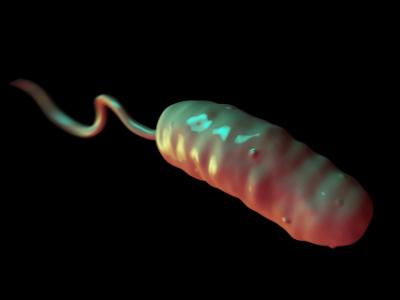
According to the latest cholera situation report published by the World Health Organization (WHO), there are 23,000 new suspected cases of the diarrheal disease in Yemen and 242 related deaths since the last update was published Apr 27.
The US Centers for Disease Control and Prevention (CDC) today finalized its cholera vaccine recommendation for adults traveling to disease outbreak areas, based on June 2016 advice from its Advisory Committee on Immunization Practices (ACIP).
Two European countries—Hungary and Romania—reported more highly pathogenic H5N8 avian influenza outbreaks in poultry and wild birds today, and Hong Kong officials confirmed H5N6 in a wild bird found dead in Kowloon, a major urban area.
A new letter published in the New England Journal of Medicine attempts to explain why Brazil saw fewer babies born with microcephaly in 2016 as compared to 2015, despite more suspected Zika infections. The authors suggest that 2016's second wave of Zika infections could have actually been another flavivirus, such as chikungunya.