The Saudi Arabian Ministry of Health (MOH) reported a new case of MERS-CoV in Riyadh. Riyadh has been the site of a number of recent cases, including one yesterday.
The MOH said a 56-year-old man was in stable condition after presenting with symptoms of MERS-CoV (Middle East respiratory syndrome coronavirus). His infection is listed as primary, meaning it's unlikely he contracted the disease from another person.
A research letter published today in JAMA said that although mortality from infectious diseases remains low in the United States, influenza and pneumonia account for nearly 40% of all infectious disease deaths.
Today the Saudi Arabian Ministry of Health (MOH) said the country has three new cases of MERS-CoV. Two of the cases are linked to camel exposure, one of the most common risk factors for the respiratory illness.
A capsule that unfolds into a star shape can deliver drugs for 2 weeks, a study shows.
Our weekly wrap-up of antimicrobial stewardship & antimicrobial resistance scans
Originally published by CIDRAP News on Nov 10.
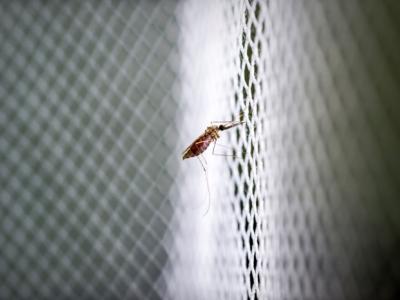
Two papers published last week in The Lancet Infectious Diseases describe the identification of molecular markers associated with drug resistance in Plasmodium falciparum malaria.
A study of a plant that treats wastewater from bulk drug production facilities in India suggests that the high levels of antibiotics present in the water affect microbial diversity and may play a role in spreading antimicrobial resistance.
Melinta Therapeutics yesterday submitted a New Drug Application (NDA) to the US Food and Drug for the approval of intravenous and oral Baxdela (delafloxacin), an antibiotic for the treatment of bacterial skin and skin structure infections.
Malaria deaths in Africa have dropped by more than half in the past 15 years, but some countries still struggle with high malaria mortality rates, according to a study yesterday in the New England Journal of Medicine.
Yesterday the World Health Organization (WHO) described five recent cases of MERS-CoV in Saudi Arabia, providing more evidence of the risk that camel contact poses in transmitting the disease.