How are you explaining the current risk of an H5N1-related influenza pandemic to your boss, the emergency preparedness committee, or the executive suite today? Is the task daunting? Are you being waved off with the comment that all this attention to pandemic preparedness is just public health's version of Y2K?
Far from being fatigued by pandemic warnings, the public is just beginning to hear the message. As planners, we're the ones at risk of pandemic fatigue, as we slog our way forward.
Three very different events in the past 2 weeks underscore that pandemic preparedness fatigue may have evolved into pandemic lethargyand important lessons are being lost in the process.
Your company is preparing for a pandemic, but your employees aren't. Can that possibly make sense?
Companies have their reasons for hesitating to communicate with employees about a possible future pandemic. The four reasons I hear most often:
(CIDRAP News) Farmers, airlines, and salmon fishermen stood to benefit when Congress passed a modestly trimmed emergency spending bill yesterday, but pandemic influenza preparedness lost out.
The world of pandemic influenza preparedness this past week experienced another roller-coaster ride of public attentionand a lack thereof.
(CIDRAP News) Experts predict that an influenza pandemic will place a long and heavy burden on the medical community, which prompted the US Department of Labor (DOL) to develop guidance for healthcare worker safety that it released today at a press conference.
Second in a two-part series examining the numbers and epidemiologic factors surrounding the virus that many experts believe could lead to the next pandemic. Part 1 explored why the apparently lower number of human H5N1 cases in early 2007 does not mean the pandemic threat is receding.
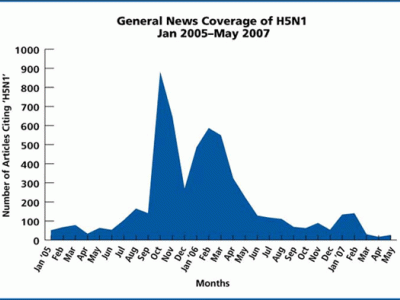
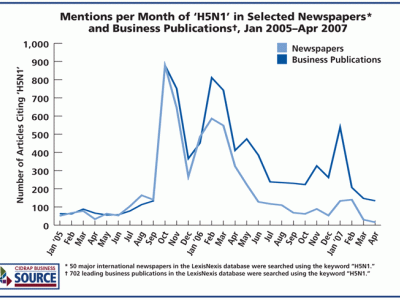
Less than 2 years ago, H5N1 seized the headlines.
Business continuity planners say they're talking to their employees and other stakeholders about pandemic preparedness. Is it really happening?