Saudi Arabian officials have reported three more MERS cases and one resulting death in the past 2 days, including a case in Buraydah, the site of a series of mostly healthcare-related cases this month.
The Centers for Disease Control and Prevention (CDC) today reported that 9 more people have been sickened with Salmonella Virchow associated with recalled RAW Meal Organic Shake and Meal powders, bringing the outbreak total to 27 cases.
Two cases of listeriosis that occurred in 2014 have been linked to raw milk produced by a Pennsylvania organic arm, the Centers for Disease Control and Prevention (CDC) said today.
PulseNet, the national lab network that links cases of foodborne disease by tracking genetic fingerprints of pathogens, saves an estimated $500 million and prevents 270,000 disease cases a year, according to an economic evaluation today in the American Journal of Preventive Medicine.
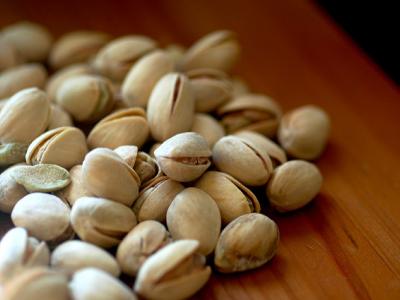
Two of the 11 patients have been hospitalized, and 8 of 9 interviewed said they ate pistachios before they fell ill.
A MERS-CoV cluster in Buraydah in north-central Saudi Arabia has grown to 13 cases in recent days as the country's Ministry of Health (MOH) reported 2 new infections today, 1 of which was fatal.
The new MERS-CoV (Middle East respiratory syndrome coronavirus) cases involve foreign men, ages 24 and 56. The older man died. He contracted the disease from another MERS patient, the MOH said.
A meta-analysis published yesterday in The Lancet Infectious Diseases suggests that dengue infection in pregnant women may increase the risk of adverse fetal outcomes such as preterm birth and low birth weight.
Saudi Arabia's Ministry of Health (MOH) today confirmed two new MERS-CoV infections in Saudi men, marking 11 new cases in as many days.
An outbreak of Shiga toxin-producing Escherichia coli O157:NM related to alfalfa sprouts has sickened nine people in Minnesota and Wisconsin, the Minnesota Department of Health (MDH) said yesterday and the Centers for Disease Control and Prevention (CDC) confirmed today.
Use of the quadrivalent (four-strain) human papillomavirus vaccine (4vHPV)—which was introduced in 2006—was associated with a 64% decrease in prevalence of the vaccine strains in girls and women 14 to 19 years old and a 34% drop in women 20 to 24 years old, according to a study yesterday in Pediatrics.