The stench of rotting meat. Someone coughing on an airplane. A dirty bathroom. Most people recoil when they come across something nasty—an instinct believed to have helped early humans avoid harmful pathogens and survive.
And the aftermath of a viral outbreak among macaque monkeys at a south Texas primate sanctuary shows that, in the face of potential disease, it's not just people who get grossed out. In short, macaques that survived the outbreak were less likely to eat grapes placed on feces.
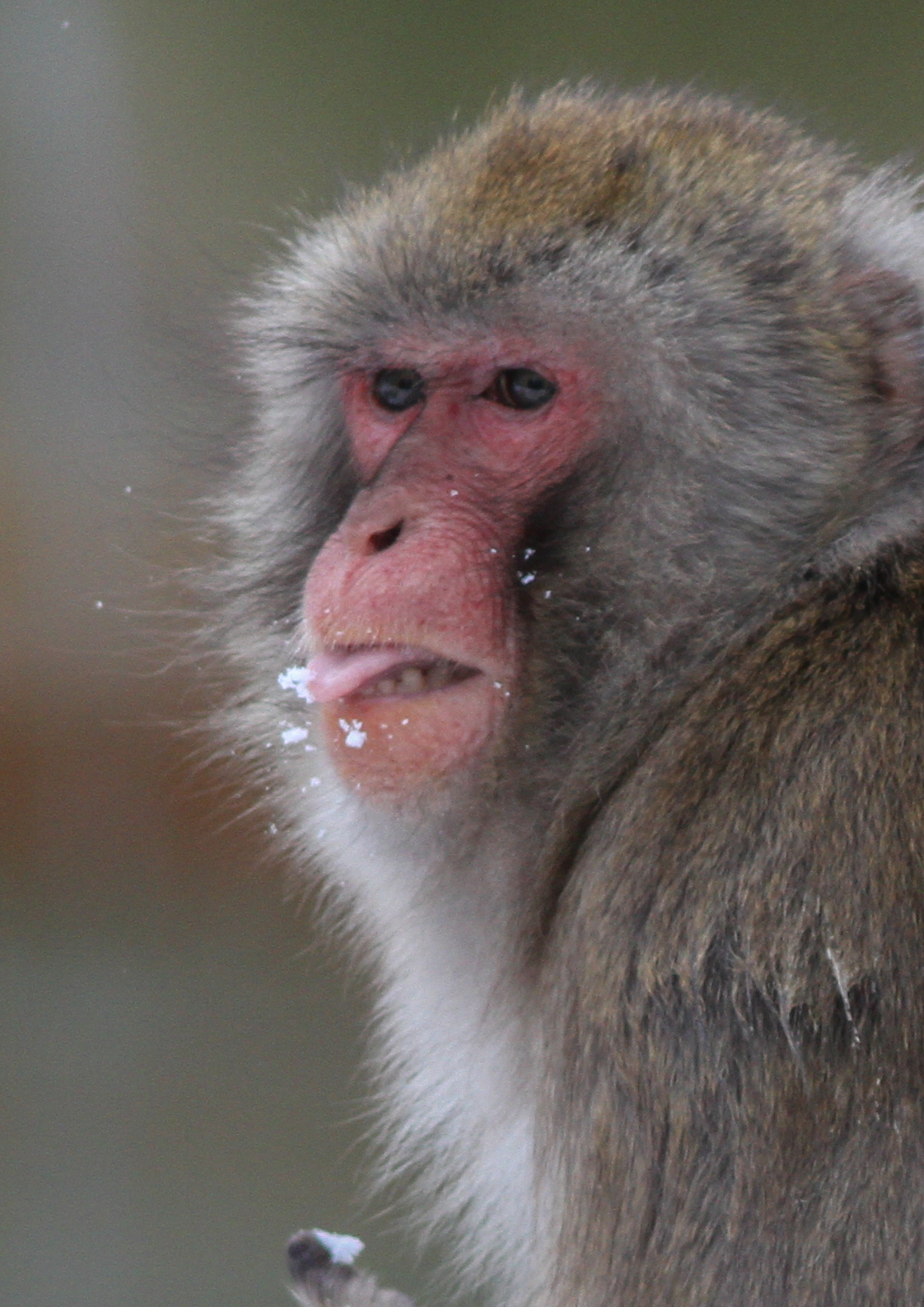
The findings, published last week in the Royal Society of Open Science, demonstrate that so-called pathogen sensitivity is both present and flexible in macaques, suggesting that the behavioral foundations of human disgust have deep evolutionary roots: The last common ancestor of macaques and humans lived 25 million years ago.
"The thing that makes humans remarkable is our ability to adapt in different environments, and [the study] shows that that flexibility, to some degree, exists in other primates," Stephan Kaufhold, PhD, a cognitive science researcher at the University of California, San Diego and the study's first author, told CIDRAP News.
Epoxy gives feces and sponges a nice, moist appearance
The outbreak began after a macaque with an asymptomatic case of simian retrovirus type II (SRV-II) came to the south Texas sanctuary from a laboratory that did animal testing. SRV-II infects macaque species and causes immunodeficiency, similar to HIV/AIDS in humans.
The disease spread through two enclosures, killing a number of macaques. However, the outbreak didn't reach the entire sanctuary, and some monkeys were unaffected.
Kaufhold and his collaborators realized the outbreak created an opportunity to study whether macaques that survived the outbreak were more likely to experience increased pathogen sensitivity.
To test this, the researchers placed the grapes, a rare and favorite treat for the macaques, on three different surfaces: a piece of wood, a kitchen sponge, and epoxy-coated macaque feces. They then presented the treats to monkeys that had and had not experienced SRV-II, with the latter serving as a control group.
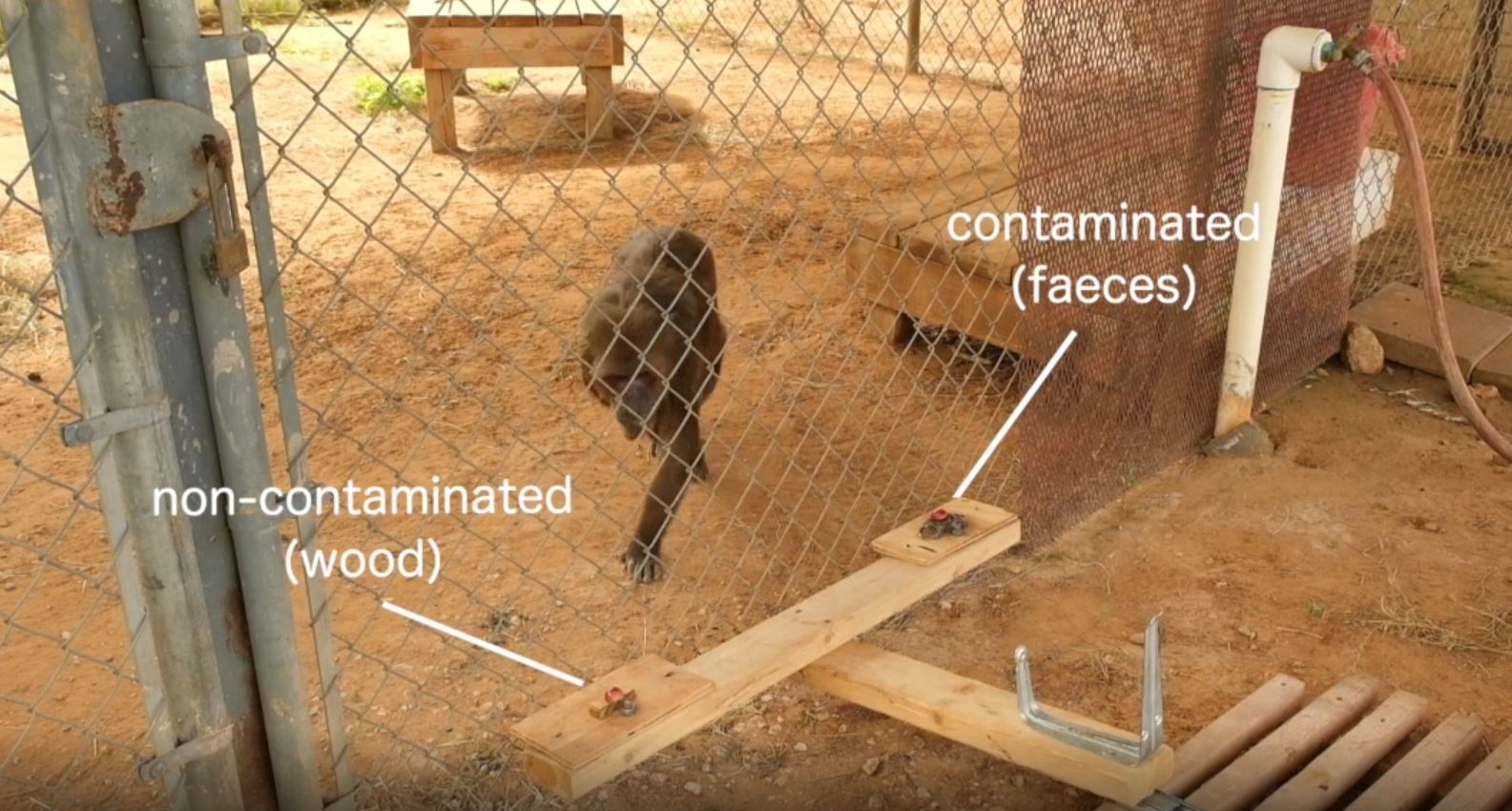
Credit: Stephan Kaufhold
Poop was used because previous research has shown that it induces pathogen-avoidance behaviors, said Kaufhold. It was also unrelated to SRV-II's transmission route, making it suitable for testing a generalized pathogen-sensitivity response.
"It was also easy for me to come by," he said. "I actually collected the poop from the non-exposed group."
The epoxy created a barrier between the grape and feces, and it made the latter appear wet and fresh, which, in Kaufhold's opinion, increased the gross factor. He also applied epoxy to the sponge so it looked similarly moist.
Macaques' "behavioral immune system" more sensitive after outbreak
In trials where monkeys were given grapes placed on wood and epoxy poop, individuals were significantly more likely to eat off the wood first, regardless of whether they were exposed to SRV-II or not.
In trials where grapes were presented on the kitchen sponge and epoxy poop, the macaques also ate from the sponge first, though this preference was less pronounced. The brightly colored sponge was novel, and Kaufhold said the macaques may have been cautious of it.
The thing that makes humans remarkable is our ability to adapt in different environments, and [the study] shows that that flexibility, to some degree, exists in other primates
However, once the macaques ate the grapes from the wood or sponge, they had a choice: Did they want a grape enough to eat from the poop?
For the macaques in the control group, the answer was yes; they usually still wanted the grapes—they took the treat in 79% of trials. But those that lived through the SRV-II outbreak ate these grapes in only 47% of trials.
Stephan Kaufhold
Because the control group cared less about their food touching poop, Kaufhold said this suggests that severe life history events, like a disease outbreak, can have a long-term effect on a macaque's pathogen sensitivity.
That flexibility matters, because it shows humans aren't the only species that change pathogen-avoidance behaviors in response to external factors, which scientists sometimes refer to as an environmentally responsive behavioral immune system.
Origins of disgust likely stretch far back
It was once assumed that non-human animals didn't feel disgust, said David A. Pizarro, a Cornell University psychologist who studies disgust and how emotions affect judgment.
Though scientists don't know whether macaques, or other animals, experience the same emotions as humans when they encounter things that pose a threat of disease, Pizarro said Kaufhold's study adds to a growing body of research showing that this emotion did not suddenly appear, in evolutionary terms, fully formed in humans.
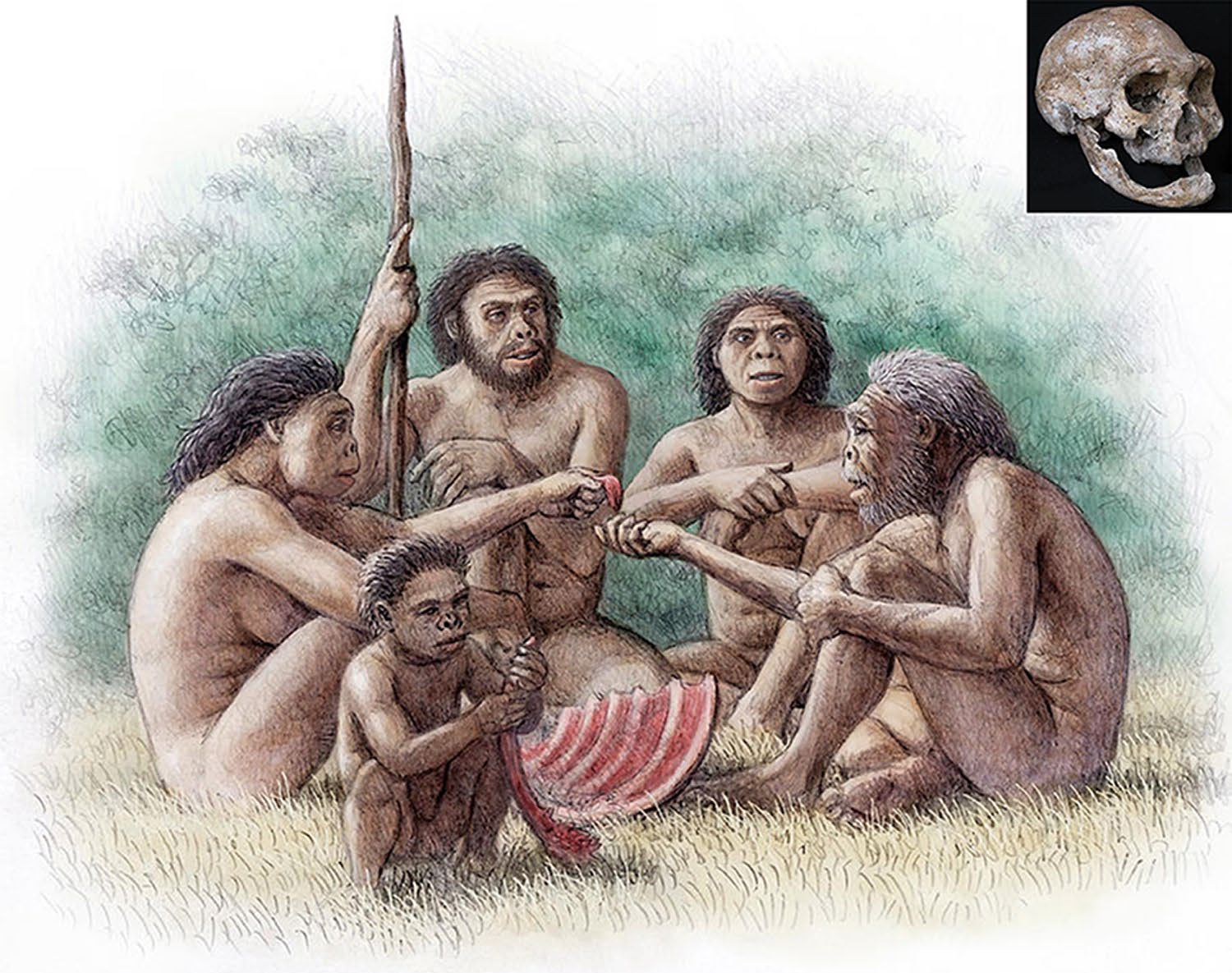
Credit: Mauricio Antón. Published by Bartolini-Lucenti / Wikipedia
"I think this work is an early and important contribution for understanding how environmental factors might impact our own disease/pathogen avoidance behaviors, which can in turn help us figure out how to encourage disease avoidance behaviors when appropriate!" he wrote in an email.
It's tempting to assume that the emotion of disgust stretches back to the last common ancestor of humans and macaques, but living primates do not represent a past evolutionary state, cautioned Tara Cepon Robins, PhD, a biological anthropologist at the University of Colorado, Colorado Springs.
But she agreed that pathogen-sensitivity behaviors, like those Kaufhold captured, demonstrate the likely presence of disgust responses in early humans, including archaic humans like Homo erectus.
Robins added that modern humans also recalibrate their pathogen avoidance as new threats arise, as seen during the COVID-19 pandemic, when people sanitized their groceries with bleach wipes and interacted less with others.
Mother knows best when it comes to pathogens
Pathogen sensitivity might also be cultural in macaques.

Credit: Rocktendo & Adam Gman / Wikipedia
In a second study, Kaufhold found that how a macaque was raised was a key predictor of pathogen avoidance, since sanctuary-born animals were less likely to eat food from the epoxy-coated feces than former pets.
Interestingly, laboratory-born macaques avoided the food from the epoxy poop nearly as often as the sanctuary macaques. Kaufhold said that in the United States, while living conditions of laboratory animals raise ethical questions, the standard practice is not to separate macaque babies from their mothers.
That macaques reared as pets have lower pathogen sensitivity shows the importance of social learning among primates, said Robins.
"It's culture in a simple sense of the word," she said, "but humans are the same, where some contexts are 'disgusting’ for some groups but not others."
For example, in some cultures people eat insects, though in others this would be considered strange and gross.
The behavioral differences in captive macaques may also reflect neglect or other harm, including psychological, since keeping these highly intelligent animals as pets creates stress.
"If you care about the wellbeing of animals, keeping a monkey is a cruel and stupid idea," said Kaufhold.