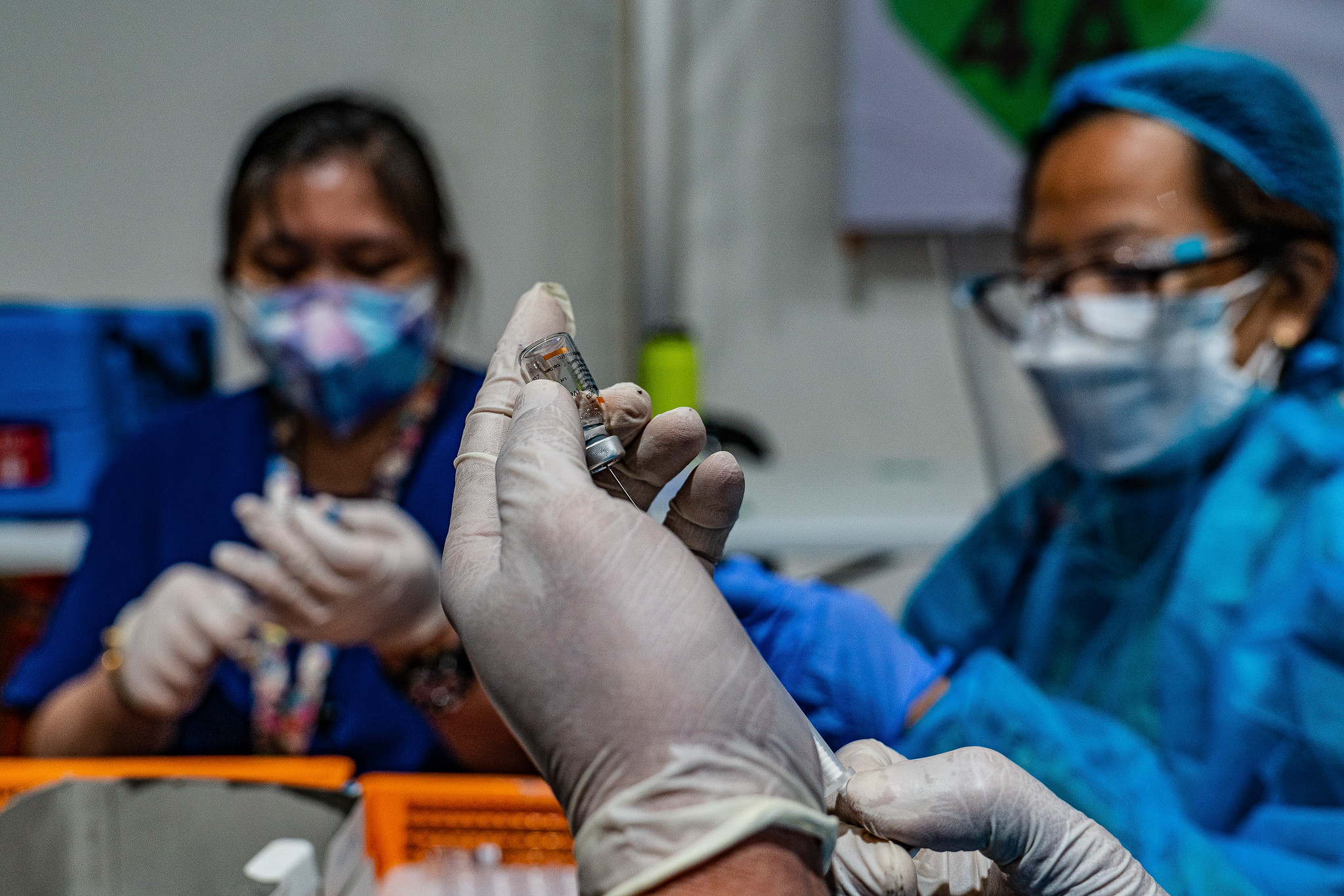
A new study shows a person’s gut microbiome, specifically levels of inflammation in the intestine, may be behind post-vaccination fevers. The study was published earlier this month in Science.
Fever is a common reaction to a number of vaccines but can be a factor in vaccine hesitancy, the authors wrote, especially for vaccines against seasonal influenza and COVID-19.
The study was based on 171 healthy adults whose fecal microbiomes, body temperature, and blood-based immune markers were measured before and after receiving mRNA COVID-19 vaccination.
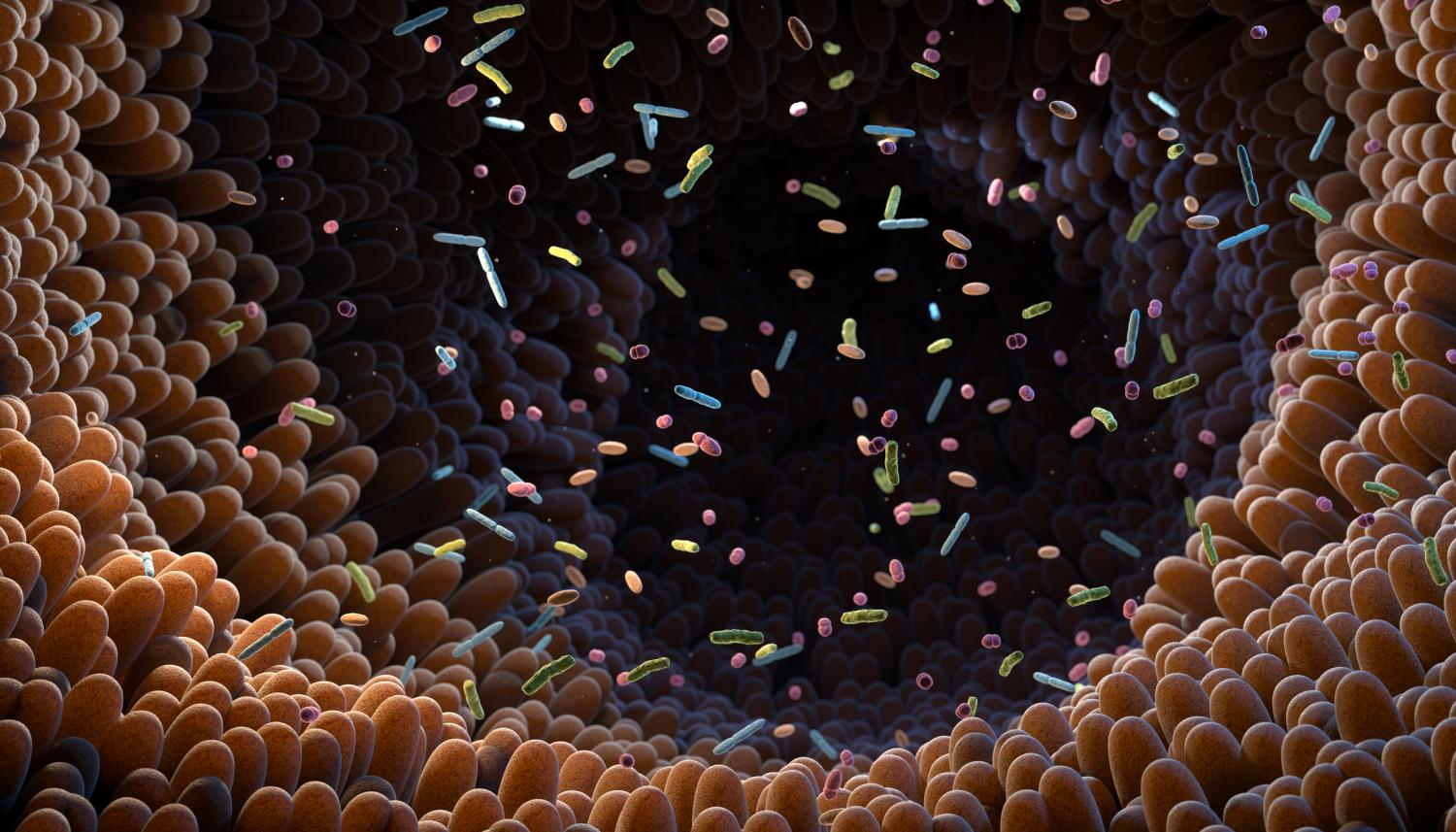
The authors found that Lachnospiraceae, a bacteria that lives in the gut and can produce flagellin (which forms flagella, providing cell motility), played an important role in vaccine-related reactions. Notably, participants who had fevers following vaccination had higher levels of flagellated bacteria in their intestinal samples.
Diet modification could help reduce fever risk
The authors said it is possible flagellin may activate inflammatory pathways and intensify vaccine-related reactions and that these reactions may be enhanced by a high-fat and highly processed diet, which leaves the body in an inflammatory state.
This suggests that diet modification could be a viable strategy to influence microbiome-dependent vaccine responses
“Although interventional human studies are needed to establish causality, this suggests that diet modification could be a viable strategy to influence microbiome-dependent vaccine responses,” the authors wrote.
Importantly, the authors noted that flagellin and inflammation do not affect antibody responses to vaccines, meaning increased vaccine side effects had no bearing on vaccine efficacy.