The group of 28 experts continues to offer Ebola vaccine guidance and says its concept could be used in other outbreaks.
NewLink Genetics today announced that the federal government has exercised an $18 million option to ramp up the production of its experimental Ebola vaccine VSV-EBOV, according to a statement from the company. The company has licensed the vaccine from the Public Health Agency of Canada, the developer of the vaccine, which is furthest along in clinical studies in the West African outbreak region.
Saudi Arabia's health ministry today announced two new MERS-CoV cases, both of them from Riyadh, an area that over the past several weeks has experienced a spate of hospital-linked cases.
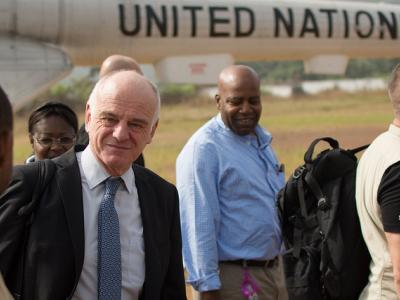
The WHO announces a unified program for health emergencies, vaccine support, and other reforms.
For the third day in a row South Korea reported no new MERS-CoV cases, but its health ministry today reported one more death, involving an 81-year-old woman who had a stoke before she was diagnosed, the Korea Times reported today. The woman was exposed to the virus while at Samsung Medical Center in Seoul.
An international research group today warned that climate change could erode 50 years' of public health gains, but addressing the problem now presents a global health opportunity, according to a report today in The Lancet.
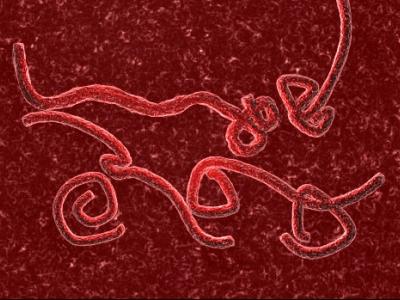
A new genetic study of Ebola viruses in West Africa's epidemic, published yesterday in Nature, helps trace the disease's spread and, according to the authors, shows that the virus mutated at about the same rate observed in earlier outbreaks.
State officials in Minnesota and Iowa today announced one new avian influenza outbreak apiece, both of them on turkey farms.
Minnesota's Department of Public Safety (DPS) announced that one more turkey flock is "presumptive positive" for avian flu. The outbreak occurred in Renville County, located in the south-central part of the state. The DPS said details on the outbreak's flock size will be released soon.
Mechanically tenderized beef will need to be so labeled by May 2016, the US Department of Agriculture's (USDA's) Food Safety and Inspection Service (FSIS) announced today.
The new labeling requirements cover raw or partially cooked beef products, the FSIS said in a statement.
"This commonsense change will lead to safer meals and fewer foodborne illnesses," said USDA Deputy Undersecretary Al Almanza.
Immunizing pregnant women rated as best pertussis defense for infants