The studies suggest that: (1) rural residence, certain conditions, and nursing home residency raise the risk of hospitalization and (2) most household spread is from kids to adults.
Against severe RSV disease, nirsevimab had a very high efficacy of 85% in infants.
Estimated effectiveness was 65% against hospitalization, 74% against pediatric intensive care unit admission, and 64% against high-dependency unit admission.
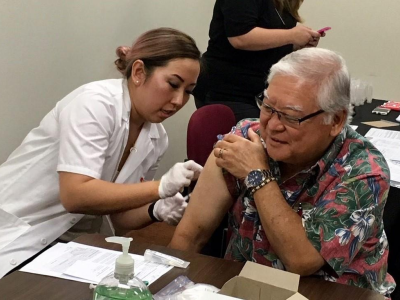
The top motivator for getting vaccinated was a strong clinician recommendation.
The CDC says it does not anticipate posting any more updates on US respiratory disease activity this season.
Several factors were associated with high maternal uptake of the vaccine, including older age of the mother.
Researchers say interventions to reduce RSV infections, like vaccines and monoclonal antibodies, could aid antibiotic stewardship efforts.
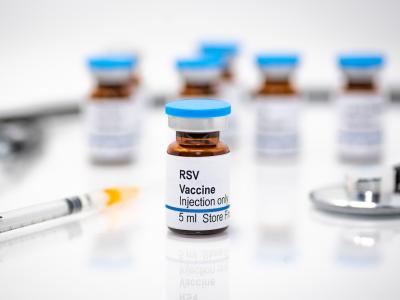
The vaccine had a similar favorable safety profile as a placebo.
The CDC says it's now classifying the flu season as high severity for all age-groups for the first time since the 2017-18 season.
Test positivity topped 30%, with steady rises in emergency department visits and hospitalizations.