A coalition of philanthropic groups yesterday announced $60 million in grants to researchers working on new antibiotics for some of the most challenging bacterial pathogens.
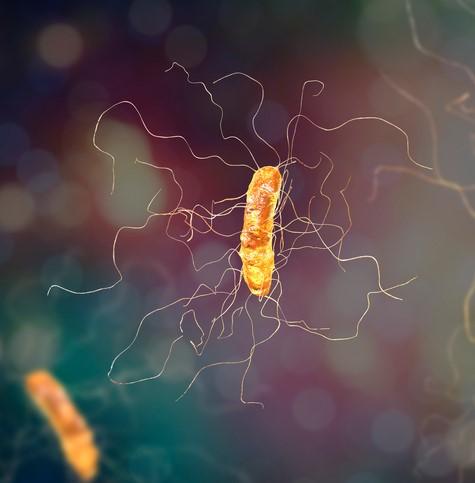
The Gates Foundation, Novo Nordisk Foundation, and Wellcome said the money, awarded through the Gram-Negative Antibiotic Discovery Innovator (Gr-ADI), will go to research teams in 17 countries, including Ghana, South Africa, and Brazil. The groups launched Gr-ADI in January 2025 to address the lack of novel antibiotics for gram-negative bacteria, which pose a challenge for antibiotic developers because of their tough outer membrane.
More than 500 proposals submitted
Drug-resistant gram-negative bacteria are a leading cause of deaths from antimicrobial resistance (AMR). When Gr-ADI launched, officials with the project said the first round of grants would focus on the discovery of antibiotics with broad-spectrum activity against Enterobacteriales, particularly Klebsiella, which is on the World Health Organization’s list of priority pathogens.
More than 500 proposals were submitted to Gr-ADI, which officials say is a first-of-its-kind consortium where research teams and funders “openly share data and learnings and work collectively to accelerate the discovery of urgently needed antibiotics.”
"AMR is undermining our ability to treat even routine infections, putting millions of lives at risk, especially in lower- and middle-income countries," Trevor Mundel, MBBCh, PhD, president of global health at the Gates Foundation said in a press release. "Gr-ADI is about accelerating discoveries that can translate into new antibiotics faster, so countries have the tools they need to protect their populations now and in the future."