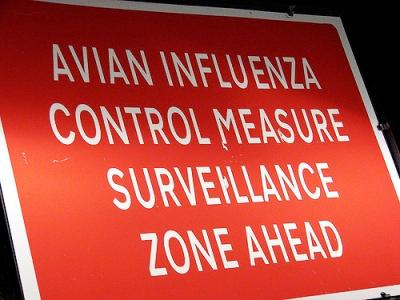
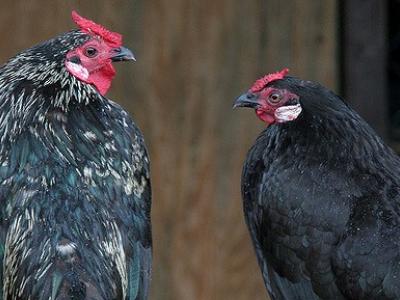
Tunisia has H5 avian flu for the first time, and Finland and Austria report new H5N8 outbreaks.
Pigs and llamas appear prone to infection with Middle East respiratory syndrome coronavirus (MERS-CoV), according to researchers who experimentally infected four animal species and reported their findings yesterday in Emerging Infectious Diseases.
Findings in dead coots make Egypt the 3rd Mideast country to report high-path H5N8.
Nigeria's agriculture ministry yesterday reported two more highly pathogenic H5N1 avian flu outbreaks, both of which began last week, according to a report to the World Organization for Animal Health (OIE).
Finland, France, and Romania report their first outbreaks, while India and Iran note further spread.
The preliminary genetic analysis suggest that some of the internal genes have changed, compared to earlier H5N6 samples from China and Hong Kong.
In a MERS-CoV situation report today, the World Health Organization (WHO) said there are 58% fewer cases reported in September and October of this year compared with the same period last year.
New research from Public Health England and the Department for Environment, Food and Rural Affairs (DEFRA) has found that two thirds of raw chicken bought at UK supermarkets in 2013-2014 tested positive for extended-spectrum beta-lactamase (ESBL)–producing Escherichia coli.
Sweden joins the growing list of European countries facing high-path avian flu.
A research letter published today in JAMA said that although mortality from infectious diseases remains low in the United States, influenza and pneumonia account for nearly 40% of all infectious disease deaths.