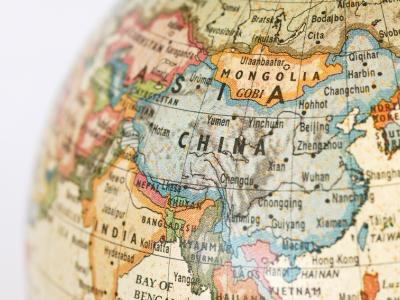
Global flu activity remains at low levels, with slight increases in China and South America, the World Health Organization (WHO) said in its weekly update yesterday.
The agency said influenza activity remained at low levels in North America, Europe, northern Africa, and western Asia. Flu activity continues to decline in southern and southeastern Asia, as well, except for Singapore, which noted an increase.
Thomas Jeffries, PhD, said the studies increase, rather than lower, the risk of a pandemic.
Two reports provide some reassurance that the virus doesn't often spread among humans.
Egypt's health ministry yesterday announced the nation's fourth H5N1 case of the year, which involves a 34-year-old from Minya who is hospitalized and on a ventilator, according to a report today from the Middle East News Agency (MENA).
The US Food and Drug Administration (FDA) has approved tedizolid phosphate (Sivextro), a new antibacterial drug to treat adults with acute bacterial skin and skin structure infections (ABSSSI), the agency announced on Jun 20.
The flu vaccine in three European nations in 2012-13 provided 33% protection against hospitalization for influenza in adults, according to a study yesterday in PLoS One.
Is there a unique public health benefit of gain-of-function studies, unachievable by safer means, that outweighs their risk?
A fatal case of H5N1 avian flu has been reported in Indonesia, according to a story in the Jakarta Post today. This represents the second confirmed human case of the highly pathogenic strain of avian influenza in the country this year.
The World Health Organization (WHO) yesterday said it is working with local and international health partners in Iraq to address pressing concerns—including measles and polio risks—of populations hit hard by recent instability there.
The second H7N9 wave not only had many more cases than the first, it affected a wider area.