Multiple factors are fueling rises and compounding the impact, including shifts in dengue serotypes.
Catastrophic flooding in Pakistan last year led to a fivefold jump in cases.
The groups issued a call to action, including steps like including maternal and child health in climate and disaster plans.
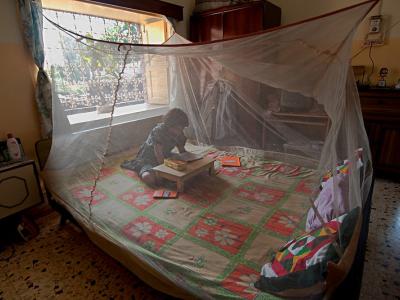
The annual Lancet report details the health impacts of climate change, such as Bangladesh's record dengue outbreak.
The investigators found that summer temperatures accounted for 16% and 22% of overall fatal hospitalizations for respiratory diseases in Madrid and Barcelona, respectively.
Longer transmission seasons and migration of mosquitoes to new latitudes threaten to undo years of progress.
Several of the El Nino health risks are due to water contamination, either from flooding or drought. Malnutrition due to food insecurity was the top threat.
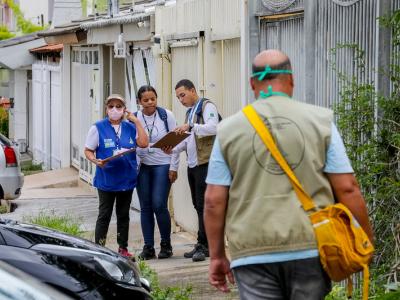
PAHO officials say they are seeing changes in the timing and magnitude of cases that are likely related to the effects of climate change and unplanned urbanization.
A scientific literature review for empiric examples of impacts from 10 climate hazards influenced by greenhouse gas emissions found that more than 58% of human diseases caused by pathogens—such as dengue, pneumonia, and Zika virus—are made worse by the climate-related hazards. A team based at the University of Hawaii at Manoa reported the findings today in Nature Climate Change.
More than 2 million American workers called in sick in a single week in mid-April, causing the highest absence rate on record and leading to suspicions that COVID-19 cases were substantially undercounted, according to a research letter published yesterday in JAMA Internal Medicine.