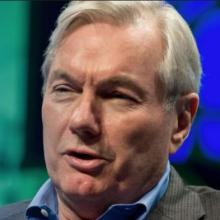
The gap between the diseases we fear and the actual dangers we face is significant. This Halloween, CIDRAP Director Michael Osterholm outlines the public health threats that worry him most.
Plaque growth can lead to a higher risk of heart attack, stroke, and other life-threatening cardiovascular events for as long as 1 year.
Post-exertional malaise, or exercise intolerance, was seen in 36% of those with long COVID.
Get weekly COVD-19 updates in your inbox.
Catch the latest episode!
Top COVID FAQs
By CIDRAP & other experts
Read all 7 reports
A study published today in JAMA Surgery has found a 0.93% overall incidence of COVID-19 among pediatric patients undergoing urgent surgery in three US hospitals, but with wide regional variations.
Lancet editors issue a statement acknowledging the criticism of a recent study.
One study found that obese patients were likely to require mechanical ventilation.
Americans could be at risk of worse outcomes for non-COVID emergencies.
The WHO is worried about accelerating epidemics, especially in Central and South America.
Physical distancing, enhanced screening, and quarantining of people with confirmed or suspected COVID-19—without a lockdown—reduced the spread of the novel coronavirus outside of a hard-hit South Korean province by up to 34%, results of a study published yesterday in Emerging Infectious Diseases suggest.
About 250,000 of 732,000 recent global cases were in Latin America.
Deaths have topped 40,000 in US nursing homes or long-term care facilities, a new analysis suggests.
First-year medical residents in Shanghai—500 miles away from the Chinese COVID-19 epicenter of Wuhan—had a steep decline in mood, increased depression and anxiety, and twice the level of fear of workplace violence in the first month of the pandemic, according to a research letter published yesterday in JAMA Network Open.
The effects of continued distance learning will likely be worse among students already at risk, the authors say.