One month after spill, Potomac River still testing positive for E coli, staph

News brief
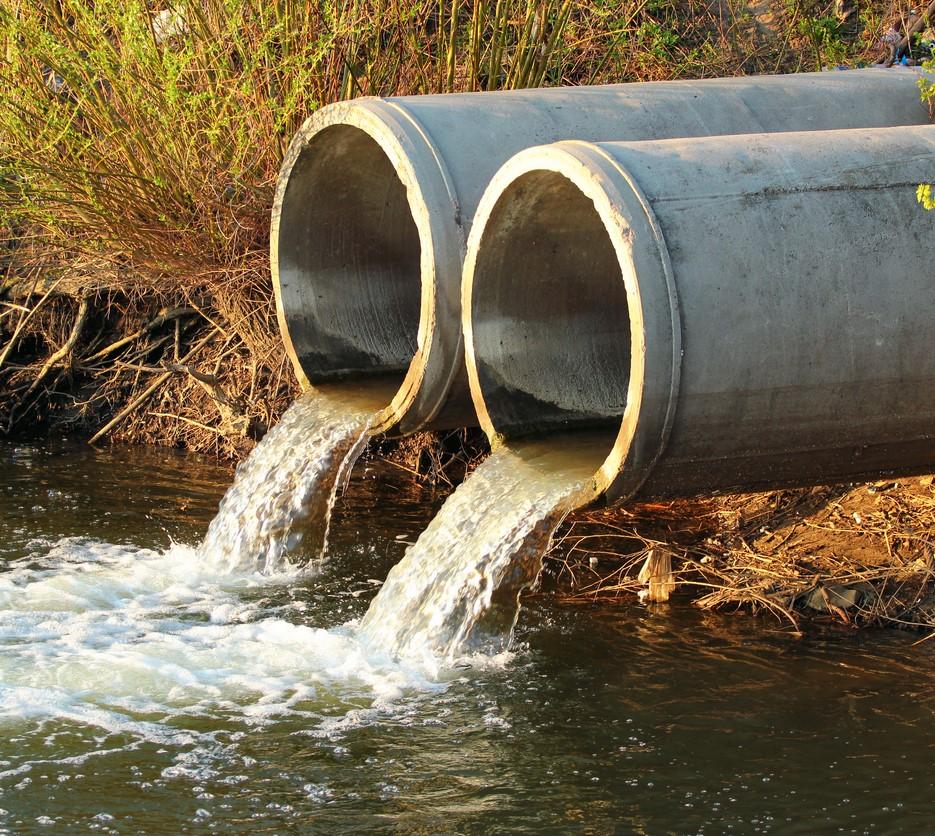
sewage
aquatarkus / iStock

University of Maryland School of Public Health researchers continue to test water from the Potomac River one month after a wastewater pipe broke, dumping millions of gallons of raw sewage into the river, and find the river still has high levels of Escherichia coli and Staphylococcus aureus, or staph. 

We continue to see these disease-causing bacteria at levels unsafe for people and animals.

“Though our testing has shown lower levels of E. coli since we began sampling, we continue to see these disease-causing bacteria at levels unsafe for people and animals,” said Rachel Rosenberg Goldstein, PhD, a microbiologist at the University of Maryland and part of the school’s water emergency team in a press release. “To ensure safety, people should continue to avoid coming into contact with the Potomac near the spill site, and with land near the impacted river.” 

Scientists note high levels of MRSA 

On January 19, the broken pipe dumped more than 200 million gallons of raw sewage into the Potomac near Washington, D.C. On January 21, samples collected were over 10,000 times above Environmental Protection Agency (EPA) recreational water standards. On February 17, samples were lower yet, but still 100 to 200 times above the standard.

Of note, high levels of pathogenic bacteria, including antibiotic-resistant MRSA (Methicillin-resistant S aureus) continue to be detected at multiple collection sites along the river. 

“The consistent presence of MRSA at the spill site and staph downriver emphasizes continued possible health risks that need to be monitored,” said Goldstein. 

Moderna’s 2-in-1 flu and COVID vaccine shows encouraging results in small trial

News brief
mRNA vax
gorodenkoff / iStock

Moderna announced late last week that its mRNA combined seasonal flu and COVID-19 vaccine proved robust and produced a durable immune response in a small, mid-stage trial. There were also no serious safety concerns. 

According to Reuters, the study involved 550 healthy US adults ages 18 to 75 who received either the experimental combo vaccine (mRNA-1073) and a placebo, or two separate shots of Moderna’s commercially available mRNA flu and COVID vaccines.

The company said a single dose of mRNA-1073 elicited durable immune responses through 6 months against all vaccine-matched influenza and SARS-CoV-2 strains.

The findings come as Moderna has been vocal in its concerns about the US vaccine market now that the Food and Drug Administration (FDA) has pulled back support for mRNA technology under Health and Human Services Secretary Robert F. Kennedy Jr.

They also come one week after Moderna and the FDA had a very messy, public back-and-forth about the FDA considering the current application for the company’s mRNA seasonal flu vaccine. 

College students bounced back after pandemic, long-term study suggests

News brief
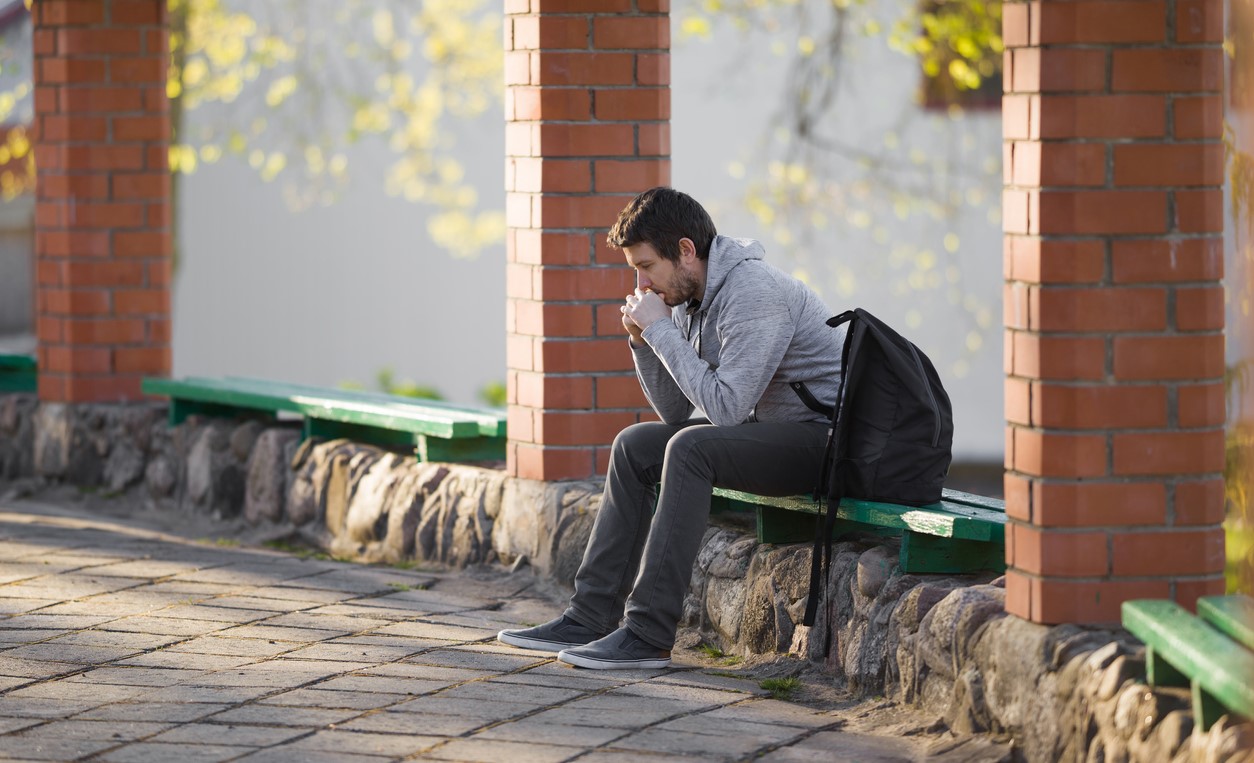
College student deep in thought
Emanuel Nyszczuk / iStock

A long-term study from Michigan State University (MSU) finds that most college students bounced back emotionally after the COVID-19 pandemic, with improved psychological functioning, less loneliness, and more satisfaction with their lives. 

Authors of the study, published online in January in Personality and Individual Differences, tracked the same 248 college students from 2020 to 2021 while they were in school through 2025, after they had graduated. The study is one of the few longitudinal studies of college students during the pandemic.

By the time students graduated, they were seeing friends more in person and interacting less online, researchers found. 

Students’ personalities influenced how they rebounded from the pandemic, the study finds. Extraverted students reported higher life satisfaction and lower loneliness by the end of the study, while more anxious people struggled more with loneliness. Surprisingly, many students now look back on the early days of online learning more favorably, “even though they hated it at the time,” said William Chopik, PhD, co-author of the study and associate psychology professor at MSU, in a news release

Shutdowns particularly hard for college students

While the COVID-19 pandemic was difficult for everyone, shutdowns posed specific hardships for college students. Many adults who had only recently left home to live more independently had to move back into their family homes as campuses shut down. At a time in life when social relationships are vitally important, college students were cut off from friends and forced to complete their classes online.

Many students found it difficult to engage with their teachers or online subject matter. Students felt lonely during lockdowns, and some studies have found this loneliness continued even after social restrictions eased.

“This study gives us a clearer picture of how personality matters more during crises but less so once things stabilize,” said Logan Gibson, co-author and undergraduate research associate, in the news release. “It’s reassuring to know that people aren’t locked into bad outcomes just because of their personality traits.”

This week's top reads

Our underwriters