At least 64 people in 22 states have contracted Salmonella after eating raw oysters, and 20 have been hospitalized, the Centers for Disease Control and Prevention (CDC) announced last week.
Infected people reported first getting sick on June 21 through November 28, the CDC said. Patients range in age from 10 to 76 years, with a median age of 52. Almost two-thirds of patients are male, and 85% are White.
The most affected states are Pennsylvania (10 cases), New York (7), New Jersey (6), Virginia (6), and Georgia (4).
Number of cases likely much higher
“The true number of sick people in this outbreak is likely much higher than the number reported, and the outbreak may not be limited to the states with known illnesses,” the CDC said. “This is because many people recover without medical care and are not tested for Salmonella. In addition, recent illnesses may not yet be reported as it usually takes 3 to 4 weeks to determine if a sick person is part of an outbreak.”
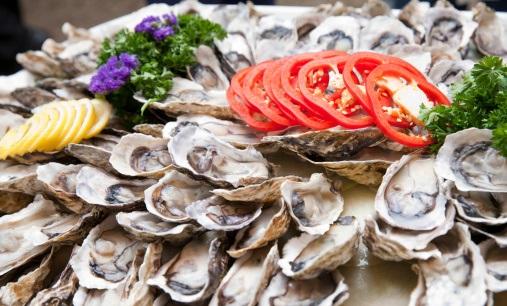
Official have not yet identified a common source of contaminated oysters. “Raw oysters can be contaminated with germs at any time of year,” the CDC advised. “Cook them before eating to reduce your risk of food poisoning. Hot sauce and lemon juice do not kill germs. You cannot tell if oysters have germs by looking at them.”
Cook them before eating to reduce your risk of food poisoning.
Raw oysters are a fairly frequent vehicle for the transmission of foodborne pathogens. Early this year, the CDC described two simultaneous norovirus outbreaks linked to eating raw oysters in California in late 2023 and early 2024 affecting about 400 Californians. A 2022 norovirus outbreak was traced to oysters harvested from Galveston Bay, Texas, while another that year was tied to raw oysters from British Columbia. Vibrio is another pathogen commonly tied to raw-oyster outbreaks.