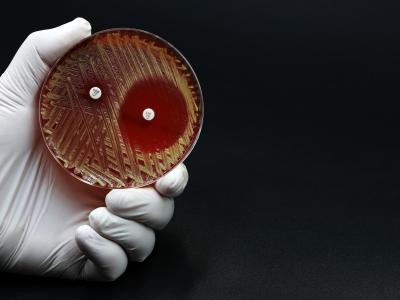
The intervention involved use of an antiseptic soap and nasal ointment on patients in a network of hospitals, nursing homes, and long-term care facilities.
The CDC-developed strategy did not reduce incidence of hospital-onset C difficile over time at participating hospitals, but implementation was affected by COVID-19.
Incidence of C auris infection and colonization tripled at Mount Sinai Hospital from 2019 through 2022.
Patients undergoing gastrointestinal surgery at safety net hospitals had a nearly 30% increased risk of SSIs compared with all hospitals.
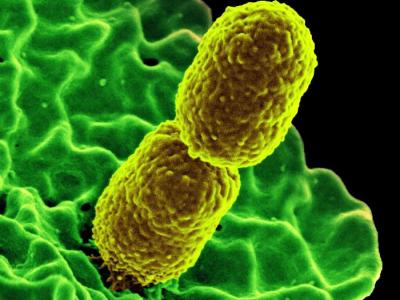
European health officials say the rise in Klebsiella pneumoniae strains combining hypervirulence with resistance to last-resort antibiotics is a cause for concern.
Use of an alcohol-based skin antiseptic containing iodine before surgery reduced surgical-site infections by 26% in patients with fractured limbs.
An investigation of the clinic identified gaps in environmental cleaning practices, surgical device disinfection.
The findings highlight the need to boost infection prevention and control and antimicrobial stewardship efforts in Greek hospitals.
The two groups will combine efforts to genetically track threats ranging from mosquito borne pathogens to pandemic flu.
A study conducted at a Veterans Affairs hospital found that high-touch surfaces harbored several opportunistic pathogens despite routine disinfection.