The largest-ever study on this topic systematically tested how 16 hypothetical social and environmental factors influence where outbreaks occur.
The study highlights how shelters can experience infectious disease outbreaks and how they can be prevented.
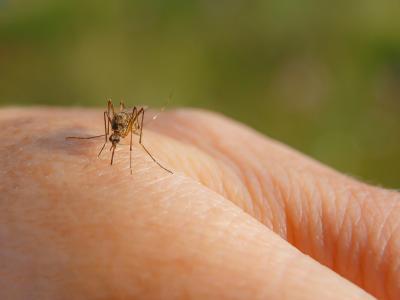
Rising temperatures, longer summers, milder winters, and changing rainfall patterns are creating more favorable conditions for mosquito populations.
The authors found a positive correlation between intraseason genetic diversity and increased temperature.
Recent mosquito-borne illness patterns in Europe reflect the growing geographic spread and public health impact of the diseases.
But the modeling study also finds that if low-income countries pursue sustainable development efforts, global AMR levels could be cut 5%.
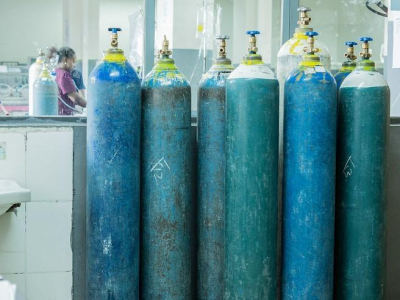
The authors estimate the cost of narrowing the oxygen gap at $34 billion over the next 5 years but called it a highly cost-effective investment with far-reaching effects.
Birds dispersed the ticks over average distances of 260 to 3,100 miles.
Climate change will have increasing effects on public health and food security over time, the authors say.
The finding has important implications amid the heavier floods, more extreme droughts, and greater seasonal precipitation tied to climate change.