Adjuvanted and high-dose flu vaccines show similar efficacy in preventing infection and hospitalization in US adults aged 65 and older.
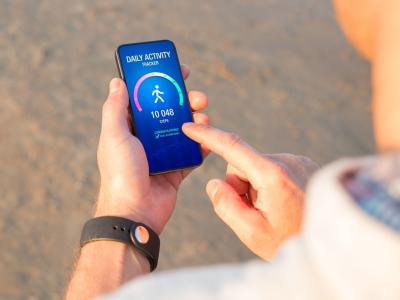
The loss of activity is equivalent to 15% of the US population becoming completely immobile for 1 day.
Adult COVID-19 patients also infected with the flu are 4 times more likely to need mechanical ventilation and 2.4 times more likely to die.
The roadmap offers a powerful opportunity to leverage advances in vaccine science to better protect against influenza, including pandemic flu.
The Influenza Vaccines Roadmaps Initiative newsletter highlights recent news, research, and events pertaining to influenza vaccine R&D.
A database of novel vaccine candidates that are designed to provide broader and more durable protection against influenza viruses.
Help support our work on influenza. Advance the work of CIDRAP in public health preparedness and emerging infectious disease response.
Receive the latest infectious disease information.
A new study finds that while severe symptoms usually fade within a week, milder symptoms can persist for up to a month.
The study highlights how shelters can experience infectious disease outbreaks and how they can be prevented.
The reduction in transfers to emergency departments is driven by increased testing and case detection and faster flu antiviral initiation rather than smaller outbreaks.
The flu outbreak at Joint Base San Antonio Lackland Air Force Base has risen to 275 cases.
In the United States, COVID-19, pandemic H1N1 flu, and West Nile were most costly in terms of health and related expenses.
The US defense secretary lifted the flu vaccine mandate for troops 2 months ago. Now 160 trainees in Texas are sick.
The greater severity in 2025-26 may be attributable to more-virulent flu strains, mismatch between vaccine composition and circulating flu variants, and continued waning of COVID severity.
For well over a year, public health experts have been planning how to protect fans from infectious diseases such as flu, COVID, and measles (part 1 of 2).
As fans travel to North American cities to watch their favorite soccer teams, they might face seasonal and travel-related infectious risks.
The findings could help hospitals and public health officials prepare for outbreaks.