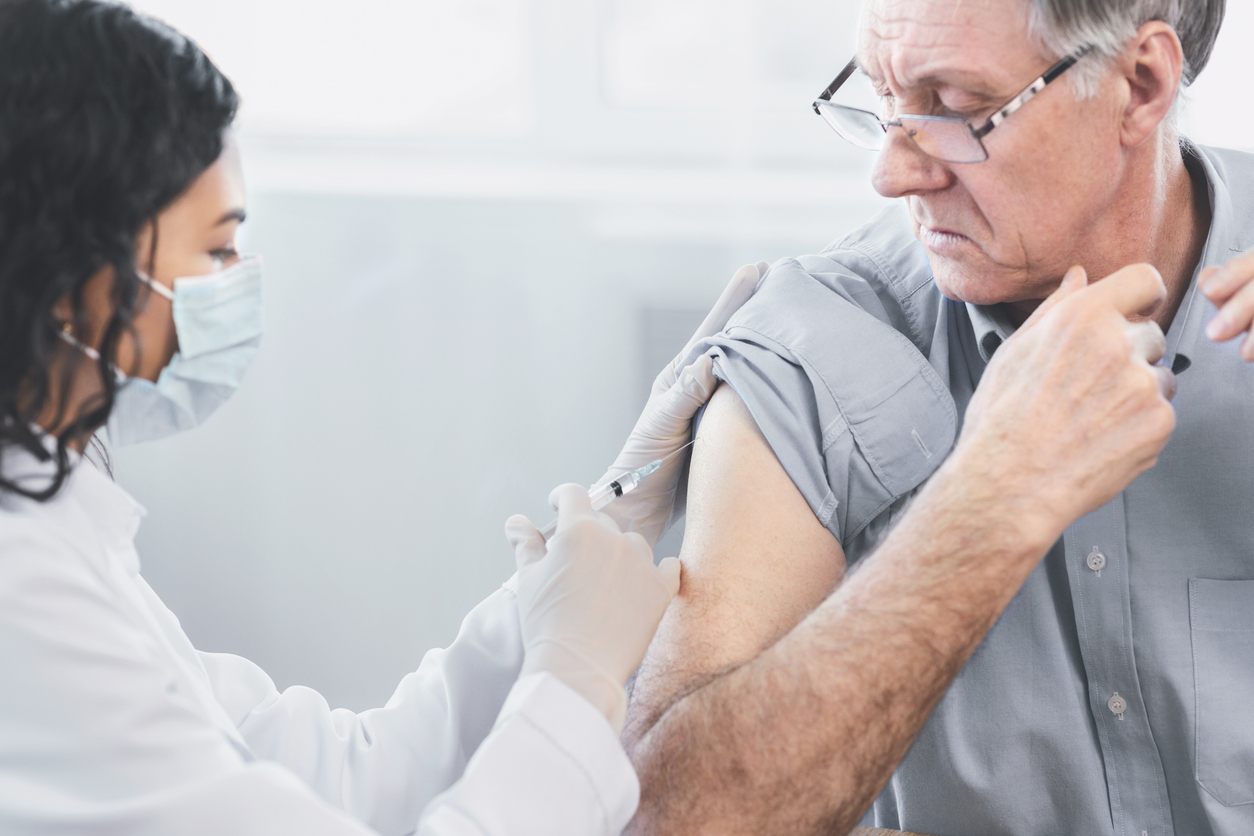
A new study finds that veterans in a supported housing program from the Department of Veterans Affairs (VA) were about 50% more likely to receive a flu shot compared with veterans not enrolled in the program.
In the study, published this week in JAMA Network Open, researchers identified nearly 500,000 veterans experiencing homelessness, of whom 61,018 entered a supported housing program from the VA and the Department of Housing and Urban Development (HUD). Veterans were eligible for the program if they experienced homelessness for at least two consecutive months from June 1, 2020, to November 30, 2024.
Supported housing combines affordable housing with support services for people with complex challenges, including mental illness or substance use disorders. Supported housing, an evidence-based approach, is associated with better health outcomes and lower health care costs. According to one study, placement in supported housing resulted in a 14.3% reduction in emergency department visits and a 25.2% reduction in associated spending.
Supported housing may improve preventive service uptake
In the new study, 32% of veterans in supported housing received flu vaccines, compared with 21% of other veterans experiencing homelessness, and had 48% higher odds of receiving a flu vaccine. Veterans were more likely to be vaccinated against the flu if they were older and had more health complications at the beginning of the study period. More than 87% of veterans in the study were men, with a mean age of 52 years.
The retrospective study was led by researchers from the VA. In the study, authors wrote that the VA/HUD program “can improve preventive service uptake among homeless populations by helping individuals prioritize health and reduce barriers to care.”
Authors noted that it’s possible that the housing program attracted more health-conscious veterans who were already more inclined toward getting a flu shot. If that’s true, it could have biased the results.
Still, authors wrote, “These findings underscore the promise of integrated housing and health care strategies for improving preventive health in people experiencing homelessness.”