Mild cases in seven nurses show the disease isn't always severe.
The first patient in a three-person family cluster of MERS-CoV (Middle East respiratory syndrome coronavirus) cases in Riyadh, Saudi Arabia, apparently caught the virus from some unknown source while in the hospital, according to a report in the International Journal of Infectious Diseases. The cases occurred in February and March.
Three women in Saudi Arabia have contracted MERS; two of them are health workers.
The World Health Organization (WHO) yesterday released a nine-page interview questionnaire to help in investigation of suspected and confirmed MERS-CoV (Middle East respiratory syndrome coronavirus) infections.
The questionnaire is intended mainly for gathering information about how patients were exposed to the virus. It includes detailed questions about travel history and exposure to animals, foods, and sick persons.
A virus-like particle (VLP) vaccine for H7N9 avian flu protected mice against the virus in a challenge trial, Novavax Inc. reported in a Jul 26 article in Vaccine.
More MERS patients had preexisting health problems and were much more likely to die.
Would-be pilgrims to Saudi Arabia who have chronic conditions should consult a health provider, the WHO says.
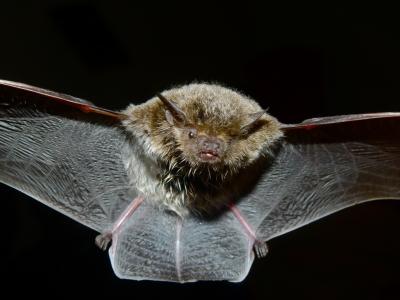
A coronavirus found in a South African bat may be MERS-CoV's closest relative.
Majorities of respondents in 22 of 24 nations are concerned that cases of Middle Eastern respiratory syndrome (MERS) might be detected in their country soon, according to a Reuters/Ipsos poll of 15 developed countries and 9 developing nations released today, Ipsos said in a news release.
The OIE says there is little evidence of a link between camels and MERS-CoV cases.