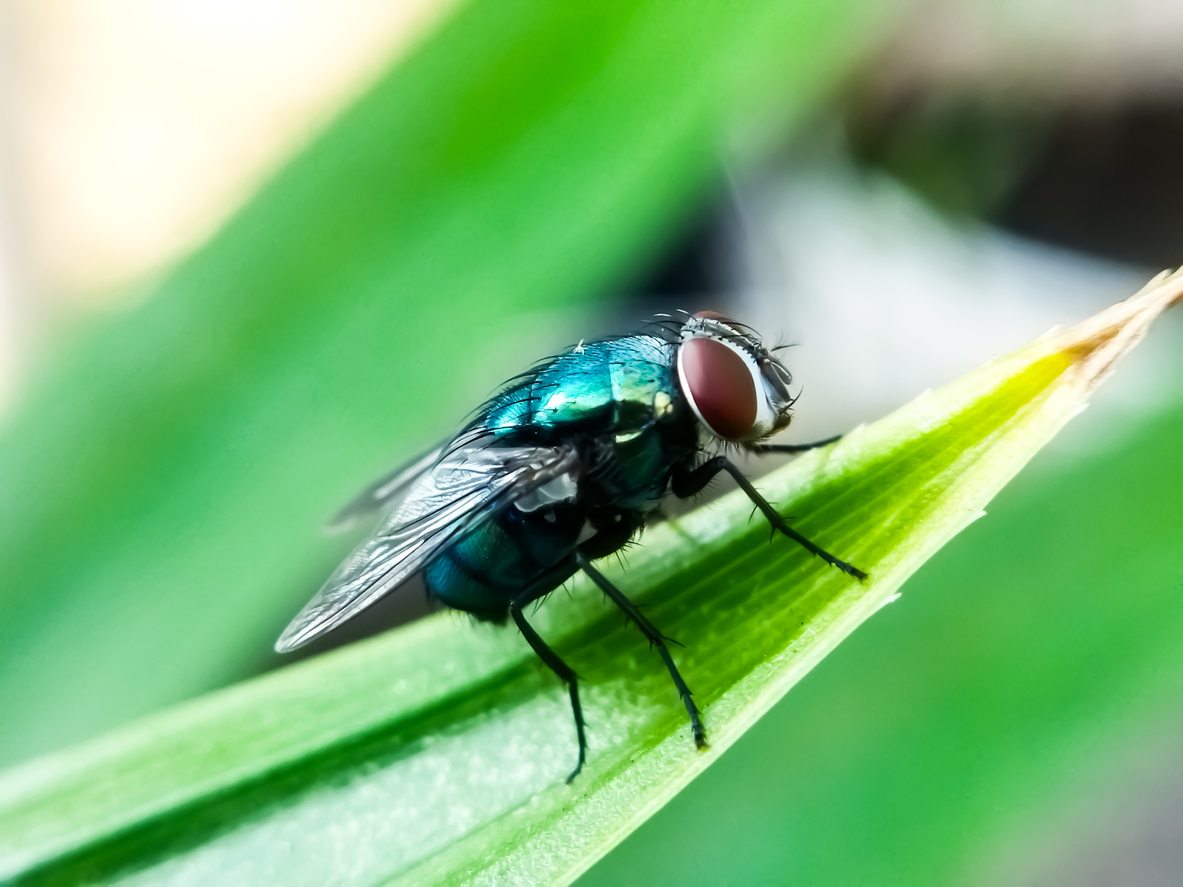
Mexican health officials are reporting six new human cases of myiasis caused by New World screwworm (NWS) over the past week.
In an epidemiologic surveillance report released earlier this week, Mexico's Ministry of Health said 141 cases have now been reported from eight Mexican states, up from 135 the previous week. Most of the cases (103) of the parasitic infection, which is carried by the Cochliomyia hominivorax fly, have been in Chiapas. Mexico has also reported more than 600 cases in animals.
The infection occurs when the flies deposit eggs into the open wounds and mucous membranes of warm-blooded animals; the eggs develop into larvae that burrow into the flesh, causing severe damage. Cases can be fatal if left untreated.
Sterile fly dispersal facility opens
While human cases are rare, US officials have been concerned about the northward spread of NWS from Central America and the potential threat to the US cattle industry.
In May 2025, the US Department of Agriculture (USDA) suspended livestock imports at the southern border because of an increase in cattle infections in Mexico. The following month, USDA Secretary Brooke Rollins announced the agency would launch a sterile fly dispersal facility in Edinburg, Texas, near the Mexican border.
Releasing sterile male flies outside of affected areas ensure that female NWS flies, which only mate once, will encounter only sterile partners and not be able to reproduce.
The USDA announced the completion of the facility earlier this week.
"This new facility is a monumental achievement for our domestic preparedness efforts, but we are also diligently working to stop the spread of screwworm in Mexico, conduct extensive trapping and surveillance along the border, increase U.S. response capacity, and encourage innovative solutions," Rollins said in a press release.
-2-2.jpg)