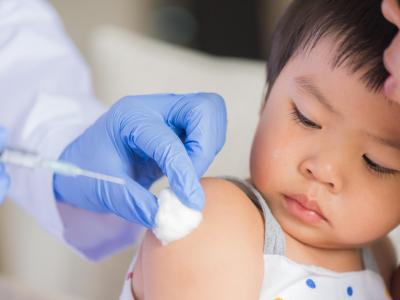
The findings also highlight the incremental protection of the vaccine against severe illness and hospitalization.
A simulation estimated that reallocating COVID-19 treatment based on risk for severe infection would have prevented 16,500 COVID-related deaths.
The company says it will allow use of animal antibiotics in its chicken supply, but not antibiotics that are also used in human medicine.
Listen to our conversation with Brad Spellberg, MD, Chief Medical Officer at the Los Angeles County-University of Southern California Medical Center. We discuss his recent New England Journal of Medicine paper, and important issues around sustainable antibiotic discovery and development.
The vaccine didn't reduce C difficile infections in at-risk adults, but it did show the potential to reduce infection severity and limit need for medical attention.
The announcement comes just 2 days after Kennedy removed all 17 members of the Centers for Disease Control and Prevention's vaccine advisory committee.
Pradofloxacin is a third-generation fluoroquinolone, which is considered a medically important antibiotic class.
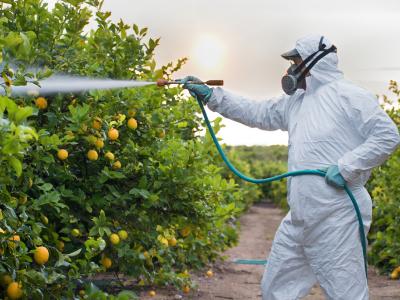
A coalition of groups is asking the agency to ban pesticides containing oxytetracycline, streptomycin, gentamicin, kasugamycin, ipflufenoquin, and triazole fungicides.
Senate Bill 2994A, was passed by New York lawmakers in June 2019 following two large measles outbreaks.
The authors add that catch-up nirsevimab administration is a powerful tool for reducing primary care burden during RSV season.
Only 15% of responding pediatricians reported obtaining training on antibiotic use and antimicrobial resistance, and only 25% said they were aware of antimicrobial stewardship.
Compared with nonusers, frequent antibiotic users preferred to act in uncertain medical situations, rather than watch and wait.
A tripling in incidence was seen among women aged 21 to 30 years.
Climate change threatens to create more endemic regions in Africa.
Without citing evidence, Ken Paxton said he is targeting a purported system that illegally incentivizes providers to recommend vaccines that are "not proven to be safe or necessary."
Vaccine halved risk of medically attended COVID, reduced H1N1 flu risk by 60%.
The most common reasons given for forgone care were fear of contracting COVID-19 and difficulty securing an appointment.