Also, the CDC estimates that 216 million visits are made to the US from Zika-hit nations.
In other developments, officials update guidance on sexual transmission and antibody testing.
Women in the sexually active age-group are much more likely than men to be infected with Zika virus.
In addition, Spain has reported a microcephaly case related to Zika virus infection.
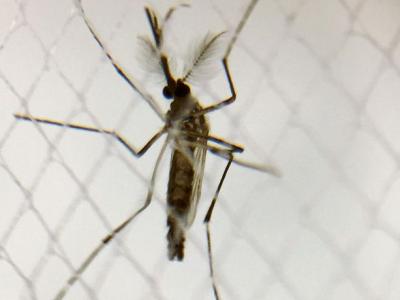
Also, Consumer Reports warns that some plant-based repellents don't work well against Aedes mosquitoes.
Also, PAHO posts ethics guidance, and Colombia and Costa Rica note microcephaly.
The WHO director-general says a massive policy failure allowed mosquito control to lapse in the '70s.
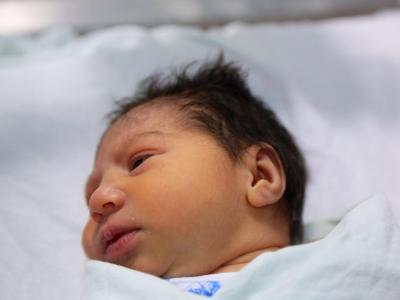
CDC officials said fewer than a dozen birth defects and miscarriages have been reported in pregnant women who were infected with Zika virus.
The detection has triggered more efforts to beef up surveillance and testing capacity in African countries.
In other developments, new community engagement programs are under way in the Americas, including a superhero-themed campaign aimed at kids.