Also, the first US Zika death was reported and local transmission was announced in St. Barthelemy.
Case numbers increased in US territories, as did travel-linked ones on the mainland, and little changed last week at the global level.
The White House is stepping up calls for Congress to pass $1.9 billion in emergency funding.
A cell-culture study shows that earlier dengue illness might boost Zika severity; also, HHS announces $5 million in Puerto Rico aid.
Also, researchers report that the virus was circulating in Haiti in late 2014.
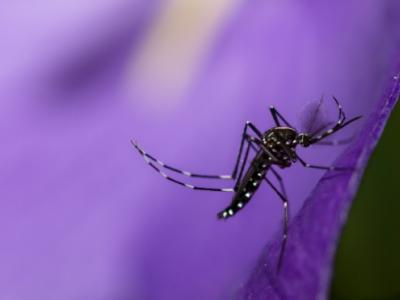
Also, Mexican scientists have detected Zika virus in Aedes albopictus mosquitoes for the first time in the Americas, and US officials posted guidance for protecting workers.
Talks are under way to break the stalemate, with a survey showing broad Zika support.
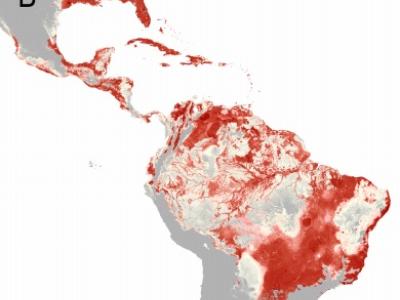
Study says 2.2 billion people live in areas suitable for Zika spread, and over the next year more than 5 million babies will be born in vulnerable parts of the Americas.
In scientific developments, researchers report evidence of Zika virus in the cerebrospinal fluid of 30 Brazilian babies born with microcephaly last fall.
Electrostatic differences in a key protein might explain how Zika virus infects human cells.