More than one-third of invasive E coli isolates are multidrug-resistant, global analysis finds

News brief

An analysis of invasive Escherichia coli isolates collected from 26 countries found that more than one-third were multidrug-resistant (MDR), researchers reported today in Clinical Infectious Diseases.
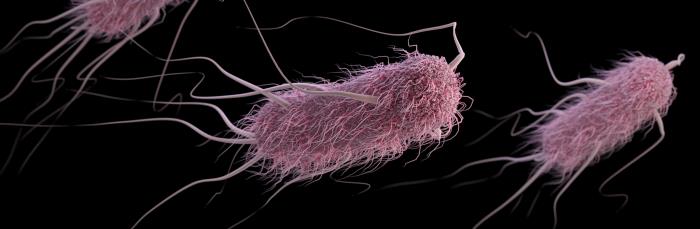
Illustration of E coli bacteria in purple on black background
CDC / Alissa Eckert

The study, by researchers with drugmaker Johnson & Johnson, analyzed more than 10,000 E coli isolates collected from patients with bloodstream infections from 2011 through 2023. The aim of the study was to evaluate the antibiotic resistance, sequence type (ST), and O-serotype distribution of extraintestinal pathogenic E coli (ExPEC), a pathogen that can infect sites outside the intestines and cause invasive E coli disease, or IED, which includes life-threatening conditions like sepsis. 

Increasing antimicrobial resistance rates and the emergence of multidrug-resistant (MDR) E. coli strains represent a major challenge in thetreatment of IED,” the study authors wrote. In particular, resistance to carbapenems, third-generation cephalosporins, aminoglycosides, or fluoroquinolones is an obstacle to successful treatment.”

34% of E coli  isolates labeled as MDR

Of the 10,098 ExPEC isolates collected, 34% were labeled as MDR, but there was a wide variation between countries. India had the highest MDR rate (83.3%), followed by Mexico (76.6%) and China (69.4%), while the Netherlands (12.1%), New Zealand (11.6%), and Sweden (10.6%) had the lowest MDR rates. Countries with lower income levels tended to have higher rates of MDR E coli.

Overall, serotypes O25, O2, O6, and O1 were the most prevalent. Among the MDR isolates, O25 was the most prevalent in all countries (ranging from 11.3% in China to 56.2% in Mexico). ST131, a globally dominant clone and important cause of urinary tract and bloodstream infections worldwide, accounted for 33% of all MDR isolates.

Our findings stress the importance of epidemiological studies to monitor the prevalence of high-risk ExPEC clones and highlight the need for ongoing research into novel preventive and therapeutic strategies, including vaccines, to reduce the burden of bacterial disease and limit the spread of antimicrobial resistance,” the authors concluded.

Climate change is shifting malaria activity in Africa

News brief

Climate change is moving where the malaria hotbeds are in Africa, forcing new regions to contend with the mosquito-borne disease.

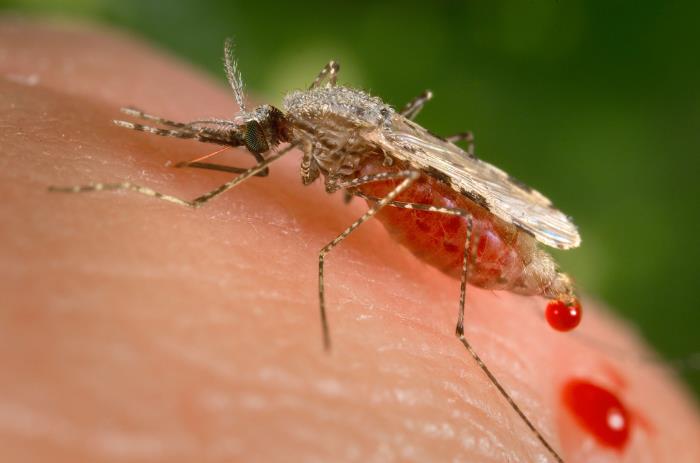
A female Anopheles stephensi mosquito, full of blood, sits on someone's skin.
The female Anopheles stephensi mosquito transmits malaria parasites.
Credit: James Gathany / CDC

Both the malaria parasite and the life cycle of the mosquito vectors, which are cold-blooded, are highly responsive to temperatures, making the disease sensitive to climate change. 

A recent study in Nature finds that rising temperatures have likely increased malaria in high-elevation East and southern Africa, where the weather is typically cooler. At the same time, climate change likely averted a comparable number of cases in West Africa, where temperatures are increasing to a point that it's hot enough to reduce transmission. 

The analysis used 50,425 surveys of malaria infection rates in sub-Saharan Africa, spanning 1900–2016, to calculate monthly averages of the disease at the state or province level. Then, researchers modeled how temperature and extreme precipitation shaped the prevalence of malaria in each region, controlling for factors like seasonality and malaria intervention efforts.

"Over the coming century, we project that climate change could marginally accelerate the elimination of malaria in West and central Africa, where the present-day burden is highest," write the study authors, which include researchers from Yale University, the University of California, Berkeley, and the University of Cape Town.

Malaria mitigation efforts have a larger impact than climate change

Although the effects of climate change on malaria are meaningful, the authors caution that the impact is far smaller than the reductions that have been achieved through medical care, mosquito nets, vector control, and economic development. These investments, they argue, can counterbalance the effects of climate change in most places.

"Malaria elimination within the next generation remains plausible, even in the face of climate change," they said.

They add that future work should explore how emerging methods for predicting climate change could give public health agencies valuable information in preparing for and responding to malaria activity. 

This week's top reads

Our underwriters

Grant support for ASP provided by

Unrestricted financial support provided by