Administering the monoclonal antibody nirsevimab to infants in primary care reduced outpatient antibiotic prescribing for respiratory infections, according to a study by researchers with the Children's Hospital of Philadelphia (CHOP).
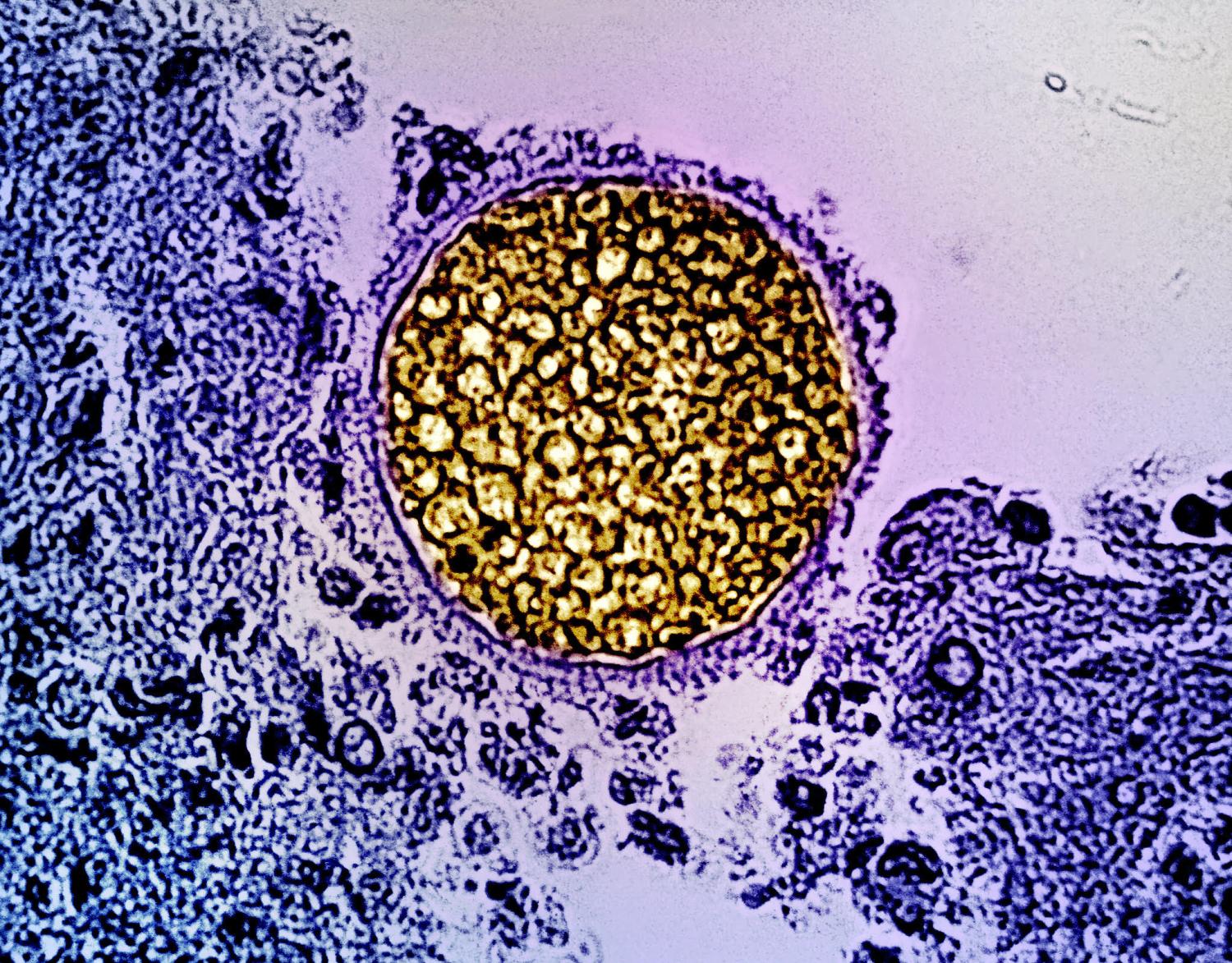
Respiratory syncytial virus (RSV) is the most common cause of hospitalization in children younger than 1 year old and is estimated to be responsible for one out of every three hospitalizations for acute respiratory tract infection (ARTI). It's also a common reason for antibiotic use: Roughly half of children hospitalized with RSV, and nearly one-third of those who show up at outpatient clinics with RSV, receive an antibiotic.
Approved by the Food and Drug Administration in 2023, nirsevimab (Beyfortus) provides infants with immediate, short-term protection against RSV and has been shown to prevent RSV-associated hospitalizations. To evaluate its effectiveness in reducing antibiotic use for ARTIs, the researchers analyzed electronic health record data from 32 practices in the CHOP Primary Care Network. Using target trial emulation, they compared outpatient and inpatient antibiotic prescribing in infants younger than 8 months with ARTIs who received nirsevimab with those who didn't.
“Because (1) ARTIs are the most common indication for sick visits in infants, (2) antibiotic prescribing for viral ARTIs, including those caused by RSV, is common, and (3) RSV infections can either mimic or lead to bacterial illnesses (eg, acute otitis media [ear infection] and pneumonia), nirsevimab use might indirectly reduce safely avoidable antibiotic exposure in this population,” the study authors wrote last week in Clinical Infectious Diseases.
14% reduction in outpatient antibiotics for ARTIs
Among the 15,341 infants (average age, 3.5 month; 48.7% female) who were eligible for inclusion, 7,413 received nirsevimab; both groups were similar in terms of measured characteristics, including gestational age, complex chronic conditions, and insurance coverage. Compared with no treatment, nirsevimab administration led to a 14.4% reduction in antibiotic prescribing for outpatient ARTIs, a 40.3% reduction in antibiotics for outpatient bronchiolitis, and 69.4% reduction in antibiotics for RSV-related hospitalizations.
"Although the primary purpose of nirsevimab is to prevent RSV-associated hospitalizations, this study demonstrates a clinically meaningful reduction in RSV-associated antibiotic use, revealing the additional impact of nirsevimab as an important tool for antibiotic stewardship," the authors wrote.