Officials didn't say how the man contracted the virus, but most past cases involved contact with poultry or poultry environments.
The state is offering affected farms up to $28,000, in addition to earlier announced federal support.
The CDC said the findings aren't surprising, given that the virus hasn't spread widely in people and is very different from seasonal flu strains.
Researchers emphasized that the findings reflect experimental lab conditions and don't reflect large-scale industrial pasteurization of raw milk.
Shared equipment, shared staff, and animal movements were among key findings for virus spread among different farms.
The virus used in the experiment was A 2.3.4.4b, a highly pathogenic H5N1 avian flu virus isolated from a human patient in Chile in 2023.
Wisconsin hasn't reported any dairy herd outbreaks, but three neighboring states have.
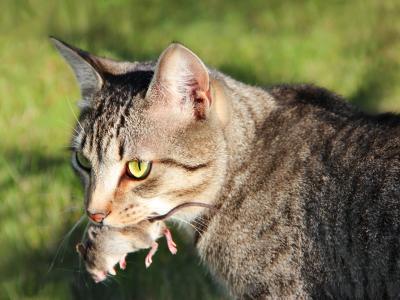
Officials reported 36 more detections in mice, as well as 4 more H5N1 positives in cats.
The child in India had been exposed to poultry, which are known to carry the virus in multiple countries.
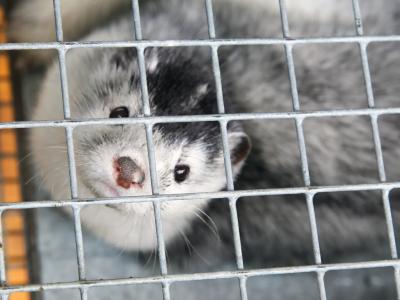
The ferrets used in the study had not been exposed to H5N1 avian flu or any influenza viruses before.