Babies infected with the chikungunya virus during labor and delivery are at high risk of developing serious neurologic problems as newborns, as well as learning problems as they get older, according to a new study.
Nearly half of newborns (48%) infected with chikungunya by their mothers develop serious neurologic problems, the study found. These include seizures; bleeding in the brain; inflammation of the brain tissue; and impairments of nerve, spinal cord, or brain function that cause problems such as weakness in one arm, facial droop, or speech difficulties.
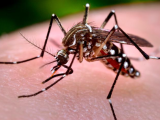
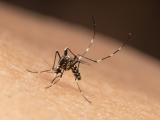
Although babies with chikungunya appear healthy at delivery, they can develop symptoms such as fever, irritability, persistent crying, and problems feeding between three to seven days after birth, according to the study, published in the April issue of eClinicalMedicine. Chikungunya is spread by mosquitoes during warm weather and has been found in 110 countries, including in the Americas, Africa, Europe and Southeast Asia.
The study was led by researchers from several universities in China and the Geisel School of Medicine at Dartmouth.
Long-term neurodevelopmental issues
The same study found that children whose mothers are infected with the mosquito-borne virus in late pregnancy or around delivery are nearly twice as likely as other children to develop long-term neurodevelopmental problems, which can include intellectual disabilities and difficulty learning.
By 21 months, more than half of toddlers infected at birth with chikungunya had significant delays in two or more areas of development, compared with15% of non-infected children. By age 10, 62% of those infected with chikungunya as newborns had language disorders.
Because of the design of the study, which combined the results of 26 previously conducted studies, researchers cannot definitively conclude that chikungunya infection caused the children’s neurologic problems.
But the strong association between chikungunya and serious medical problems in children underscores the importance of protecting pregnant women from mosquito bite, said Daniel Lucey, MD, co-author and a clinical professor of medicine at Dartmouth.
Babies who are high risk because of a mother’s infection should be closely monitored and followed up over time, Lucey told CIDRAP News. Children with neurologic impairments should have access to early-intervention services, as well as family support. In regions where chikungunya spreads, doctors should consider testing babies with seizures that can’t be explained by any other cause, he said.
Chikungunya cases are on the rise globally, as the mosquitoes that spread the virus expand their range, Lucey said. More than 500,000 people were infected with chikungunya in 2025, and 178 died, according to the World Health Organization.