The outbreak total climbs to 306,837 cases, a 42,393-case increase.
The number of chikungunya cases imported into the United States rose by 41 in the past week, to 114, the Centers for Disease Control and Prevention (CDC) said in an update yesterday. The number of states reporting imported cases climbed from 22 to 27, plus the US Virgin Islands.
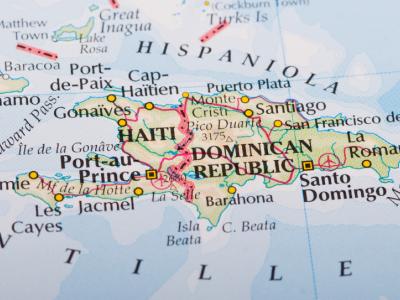
Cases rose sharply last week, led by the Dominican Republic and Haiti.
Cases include the first in Mexico and Grenada and two locally acquired infections in Venezuela.
Suriname health officials yesterday said more chikungunya infections have been detected, suggesting the possibility of local transmission, Caribbean Media Corporation (CMC) reported today.
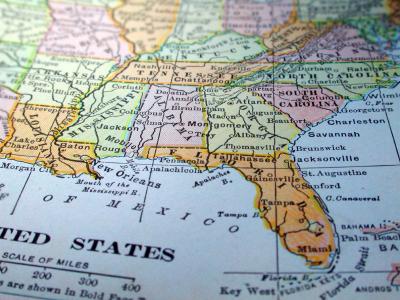
The numbers are up from 57 cases in 13 states a week ago, and Florida now has 34 cases.
With 18,519 new cases, the number of suspected or confirmed cases reaches 189,055.
An outbreak of an unknown febrile illness that initially prompted suspicion for hemorrhagic fever or Middle East respiratory syndrome coronavirus (MERS-CoV) has been diagnosed as dengue fever, the World Health Organization (WHO) said yesterday in a statement.
Cases of the mosquito-borne disease in the region grew by more than 35,000 in 1 week.
An Austrian pharmaceutical company today reported promising findings from a phase 1 study of its candidate chikungunya vaccine. The vaccine, which uses a standard measles vaccine vector, induced a significant neutralizing immune response and appeared to be safe, according to a press release from the Vienna-based company, Themis Bioscience.