Saudi Arabia's Ministry of Health (MOH) late on Mar 21 reported three cases of Middle East respiratory syndrome coronavirus (MERS-CoV) infections in adults from Riyadh.
The Caribbean now has 10,476 confirmed, probable, or suspected cases of chikungunya, the European Centre for Disease Prevention and Control (ECDC) said late last week, up from 6,540 the week before.
Martinique and neighboring Caribbean islands have seen a major surge of suspected chikungunya cases this week, and two locally acquired cases in French Guiana mark the first indigenous cases in South America, the European Centre for Disease Prevention and Control (ECDC) reported today.
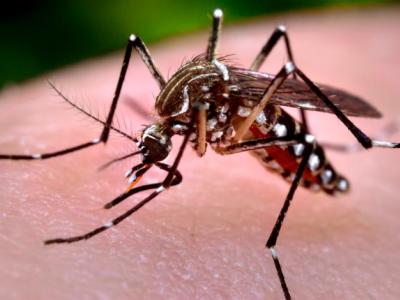
Chikungunya, which has a foothold in the Caribbean, seems likely to spread to other parts of the Americas.
The count of confirmed and probable chikungunya cases on Caribbean islands and neighboring areas reached 1,446 late last week, a spike of 411 cases in only 4 days, the European Centre for Disease Prevention and Control (ECDC) reported on Feb 7.
The ECDC said St. Martin has reached 601 cases on the French side of the island, an increase of 125 cases, and 60 on the Dutch side, which saw a dramatic 51-case increase.
A 67-year-old Saudi Arabian citizen in Riyadh is hospitalized for treatment of a Middle East respiratory syndrome coronavirus (MERS-CoV) infection, the Saudi Ministry of Health (MOH) announced yesterday.
In a statement dated yesterday, the ministry said the man has a chronic disease and is being treated in an intensive care unit. It gave no details about his possible sources of exposure to the virus or when he fell ill.
Caribbean territories reporting indigenous cases of Chikungunya fever now number six and confirmed and suspected cases number at least 786, with several more imported cases as well, according to a Jan 24 report from the Pan American Health Organization (PAHO).
That number is up from 485 in the previous update, from the European Centre for Disease Prevention and Control, on Jan 20.
The number of confirmed or probable cases of chikungunya—a mosquito-borne disease that, aside from imported cases, had not been seen in the Caribbean until just last month—on St. Martin and nearby islands has spiked to 485, the European Centre for Disease Prevention and Control (ECDC) said in an update yesterday.
Rotavirus vaccination in infants slightly raises the risk of a specific intestinal disorder, researchers reported today in The New England Journal of Medicine.
The victim of the first human H5N1 infection reported in the Americas was a woman in her 20s from Red Deer, Alta., who was a nurse at a hospital there, according to reports in the local newspaper, the Red Deer Advocate.