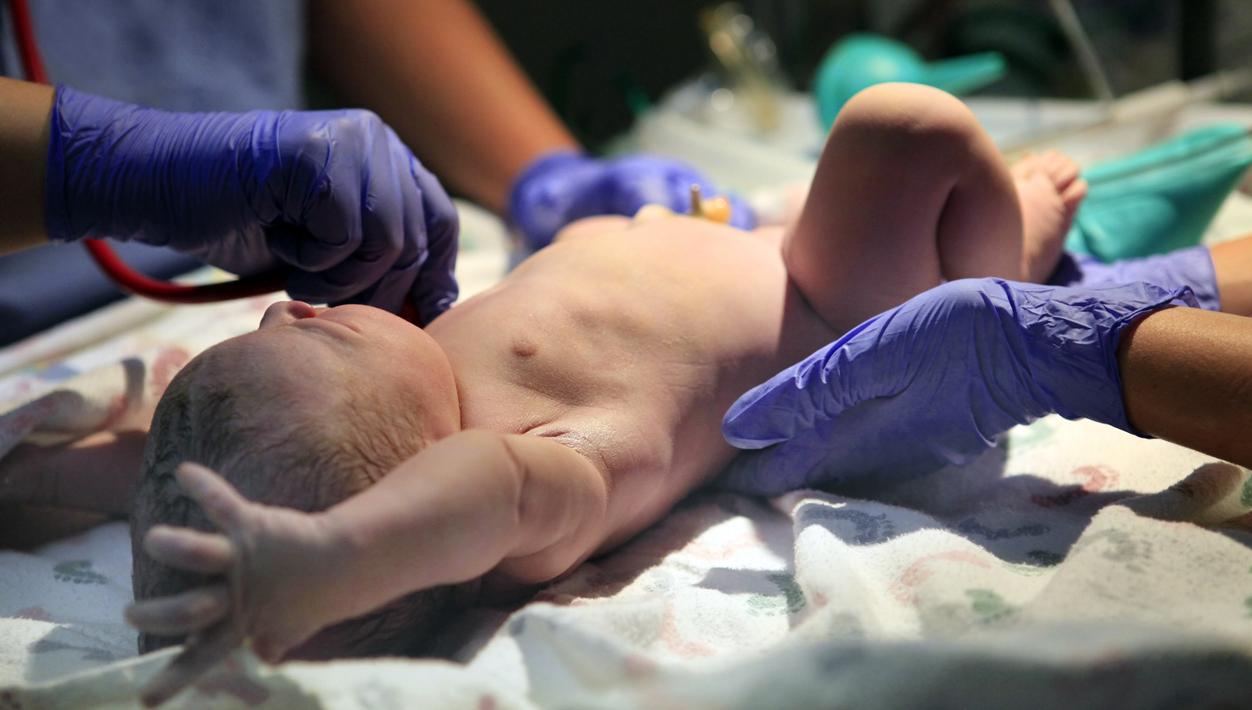
Yesterday the Centers for Disease Control and Prevention (CDC) officially adopted recommendations from the Advisory Committee on Immunization Practices (ACIP) made on December 5 to end universal vaccination against hepatitis B at birth, and instead move to individual-based decision-making that lets parents decide when and if to vaccinate against the virus if the mother tests negative for hepatitis B virus.
The CDC still recommends a hepatitis B vaccine within 12 hours of birth if the mother has hepatitis B or if her status is unknown.
Former recommendation had been in place 34 years
The CDC also said if a baby is not receiving a birth dose of vaccine, the initial dose should be administered no earlier than two months of age. The CDC first made the recommendation for a birth dose of hepatitis B vaccine in 1991, followed by two more doses before 18 months of age to complete a three-dose series.
We are restoring the balance of informed consent to parents whose newborns face little risk of contracting hepatitis B.
“This recommendation reflects ACIP’s rigorous review of the available evidence,” said Acting Director of the CDC and Deputy Secretary of Health and Human Services Jim O’Neill in a CDC press release. “We are restoring the balance of informed consent to parents whose newborns face little risk of contracting hepatitis B.”
The CDC said it is still considering a secondary recommendation made by ACIP, which suggests parents should consult with a health care provider on serology testing to determine whether a subsequent hepatitis B vaccine dose is needed.