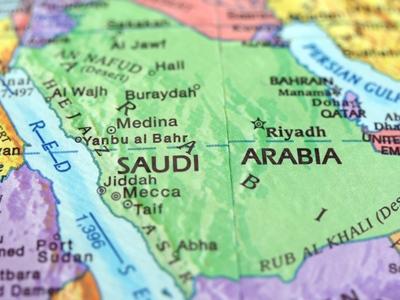
Saudi Arabia's Ministry of Health (MOH) today reported one new MERS-CoV case in the southeastern city of Jazan and also announced the death of a previously reported patient.
Saudi Arabian officials have reported three more MERS cases and one resulting death in the past 2 days, including a case in Buraydah, the site of a series of mostly healthcare-related cases this month.
The number of bloodstream infections caused by Elizabethkingia anophelis in Wisconsin rose by 5 this week, to 59, bringing the number of US cases to 60.
In a Mar 23 update, the Wisconsin Department of Health Services (WDHS) reported 52 confirmed, 4 possible, and 3 "under investigation" cases. Last week's Elizabethkingia total in the state was 54 cases.
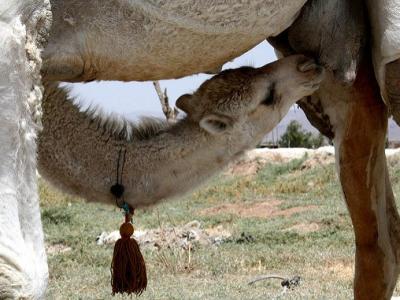
Also, the WHO details 4 cases, 2 in Buraydah and 1 involving drinking of raw camel milk.
A MERS-CoV cluster in Buraydah, Saudi Arabia, has grown by 2 cases, 1 of which was fatal, to 28 since Mar 3, the Saudi Ministry of Health (MOH) reported today. The agency also noted that a previously reported patient in Buraydah died from his infection.
Saudi Arabia reports 5 new MERS cases, 3 of them in Buraydah, and the WHO notes 6 cases.
One of today's new MERS-CoV cases is linked to a hospital outbreak in Buraydah, which it at 23 cases now.
Researchers at the University of North Carolina at Chapel Hill (UNC) say their research shows that viruses much like the SARS (severe acute respiratory syndrome) coronavirus (CoV) are still lurking in horseshoe bats in China and could jump to humans.
The scientists described their research in a Mar 13 article in the Proceedings of the National Academy of Sciences (PNAS).
Today's WHO statement revealed that all of the recent healthcare-linked cases from Buraydah are from the same hospital.
Saudi Arabia's Ministry of Health (MOH) reported two asymptomatic MERS-CoV cases today related to a healthcare cluster in Buraydah that now includes 19 cases. The agency also noted that three previously reported patients died from their infections, including two in Buraydah.