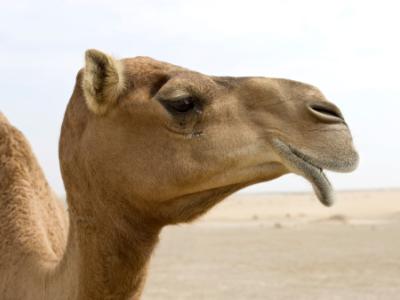
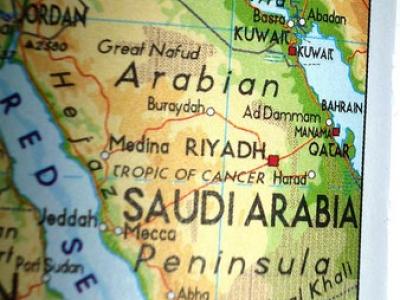
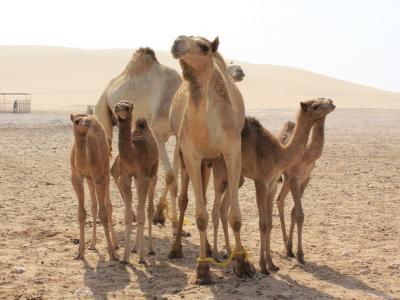
After 12 days without a MERS case, Saudi Arabia reports one involving contact with a camel.
Oman's case is its seventh, while the Saudi cases reflect typical exposure patterns.
As officials note an illness in Unaizah, UAE scientists detail a fatal case involving a pregnant woman.
After going 9 days without reporting a MERS-CoV infection, Saudi Arabia's Ministry of Health (MOH) confirmed a case yesterday.
The Minnesota Department of Health (MDH) said yesterday that a new norovirus strain implicated in outbreaks in Asia last winter has turned up in Minnesota. In a statement, it said sporadic cases involving the GII.17 Kawasaki strain were detected earlier this year, and that the strain was involved in an outbreak for the first time last week.
The criteria that Doctors without Borders (Medecins Sans Frontieres, or MSF) use in triaging West Africa Ebola patients resulted in more than a third of patients falsely testing positive, and the guidance needs to be revised, a study yesterday in Eurosurveillance concluded.
One study builds a strong case for camels' role in human disease, and the 2nd shows promise for a camel vaccine.
After going more than 2 weeks without a MERS-CoV case, Saudi Arabia today reported its second in as many days.
Saudi Arabia's Ministry of Health (MOH) today reported a MERS-CoV case, the country's first in 15 days. The case, from Buraidah, is likely linked to another recent case from the same location. The latest patient is a healthcare worker who contracted the virus in a healthcare setting.
The use of antimicrobial drugs in farm animals raised for food increased 4% from 2013 to 2014 and a dramatic 22% from 2009 to 2014, the US Food and Drug Administration (FDA) said yesterday in its annual report on such drug use.