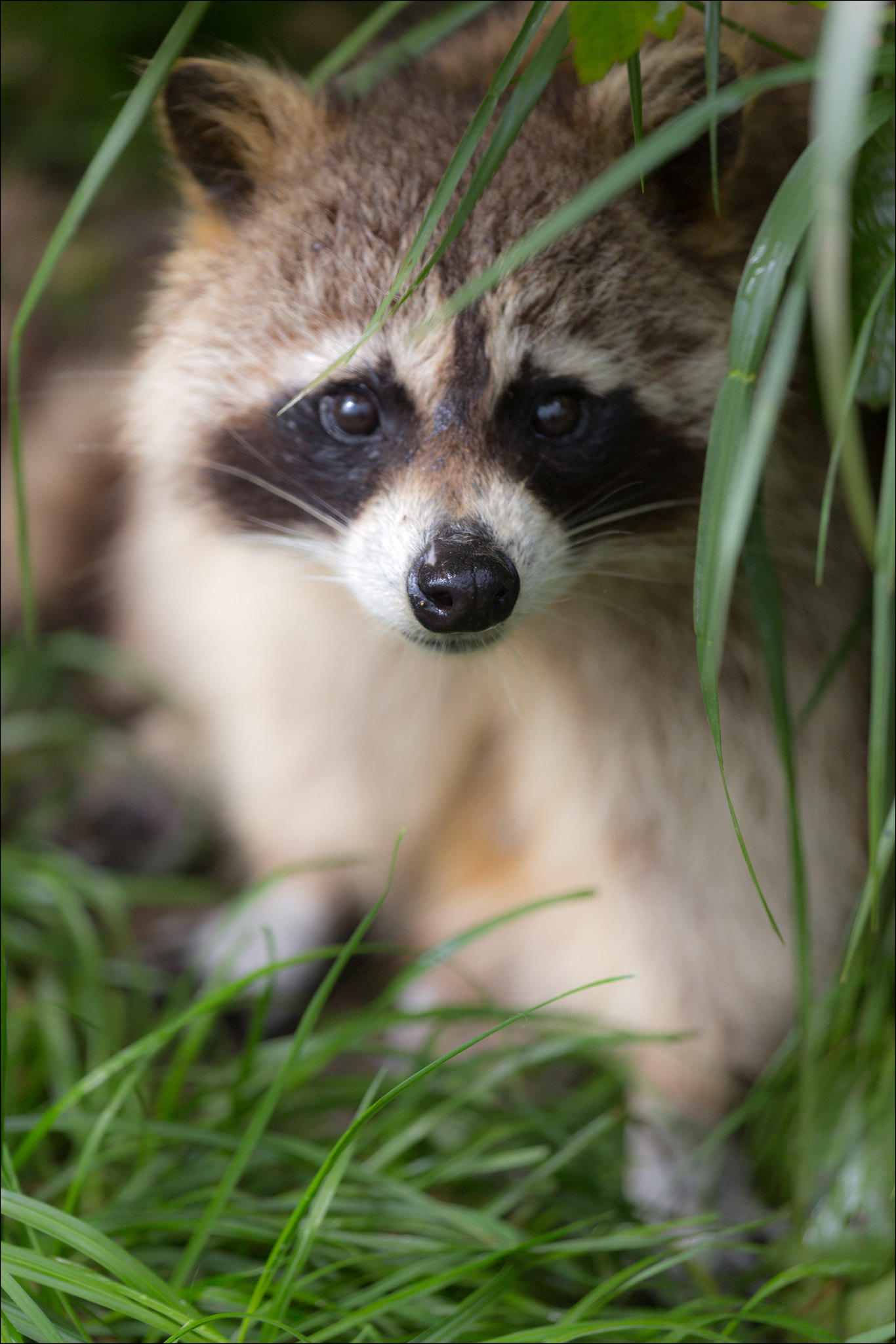
Raccoon roundworm has now spread to nine European countries, raising the risk of human infection, according to a review and analysis by Goethe University researchers published in Parasitology Research.
Of the 146 raccoons examined in necropsy, 66.4% were infected with the Baylisascaris procyonis roundworm. "The results show both an expansion of the roundworm's distribution area and stable infection occurrence at high levels in German raccoon populations," Sven Klimpel, of Goethe University Frankfurt, said in a university news release.
The analysis revealed that, in Europe, the roundworm primarily occurs in wild raccoons in Central Europe, with extremely high infection rates in some areas. Three cases have resulted in permanent visual impairment.
“It is assumed that many cases remain undetected or are misdiagnosed due to non-specific symptoms," Klimpel said. Human cases are difficult to diagnose due to a lack of specific diagnostic tests in Europe. Definitive diagnosis is currently only possible in the United States and Canada.
“The actual distribution of the roundworm is likely significantly underestimated due to insufficient or absent data collection,” he added.
Can cause permanent neurologic damage or death
Adult roundworms live in the small intestine of raccoons. Female roundworms produce up to 180,000 eggs daily, which contaminate the environment via feces, where they develop into infectious larvae within two weeks. People become infected by accidentally ingesting infectious eggs from contaminated soil, water, or objects.