The Trump administration is reportedly working on plans to develop an alternative to the disease-surveillance and outbreak-response programs it previously had access to as a member of the World Health Organization (WHO).
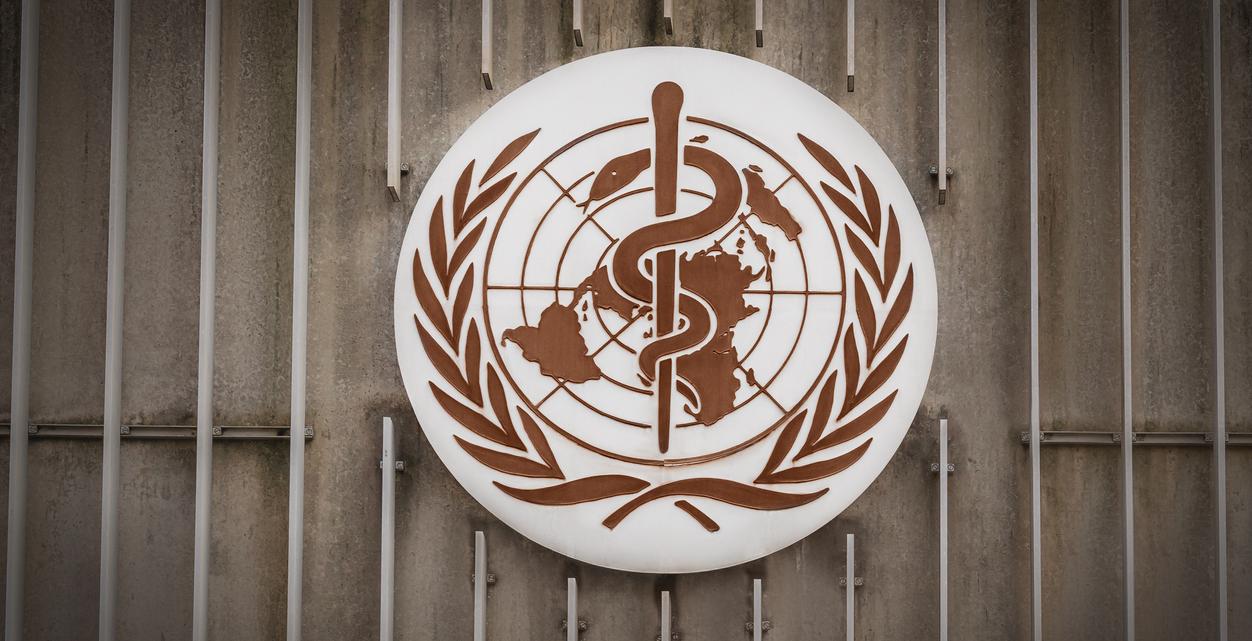
According to reporting by the Washington Post, the Department of Health and Human Services (HHS) is seeking up to $2 billion a year to build a worldwide disease-monitoring system that would “recreate systems such as laboratories, data-sharing networks, and rapid-response systems” that the United States once helped build for the WHO. The Post notes that the price tag is roughly three times the $680 million the US government contributed annually to the WHO before it left the organization.
The Trump administration formally withdrew from the WHO on January 22, saying that the agency had “abandoned its core mission and acted repeatedly against the interests of the United States.”
“Although the United States was a founding member and the WHO’s largest financial contributor, the organization pursued a politicized, bureaucratic agenda driven by nations hostile to American interests,” HHS Secretary Robert F. Kennedy Jr. and Secretary of State Marco Rubio said in a joint statement.
The statement also said the United States would continue “advancing global health security through direct, bilateral, and results-driven partnerships.”
Path forward for global health
What that will look like is unclear. In response to a request from CIDRAP News for confirmation and further clarification of the Post’s reporting, HHS spokesman Andrew Nixon said, “HHS is working with the White House in a deliberative, interagency process on the path forward for global health and foreign assistance that first and foremost protects Americans.”
The decision to leave the WHO has been widely condemned by global health and infectious disease experts, who’ve warned that it will jeopardize disease surveillance and the ability to keep the country safe from outbreaks.