In a statement, the AAP renews its call for a ban on the sale and distribution of unpasteurized milk products.
Almost 60 people have been sickened since May.
The CDC's FoodNet program has reduced required surveillance from 8 foodborne pathogens to 2, a move some experts warn could leave the country more vulnerable to outbreaks.
Seven people have been hospitalized, and severe complications have been reported for at least two cases.
The most common pathogen-animal pair was Salmonella and poultry, followed by Cryptosporidium and ruminants and Salmonella and turtles.
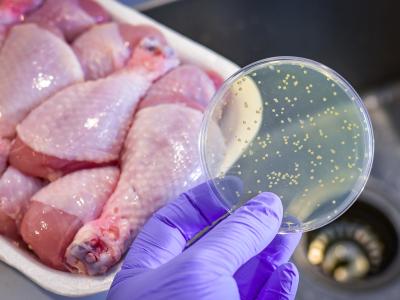
Surveillance data from 33 nations show that resistance to ampicillin, tetracyclines, and sulfonamides remains "persistently high" in Salmonella and Campylobacter.
Researchers found that 41% of Campylobacter isolates from poultry in Kenya and Tanzania were resistant to 3 or more antibiotics.
Of backyard flock samples, 22% tested positive for Campylobacter, compared with 12% of the farm samples, and many were antibiotic-resistant.
Raw Farm (formerly Organic Pastures) of Fresno, California, has been linked to the outbreak.
The incidence of domestically acquired campylobacteriosis, pathogenic E coli infection, yersiniosis, vibriosis, and cyclosporiasis increased.