US allocates $5.9 billion for global HIV programs in spending bill

News brief
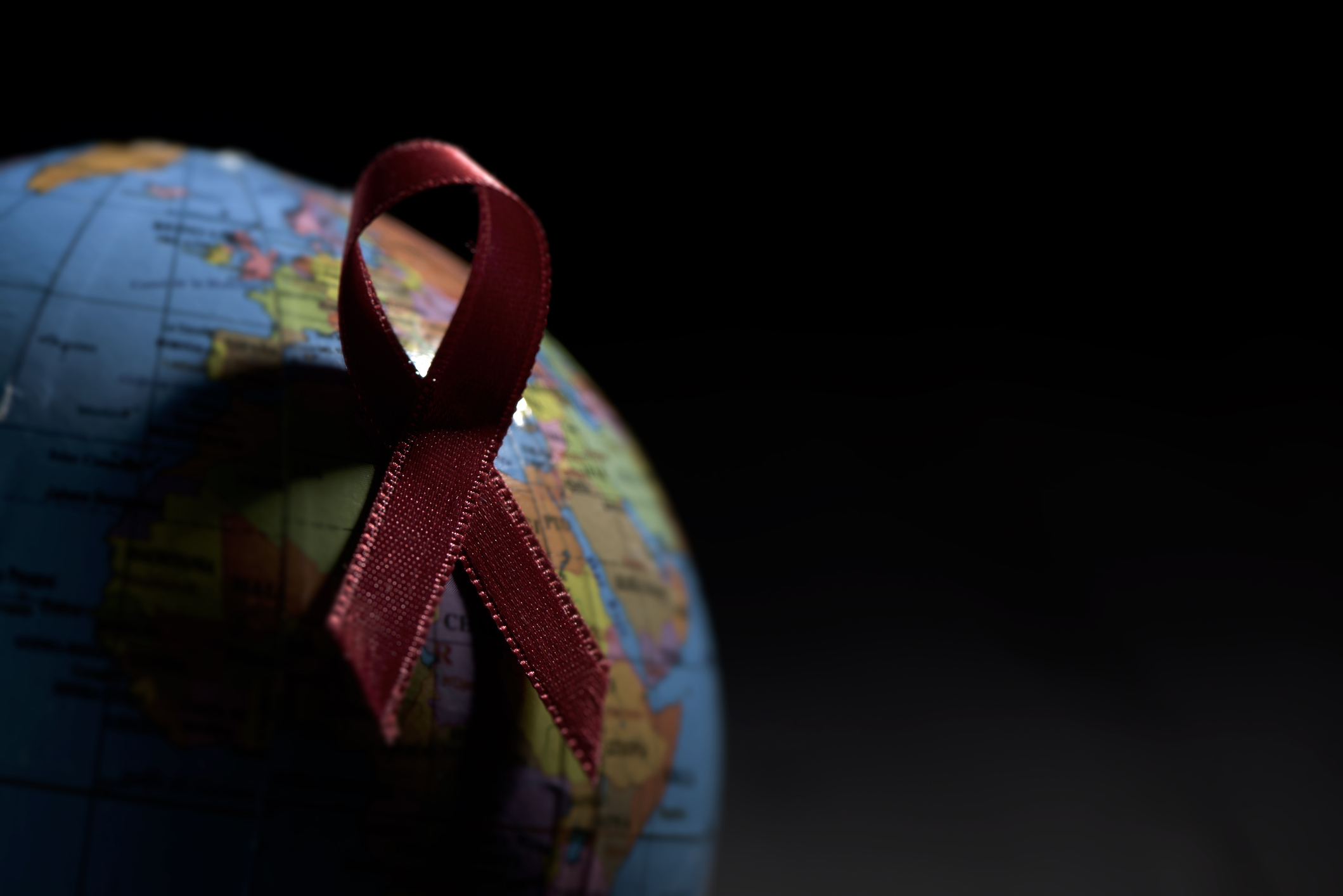
Globe and AIDS ribbon
nito100 / iStock

This week, President Donald Trump signed into law a $5.9 billion spending package aimed at supporting the global response to HIV/AIDS and global public health. The signing of the appropriations bill was hailed by the Joint United Nations Programme on HIV/AIDS (UNAIDS) as providing life-saving support for millions of people across the globe. 

“I thank President Trump and the US Congress for their continued commitment to HIV and global health,” UNAIDS Executive Director Winnie Byanyima, MS, said in a press release. The investment will “help to ensure that the global HIV response remains efficient, data-driven and delivers results.”

The bill allocates $4.6 billion for HIV support through the America First Global Health Strategy; $1.3 billion for the Global Fund to Fight AIDS, Tuberculosis and Malaria; and $45 million directly to UNAIDS. 

Debate about US role in global health funding

US investment has been central to decades of progress in combating HIV/AIDS across the globe, according to UNAIDS, and the 2026 investment will help advance UNAIDS’ goal of ending AIDS as a public health threat by 2030. The United States has partnered with UNAIDS since its founding in 1996, and it recently renewed its membership in the UNAIDS Programme Coordinating Board through 2028.
I thank President Trump and the US Congress for their continued commitment to HIV and global health.

Winnie Byanyima, MS

The new spending package comes amid broader debates over the US role in global health funding. Last spring, the US House of Representatives allocated $9.4 billion for global health programs as part of a more than $1 trillion spending package, signaling bipartisan support for investing in global health even as total allocations remain lower than previous years and despite the Trump administration’s proposed cuts to global spending. 

Of the $9.4 billion designated for global health programs, roughly $5.9 billion will be directed to HIV/AIDS programs, including $1.3 billion for the Global Fund to Fight AIDS, Tuberculosis and Malaria; $45 million for UNAIDS; and $4.6 billion for the President’s Emergency Plan for AIDS Relief (PEPFAR), the flagship US program founded in 2003. These numbers represent $200 million more for PEPFAR this year, but a $400 million decrease (24%) for the Global Fund from 2025. 

Avian flu behind mass skua die-off in Antarctica, scientists say

News brief
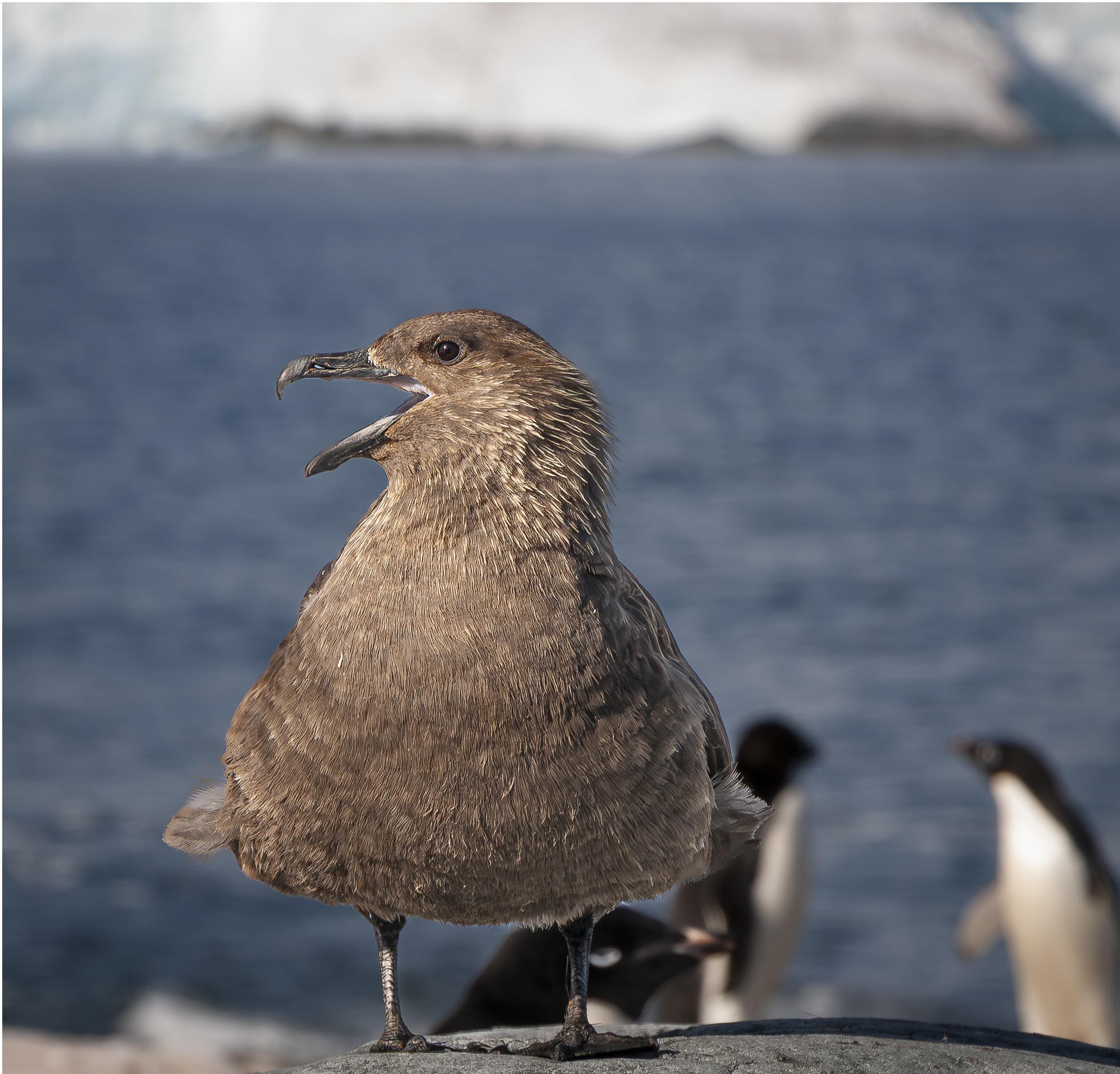
Skua
Ignacio Ferre Perez / Flickr cc

More than 50 skuas (gull relatives) died of highly pathogenic H5N1 avian flu in 2023 and 2024 in Antarctica, the first documented wildlife die-off from the virus on that continent, per an Erasmus University–led study published in Scientific Reports.

The researchers describe the deaths, which occurred in the summers of 2023 and 2024 in a skua breeding colony at one of 10 sites in Antarctica they visited as part of a research expedition in March 2024. Skuas are scavenging seabirds that live primarily in polar and subpolar regions. 

The team surveyed wildlife at the South Shetland Islands, northern Weddell Sea, and Antarctic Peninsula, collecting tissue samples, performing post-mortem exams, and gathering environmental samples. 

While H5N1 has been circulating in Antarctica since 2023, “this is the first study to show they died of the viral infection,” co-senior author Ralph Vanstreels, DVM, PhD, of the University of California Davis, said in a university news release.

‘If nobody is watching, we won’t know what is happening’

H5N1 was detected at three sites and diagnosed as the cause of death of nearly all dead skuas at Beak Island. The birds rapidly died of multi-organ necrosis (tissue death). The virus didn’t kill other examined species such as penguins or fur seals.

We let the virus slip out through our fingers when it first emerged in the poultry industry. 

Thijs Kuiken, DVM, PhD

The same H5N1 strain decimating Antarctic skuas has killed sea lions in Argentina and Chile and more than 400 million poultry around the world. It has also infected people, cows, mink, foxes, and other mammals.

“We let the virus slip out through our fingers when it first emerged in the poultry industry,” senior author Thijs Kuiken, DVM, PhD, of Erasmus University, said. “Once it got into wild bird populations, we lost ability to control this virus. Now it’s established in wild bird populations in all the continental regions of the world except Oceania.”

The researchers say avian flu adds to the stressors affecting wildlife in Antarctica, which include climate change and increased tourism, and requires further surveillance.

“Everything points toward this virus spreading further,” Kuiken said. “If nobody is watching, we won’t know what is happening.”

This week's top reads

Our underwriters