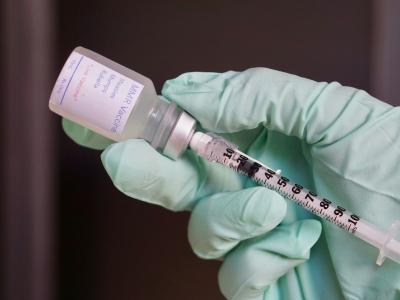
A new population-based study of more than 1.1 million adults in the United Kingdom found that receiving an influenza vaccine between ages 40 and 50 was not tied to a lower long-term risk of developing Parkinson’s disease (PD), but the data suggest a possible benefit in certain instances. The findings were published late last week in JAMA Network Open.
Researchers from McGill University in Canada and a German university used UK electronic health records to track participants from 1995 to 2023. The study matched 612,974 adults vaccinated against flu at midlife with 578,235 unvaccinated peers of the same age, sex, and socioeconomic background.
All participants had at least one year of medical history and five years of follow-up. The team excluded people with a previous PD diagnosis or who had received treatment for PD.
Overall, the researchers found no significant association between midlife flu vaccination and PD risk. Incidence rates were 0.16 cases per 1,000 person-years among vaccinated adults versus 0.10 per 1,000 person-years among unvaccinated adults.
2 patterns worthy of future study
Different bacteria, viruses, and fungi have been suggested as possible causative pathogens for PD, with influenza being one of the most prominent. A handful of observational studies have suggested that flu is associated with an increased risk of PD.
One study with a long follow-up found that influenza was associated with a 73% increased risk of PD 10 years after infection, which aligns with current evidence suggesting a long-term pathogenic process for PD.
Although the main analysis showed no association between influenza immunization at midlife and the overall risk of developing PD, the researchers identified two patterns that might warrant future research. First, the risk of PD declined modestly for several years following vaccination, reaching its lowest point (hazard ratio [HR], 0.75) about eight years after vaccination. However, the trend was not statistically significant.
Second, people vaccinated during influenza season had a lower point estimate for PD risk (HR, 0.62) than those vaccinated during the off-season (HR, 1.07) though, as with the modest decline in PD risk over eight years, the data were not statistically significant.
Nearly 30-year observation window
Study strengths include the very large sample size and nearly 30-year observation window (which allowed consideration of the long pathogenic process of PD).
Still, the authors note that, because the study is observational, there may be unmeasured factors that influenced the results, despite efforts to reduce bias. Misclassification of vaccine records and PD diagnoses may also be confounding factors.
Overall, the findings suggest midlife influenza vaccination does not reduce PD risk at the population level, though small protective effects in specific subgroups or at specific time intervals warrant further study.