The ninth known case of welder’s anthrax, and the first clinical use of the monoclonal antibody medication obiltoxaximab to treat it, was recently documented in Louisiana.
An account of the case, published in the most recent Morbidity and Mortality Weekly Report from the US Centers for Disease Control and Prevention (CDC), marks a significant development in the treatment of an often-fatal condition that can afflict metalworkers in the southern United States.
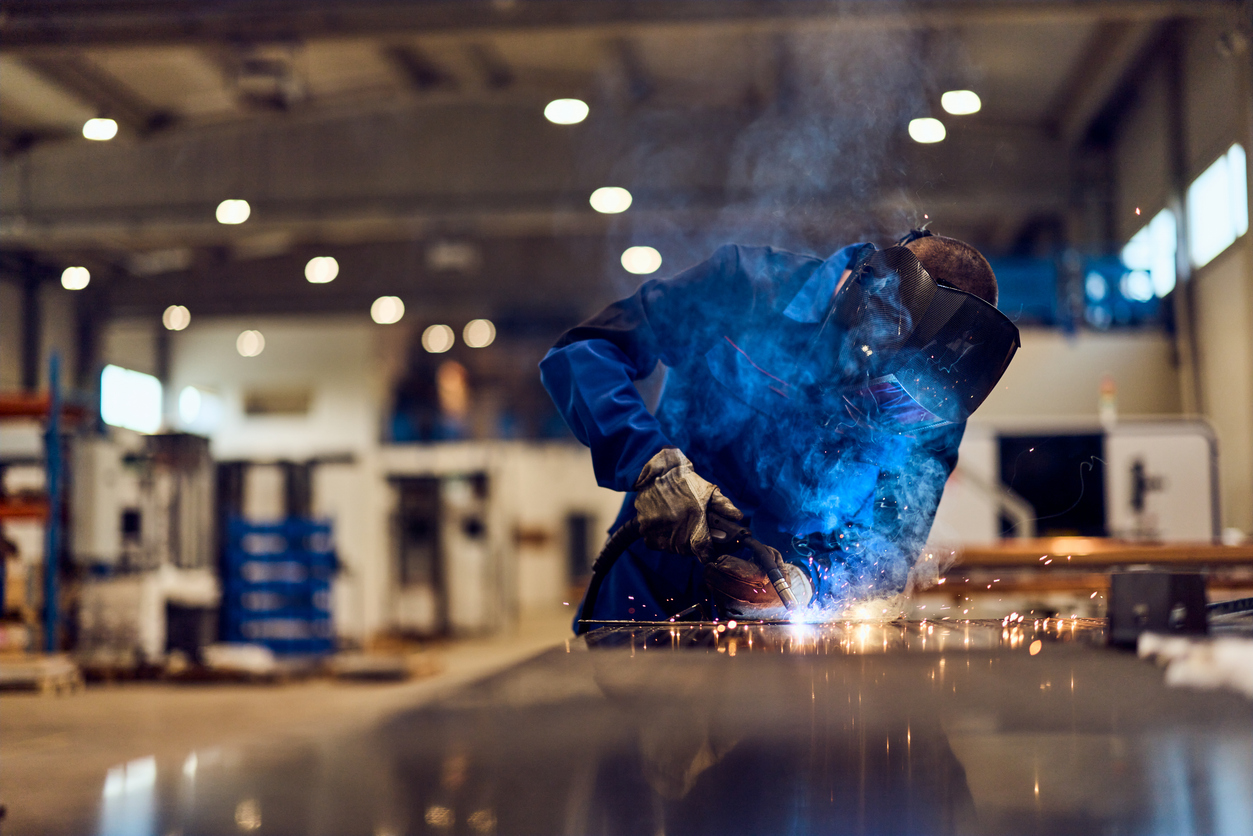
Welder’s anthrax is a type of pneumonia caused by anthrax toxin–producing Bacillus cereus bacteria, a pathogen closely related to Bacillus anthracis. Six of the previous eight documented US cases have been fatal. Risk factors are not well understood but likely include exposure to dust and welding fumes, poor ventilation, and minimal use of personal protective equipment (PPE).
Rapid improvement within days
In September 2024, an otherwise healthy 18-year-old welding apprentice in Louisiana developed severe pneumonia and respiratory failure requiring intubation and mechanical ventilation. The patient had worked as a welder for 6 months immediately preceding his illness and had no history of vaping, smoking, or excessive alcohol consumption.
The Louisiana Department of Health and the CDC confirmed the presence of anthrax toxin genes in the patient’s blood and in samples from the patient’s worksite.
The patient received treatment with the recommended multidrug antimicrobial therapy, drainage of a pleural effusion, and obiltoxaximab, which was sourced from the US Strategic National Stockpile and administered 34 hours after welder’s anthrax was suspected (approximately 1 week after symptom onset).
Within days, the patient showed rapid improvement, and mechanical ventilation was discontinued. He was discharged after 26 days; symptoms had resolved by 3-month follow-up. This case study underscores the potential benefits of antitoxin therapy alongside standard antimicrobial treatment for welder’s anthrax, the authors said.
“To help prevent infections, employers of welders and metalworkers can follow best practices to minimize workplace exposure to welding fumes and gases, as well as soil and dust exposure in worksite areas where the bacteria might be present,” the report notes. “Ongoing study and analysis of environmental, occupational, and host factors associated with welder’s anthrax are needed to identify causes that can guide development and implementation of definitive prevention and control measures.”