Death rates and demographic characteristics associated with H5N1avian flu infections have remained relatively stable, even in Egypt, where human cases surged dramatically more than a year ago, according to a study yesterday in The Lancet Infectious Diseases.
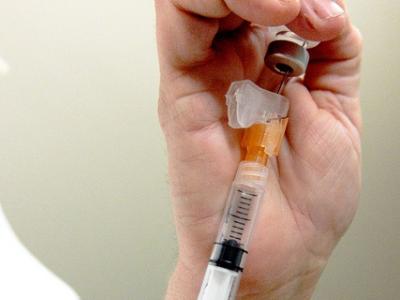
The performance of the seasonal influenza vaccine was exceptionally weak in the 2014-15 season, a failure that was attributed largely to its low effectiveness against a drifted strain of A/H3N2 virus that became dominant. Now, US researchers have reported clear genetic evidence that the drifted strain undermined vaccine effectiveness (VE).
Authorities have destroyed a flock of 39,000 turkeys on a farm in southwestern Missouri following the detection of a low-pathogenic H5N1 avian influenza virus in the birds, according to a report that US officials filed with the World Organization for animal Health (OIE) on May 2.
Infants born to women who received a flu vaccination during pregnancy were 81% less likely to be hospitalized with influenza during the first 6 months of life, according to a study today in Pediatrics.
An analysis of flu activity in tropical regions found eight zones that had similar patterns, which might be helpful for guiding flu vaccination timing and formulation, a team led by World Health Organization (WHO) experts reported yesterday in the Public Library of Science (PLoS) One.
Flu vaccine might produce a stronger immune response in older adults when administered in the morning versus the afternoon, according to a study published today in Vaccine.
Austrian researchers who studied samples from 533 children with lab-confirmed flu during the 2014-15 season found that 13 of them (2.4%) were infected by influenza A, then subsequently infected with influenza B after they had recovered.
The efficacy of the flu shot in 2007-08 waned over the season but remained high.
Protection for H3N2 was 33%, for B strains it was 54%, and for 2009 H1N1 it was 61%.
Two Ebola case-patients, both children, and one fatality in Liberia have been linked to a fatal Ebola infection in Guinea's ongoing flare-up, the World Health Organization (WHO) announced today, increasing the number of recent cases in Liberia to three.