CARB-X has announced funding for two projects exploring the use of less-invasive and quicker methods of diagnosing lower respiratory tract infections (LRTIs).
Both projects aim to simplify and accelerate diagnosis of LRTIs, which are a leading cause of death and illness worldwide and a contributing factor to inappropriate antibiotic use. Current methods of diagnosing LRTIs are complicated by the difficulty of acquiring sputum samples, which requires invasive procedures like bronchoscopy or deep suctioning.
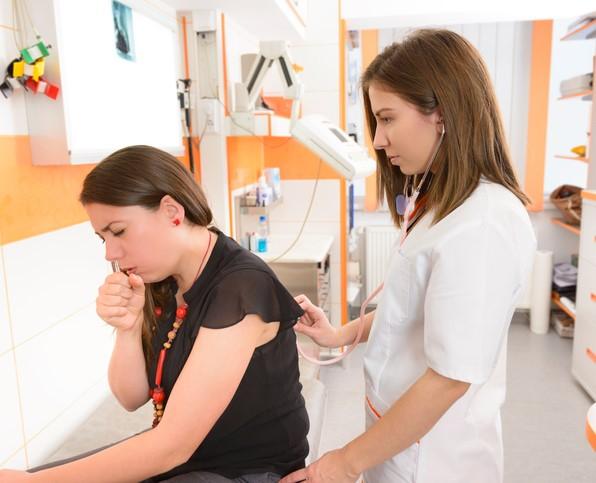
Paris-based Exhalon will receive $1 million to evaluate the potential of a non-invasive test that uses volatile organic compounds in exhaled breath to indicate the presence of an LRTI. The money will fund a clinical trial that will enroll patients with suspected LRTIs to identify the compounds that originate from a patient’s response to infection.
The hope is that the findings will aid development of a rapid diagnostic test that could be used in various clinical settings and improve disease management and outcomes.
“By turning a patient’s single breath into a diagnostic, we aim to demonstrate that the real time analysis of volatile organic compounds in exhaled breath can transform the management of respiratory infections, supporting faster, better-targeted decisions and strengthening antibiotic stewardship worldwide,” Stanislas Grassin Delyle, PharmD, principal investigator at Exhalon, said in a CARB-X (Combating Antibiotic-Resistant Bacteria Biopharmaceutical Accelerator) press release.
Blood samples for rapid pediatric LRTI detection
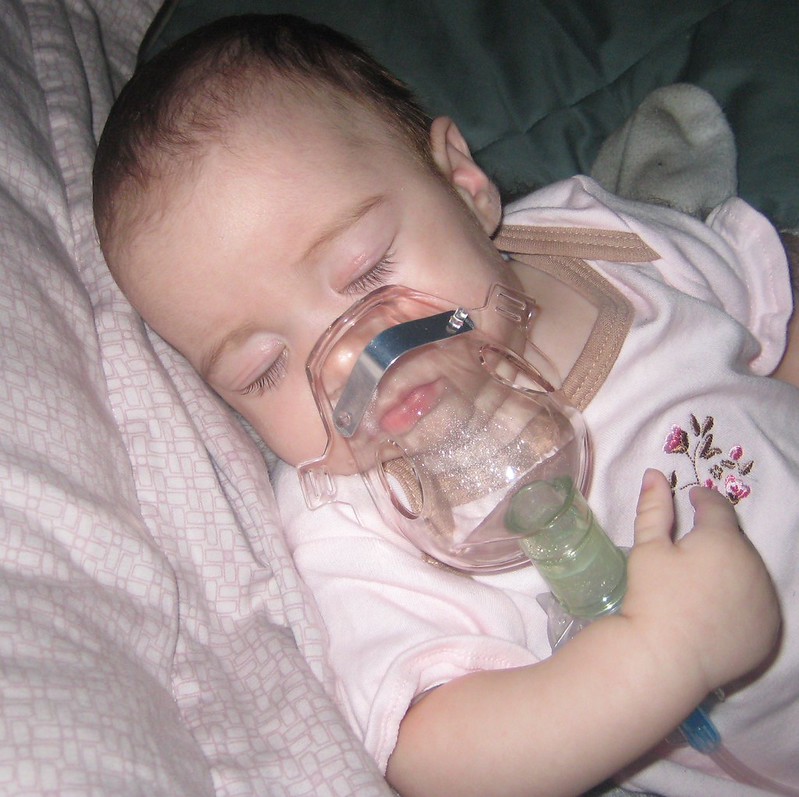
ProtonDx, based in London, will also receive $1 million to examine whether blood samples can be used to rapidly diagnose pediatric LRTIs. Working with researchers at Imperial College London, the company will evaluate RNA biomarkers of the body’s immune response to infection, with the aim of translating them into gene-based assays that can deliver quick results in emergency and remote-care settings.
“Rapid, reliable diagnostics are essential to ensuring that children with lower-respiratory tract infections receive the right treatment quickly, while also helping to reduce the misuse of antibiotics,” said Richard Alm, PhD, interim chief of research and development at CARB-X.
Novel sample types for diagnosing LRTIs are a focus of CARB-X’s recent funding round. Since 2016, CARB-X has funded 121 projects designed to prevent, treat, and diagnose antibiotic-resistant infections.