An overview of hospital-based bacterial and fungal outbreaks worldwide during the COVID-19 pandemic underscores the strain placed that was place on infection prevention and control (IPC) programs, researchers reported this week in the American Journal of Infection Control.
In a systematic review and meta-analysis of 25 studies conducted in university and tertiary hospitals in 13 countries, researchers from Koc University in Istanbul identified 619 outbreak-related cases of bacterial and fungal infections reported from January 2020 through March 2024. The authors note that while several studies have examined the rise in healthcare-associated infections during the pandemic, fewer have examined unexpected outbreaks attributable to specific bacterial and fungal pathogens.
“Existing reviews have mostly addressed antimicrobial resistance trends or secondary infections during the pandemic but have not examined outbreak dynamics or variations across settings and time periods,” they wrote.
Death rates higher during pandemic
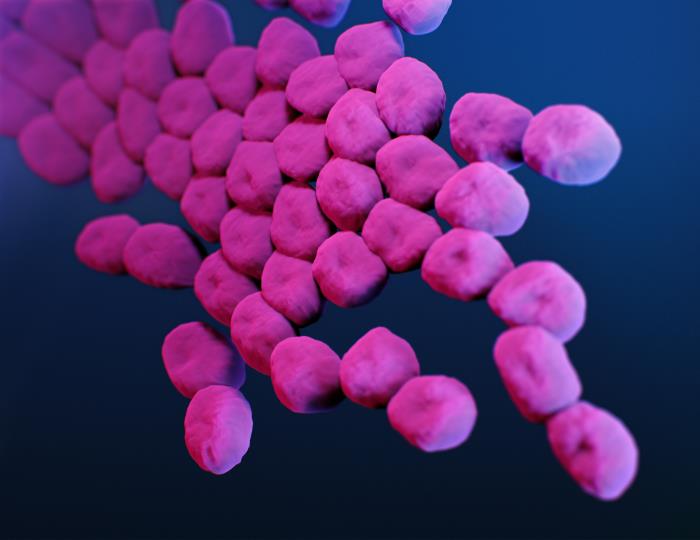
Among the identified outbreaks, the most frequently reported pathogens were Acinetobacter baumannii, Candida auris, and Klebsiella pneumoniae, which combined accounted for 95% of all outbreak-related cases. The pooled case-fatality rates for the three pathogens (A baumannii, 59%; C auris, 52%; K pneumoniae, 48%) all exceeded values reported in pre-pandemic studies, the authors said. Approximately two-thirds of outbreak-related cases subjected to antibiotic susceptibility testing contained multidrug-resistant (MDR) isolates.
Outbreaks were most frequently reported in hospitals in Brazil, Qatar, South Korea, Turkey, and the United States. The media duration of outbreaks was nearly six months. Commonly reported contributing factors included staff shortages, insufficient IPC training, and inconsistent environmental cleaning or disinfection practices.
“To prevent secondary hospital outbreaks of MDR in the future, IPC programs should be strengthened with increased staff awareness, sustainable environmental hygiene, and antimicrobial stewardship interventions,” the study authors wrote. “These findings should be incorporated into pandemic preparedness frameworks and implemented through multidisciplinary audits to ensure sustainability.”