More animals die from H5N1 avian flu at Ano Nuevo State Park in California

News brief
seal
Tim Sackton / Flickr cc

California officials have confirmed that nine more elephant seals, a sea lion, and an otter have died from avian flu H5N1 at Ano Nuevo State Park in San Mateo County.

“As you probably imagine, this count reflects only the animals that have gone through sampling and confirmatory testing in multiple labs,” Christine Johnson, VMD, PhD, director of the Institute for Pandemic Insights at University of California, Davis told local media. “So there are likely more animals that we will be updating on in the coming weeks.”

There are likely more animals that we will be updating on in the coming weeks

So far, 16 elephant seals have died due to H5N1, in addition to the otter and sea lion. The outbreak, which started at the end of last month, marked the first H5N1 detection in marine mammals in California and was discovered when seals at the state park were observed with abnormal respirations, tremors, and neurologic symptoms. 

Seal tours remain closed 

The park has closed the sea-viewing areas to visitors, many of whom visit the area to see the 5,000 seals who migrate to Ano Neuvo State Park during the winter breeding season. Officials said they were encouraged because roughly 80% of the adult female seal population had migrated away from Ano Nuevo prior to the outbreak.

Previously, H5N1 decimated large swaths of Argentina’s southern elephant seals in 2023. The virus also killed a number of northern fur seals on Tyuleniy Island in Russia's Sea of Okhotsk in 2023. 

South Carolina measles outbreak reaches 997 cases

News brief
measles face
LeventKonuk / iStock

The South Carolina measles outbreak stands at 997 cases after just one new case was reported in recent days, suggesting the outbreak may be nearing containment. 

The outbreak began in the Upstate region last October, and was linked to several private schools with low vaccination rates among the student body. Cases mounted and then soared over the holidays, with multiple exposures at churches noted.

Officials said there are currently eight people in quarantine and none in isolation, the lowest numbers recorded since the outbreak began. The latest end of quarantine for these is April 2.

Of the 997 cases, 639 are among children ages 5 to 17 years, and 263 and in those are under the age of 5 years. Only 87 infections have been in adults, and eight are unknown. The vast majority case-patients (932 [94%]) are unvaccinated, and 20 are partially vaccinated with one dose of measles-containing vaccine. Twenty are fully vaccinated, and 19 have unknown vaccination status. 

So far the United States has tracked 1,362 measles cases since January 1, putting the nation on track for a record-setting year. 

Colorado, North Dakota report new cases 

Measles cases are being reported in 30 states across the country. In Colorado, one new case raises the state total this year to 11, nine of which were confirmed this month.

North Dakota is reporting 26 cases so far this year, including four requiring hospitalization. Three of the cases are new. Until last year, the state had not seen any measles activity since 2011. Eighteen of the 26 confirmed case-patients were unvaccinated, but six were fully vaccinated. 

Twenty-three cases have been confirmed in Pembina County, with one case each in Williams, Walsh and Traill counties.

Missed opportunity: 12% of teens at health system weren’t HPV-vaccinated before being sexually active

News brief
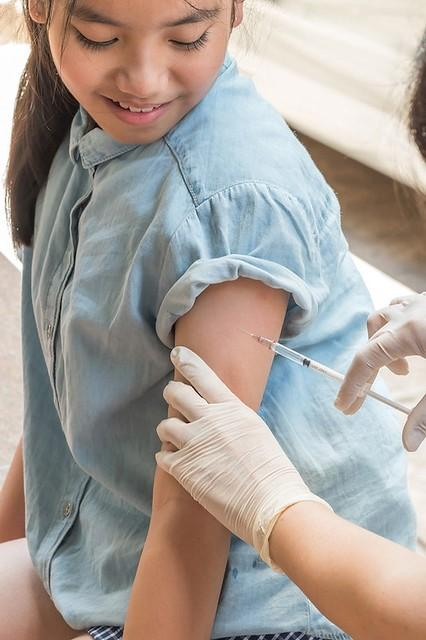
Girl being vaccinated
Penn State / Flickr cc

research letter published yesterday in JAMA Pediatrics suggests that while most teens seen in Children’s Hospital of Philadelphia (CHOP) primary care clinics completed the human papillomavirus (HPV) vaccine series before becoming sexually active, 12% had not received any doses, representing a missed opportunity for cancer prevention. 

The researchers analyzed the electronic health records (EHR) from 9,491 patients aged 13 to 18 years seen at 31 CHOP-affiliated primary care practices from September 2023 to September 2025. The teens had reported sexual activity on the Adolescent Health Questionnaire.

The average patient age was 17.0 years, 47% were girls, 40% were Black, 40% were White, 9% were Hispanic, 11% were another race, 44% were Medicaid-insured, and 33% lived in very low Child Opportunity Index neighborhoods.

Starting series at age 9 reduced unvaccination rates

In total, 79% of teens had completed the HPV vaccine series before becoming sexually active, 12% hadn’t received any dose, and 9% had started but not completed the series. Of patients who were unvaccinated before starting sexual activity, 70% were never vaccinated, 23% later initiated the series, and 7% completed the series after becoming sexually active. Unvaccinated teens were disproportionately White (49%) and commercially insured (59%).

Given that all adolescents had recent primary care visits, family acceptance of vaccination, physician recommendation practices, and clinic workflows, rather than health care access, likely drive missed opportunities.

Clinic-level pre-sex vaccination rates ranged from 5% to 47%. Greater neighborhood opportunity, commercial insurance, and longer distance from the main hospital were linked to an increased likelihood of not being vaccinated before initiation of sexual activity. Clinics that more often initiated HPV vaccination at age nine had lower unvaccination rates (−0.89%).

“Given that all adolescents had recent primary care visits, family acceptance of vaccination, physician recommendation practices, and clinic workflows, rather than health care access, likely drive missed opportunities,” the study authors wrote.

The finding of higher vaccine uptake in clinics that more often started HPV vaccination earlier in life supports offering HPV vaccination at age nine or 10. “Additional strategies to routinize HPV vaccination and reduce variation should include presumptive communication, staff training, and workflow redesign,” they wrote. 

Shingles vaccine tied to half the risk of cardiac events in older adults with heart disease

News brief
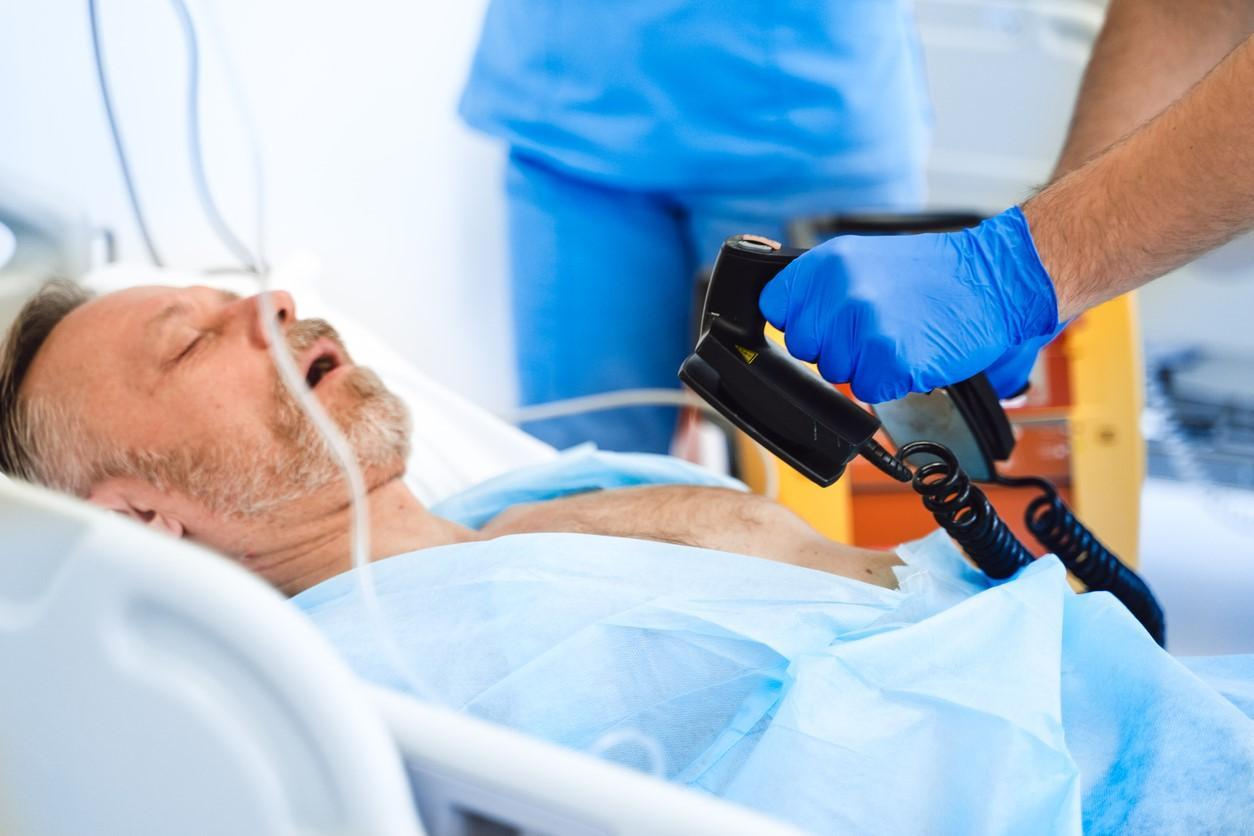
Man having cardiac arrest
Vadym Terelyuk / iStock

Shingles vaccination may halve the one-year risk of serious cardiac events among older adults who have heart disease, adding to accumulating evidence that the vaccine may protect against health conditions in addition to shingles (herpes zoster), University of California researchers say.

The study findings will be presented at the upcoming American College of Cardiology’s Annual Scientific Session in New Orleans. 

Previous studies have suggested that shingles can lead to the formation of blood clots around the brain and heart, posing a risk of heart attacks, strokes, and venous blood clots. Preventing shingles infection through vaccination is believed to prevent these clots.

Risk reduction on par with quitting smoking

The investigators analyzed electronic health record data from 246,822 US adults aged 50 years and older diagnosed as having atherosclerotic heart disease (plaque buildup in the arteries) from 2018 to 2025. Participants were 123,411 people who had received at least one dose of either the Shingrix or Zostavax shingles vaccine and the same number of unvaccinated controls.

This vaccine has been found over and over again to have cardioprotective effects for reducing heart attack, stroke and death.

Robert Nguyen, MD

From one month to one year after shingles vaccination (or the same period for unvaccinated adults), vaccinated participants were at lower risk for any major adverse cardiac event (46% lower risk), death from any cause (66%), heart attack (32%), stroke (25%), and heart failure (25%). The risk reductions were on par with what would be expected from quitting smoking.

“This vaccine has been found over and over again to have cardioprotective effects for reducing heart attack, stroke and death,” lead author Robert Nguyen, MD, said in the news release.  “Looking at the highest risk population, those with existing cardiovascular disease, these protective effects might be even greater than among the general public.”

The Centers for Disease Control and Prevention (CDC) recommends the shingles vaccine for all adults aged 50 and older and younger adults with weakened immune systems. Caused by reactivation of the chickenpox virus, shingles is characterized by a painful rash and can lead to persistent nerve pain.

This week's top reads

Our underwriters