During the COVID-19 pandemic, US adults who received hemodialysis at outpatient centers had higher rates of SARS-CoV-2 infection than those receiving treatments at home, especially during case surges, suggests a study published in Infection Control & Hospital Epidemiology.
Investigators from the Centers for Disease Control and Prevention (CDC) examined rates of COVID-19 among patients at 7,974 dialysis facilities from January 2021 to May 2023 (Alpha-to-Omicron variant dominance). In 2021, 14.1% of US dialysis patients received at-home treatment.
Proximity to other patients, staff
COVID-19 infections totaled 171,338 (155,499 in-center and 15,839 home dialysis cases). The pooled average infection rate was highest during “[Alpha] B.1 and other” variant predominance (6.20 and 3.40 per 1,000 patient-weeks for in-center and home patients, respectively) and lowest during non-surge weeks (1.15 and 0.74 per 1,000 patient-weeks for in-center and home patients, respectively).
Ensuring patients receive education on the different dialysis modalities is critical to ensure they are able to make well-informed decisions regarding which modality is best for their lifestyle and health goals.
In-center hemodialysis patients had higher average infection rates than home dialysis patients (2.85 vs 1.69 per 1,000 patient-weeks, respectively).
During surges, the differences in case rates between in-center and home patients were more apparent than during non-surge weeks for all variant-dominated periods: B.1 and other (RRR, 1.11), Delta (relative rate ratio [RRR], 1.20), and Omicron (RRR, 1.07).
“Ensuring patients receive education on the different dialysis modalities is critical to ensure they are able to make well-informed decisions regarding which modality is best for their lifestyle and health goals,” the study authors wrote. “One potential benefit of home dialysis that could be discussed with patients is reduced exposure to communicable diseases.”
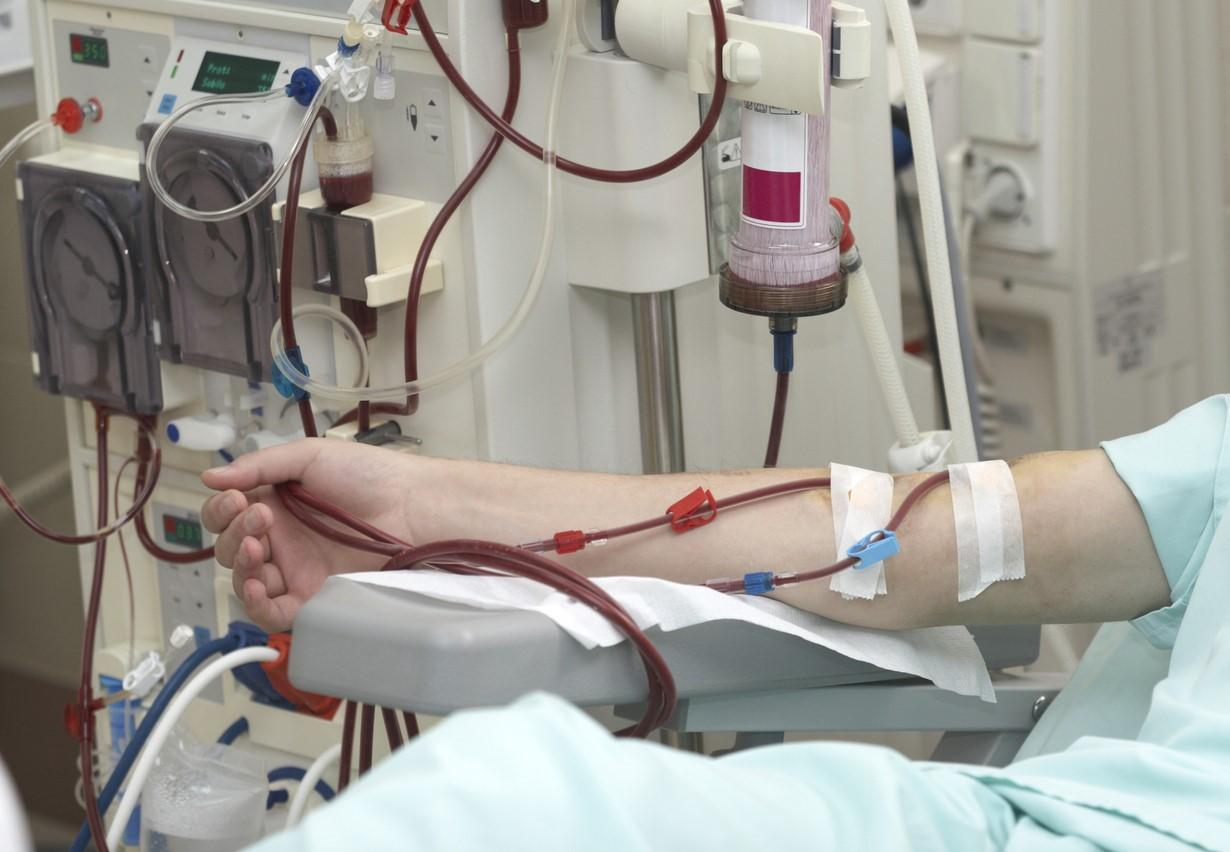
The differences in rates between in-center and home dialysis are likely due to several factors. “Patients receiving hemodialysis in outpatient centers spend hours in close proximity to other patients and facility staff members during treatment sessions,” the researchers wrote. “Social distancing may also be difficult for patients who rely on shared transportation to visit dialysis facilities.”
_0.jpg)