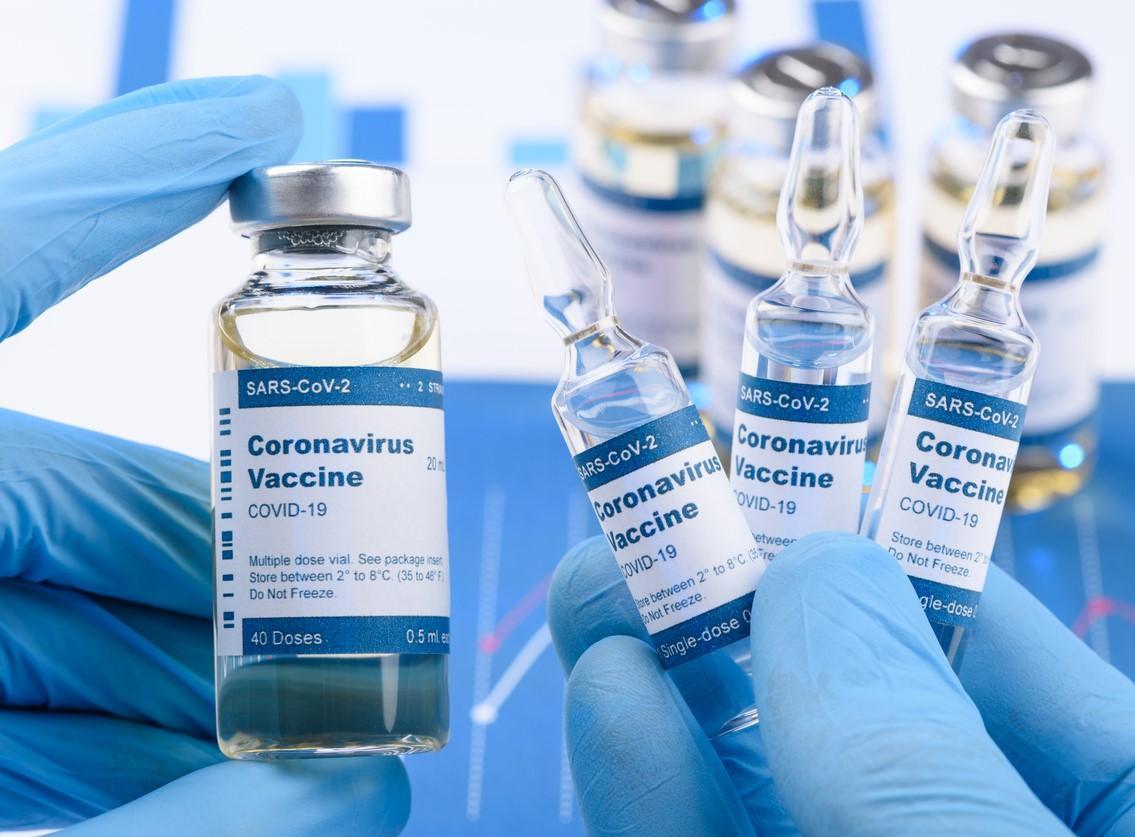
COVID-19 vaccination and boosting appeared to play an important role in protecting cancer patients against long COVID during the Omicron wave, researchers reported yesterday in JAMA Network Open.
In a retrospective cohort study that involved more than 76,000 cancer patients with high rates of vaccination and boosting in Singapore, a team led by researchers from Singapore’s Communicable Diseases Agency and Singapore General Hospital assessed the risk of long-COVID diagnosis and of symptoms compatible with long COVID among those infected with SARS-CoV-2 from January 1 through December 31, 2022, when the Omicron variant was prevalent. They compared the risk against noninfected cancer patients.
While research suggests immunocompromised cancer patients have a higher risk of long COVID than non-immunocompromised people do, previous studies reporting long-COVID sequelae in cancer patients were conducted primarily during pre-vaccination pandemic waves, the study authors noted.
“Emergence of milder Omicron variants and widespread vaccination may have altered long COVID risk,” they wrote.
No significant difference between infected, non-infected patients
Among the 76,807 patients in the study, 39,256 had SARS-CoV-2 infection and 37,551 were noninfected. The vast majority (93.2%) of all patients in the study had received booster doses of COVID-19 vaccines. No significant difference in long-COVID diagnosis or compatible symptoms was observed between infected and non-infected patients.
Although cancer patients who were hospitalized for COVID had a 36% higher risk of long-COVID diagnosis and a 48% higher risk of long COVID–compatible symptoms than non-infected patients, the overall incidence was modest, the authors noted, and the risks did not differ significantly from those associated with seasonal flu hospitalizations.
“These findings suggest that COVID-19 vaccination and boosting remain important in mitigating long COVID risk among immunocompromised patients with cancer during endemicity,” the authors concluded.