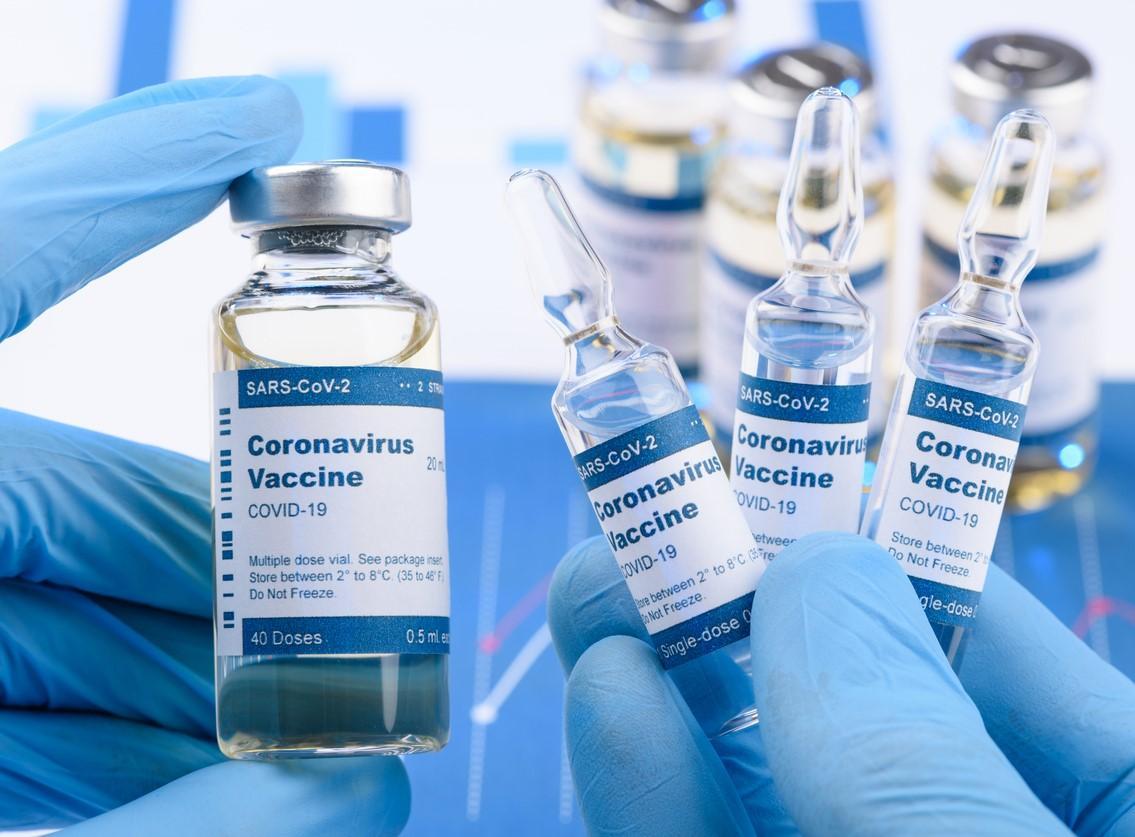
A large national cohort study from France didn’t observe any increase in all-cause mortality in adults up to four years after receipt of a COVID mRNA vaccine, and vaccination was linked to a 74% lower risk of death from severe COVID-19 and a 25% lower risk of death from any cause.
The study, published last week in JAMA Network Open, is the first population-based study to look at differences in all-cause mortality between people who did and did not receive COVID vaccines 4 years after their first dose. It’s also the first study to examine long-term mortality among young people who are less likely to experience severe disease, according to the authors.
Researchers analyzed data from the French National Health Data System, identifying more than 28 million adults ages 18 to 59 who were alive on Nov 1, 2021. Of these, 22.7 million had received at least one mRNA dose from May to October 2021, while 5.9 million remained unvaccinated. The follow-up period extended through March 31, 2025, which provided a median of 45 months (almost four years) of observation.
After weighting for demographic factors and 41 underlying health conditions, the researchers found that vaccinated adults had a 74% lower risk of death from severe COVID and a 25% lower risk of all-cause mortality.
Further analysis showed that vaccinated people consistently had a lower risk of death, regardless of the cause. Mortality was 29% lower within 6 months for vaccinated adults.
Low rate of serious complications
By early 2025, COVID-19 had caused more than 7 million deaths worldwide and erased years of gains in life expectancy. Studies consistently show that countries with higher vaccination levels have lower overall death rates. This study helps reinforce evidence that COVID vaccines have prevented millions of deaths.
While rare cases of myocarditis (inflammation of heart muscle), anaphylaxis (severe allergic reaction), and transverse myelitis (spinal cord inflammation) have been observed in vaccinated people, research has found no elevated risk for major cardiovascular events, and serious adverse events following mRNA vaccination remain uncommon. Overwhelmingly, the data point to strong protection from mRNA COVID vaccination and a low rate of serious complications.
The authors noted that some of the protection associated with the vaccine may reflect confounding factors, such as healthier people being more likely to get vaccinated and underreporting of deaths related to undiagnosed COVID infections. But even when the team adjusted for unmeasured confounders, they found a roughly 20% reduction in 4-year mortality in the vaccinated group.
The investigators emphasized that the data show no evidence of increased long-term mortality linked to mRNA vaccination. “A causal link between mRNA vaccination and excess long-term mortality appears highly unlikely,” they concluded.